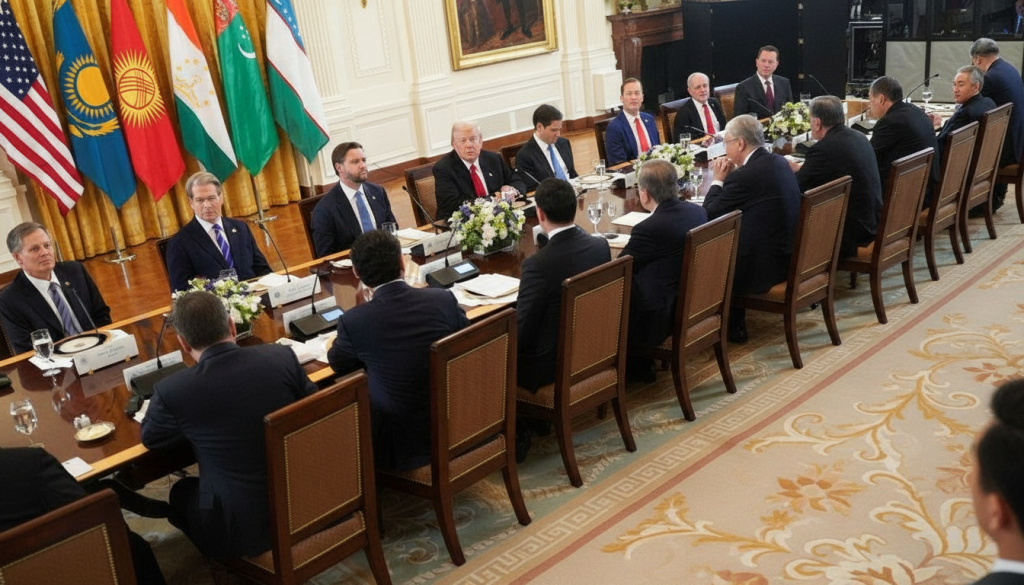
The C5+1 summit held in Washington on November 6, 2025, marks a new chapter in U.S.–Central Asia relations, shifting the focus from energy pipelines to strategic mineral resources. Rare earth elements are now central to Washington’s strategy against China, which dominates mining and processing globally.
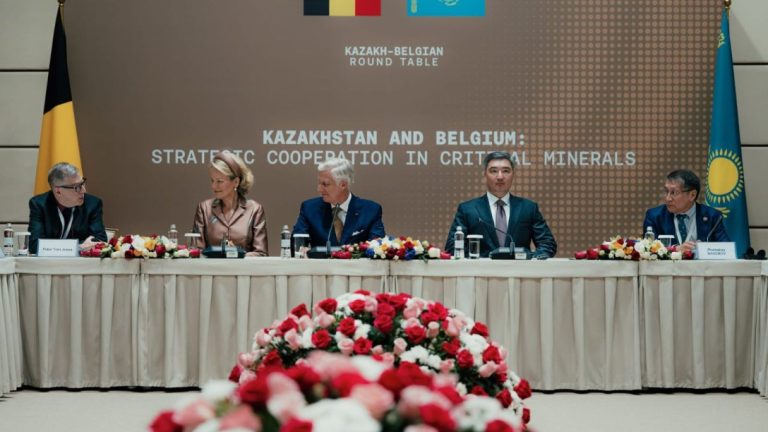
Recent agreements—highlighted by substantial investments in Kazakhstan’s tungsten mines and commitments to Uzbekistan—illustrate a strategy that blends economic aims with national security, defense modernization, and leadership in green technologies. By partnering with Kazakhstan, Uzbekistan, and Turkmenistan, the U.S. seeks to counter China’s and Russia’s longstanding influence, establishing a “new resource-centered” framework for engagement. Rare earths are becoming tools of strategic power, supplanting traditional energy diplomacy and strengthening supply chains for renewable energy.
This shift extends beyond resource access; mining investments are shaping political, economic, and diplomatic orientations across Central Asia, challenging China’s Belt and Road Initiative through economic means. The U.S. approach converts energy diplomacy into “mining diplomacy,” turning Central Asia into a global geo-economic crossroads.
America’s renewed focus reflects a broader repositioning—building “strategic balancing” structures rather than pursuing mere economic or military dominance. The C5+1 format has become the central mechanism for promoting a model of regional integration that excludes Russia and China, offering a “third way” rooted in soft power, sustainable development, and technological partnerships.
Strengthening transport routes like the Trans-Caspian corridor aims to liberate Central Asia from Russia’s logistical grip and curtail China’s influence over the Middle Corridor. Moscow and Beijing view these moves as containment strategies, intensifying geopolitical competition while granting Central Asian states greater autonomy through multilateral diplomacy.
Ultimately, America’s strategy is about establishing a new Eurasian power architecture. Its success will depend on delivering sustainable investments and on Central Asian states maintaining independent balancing acts amid great-power competition.