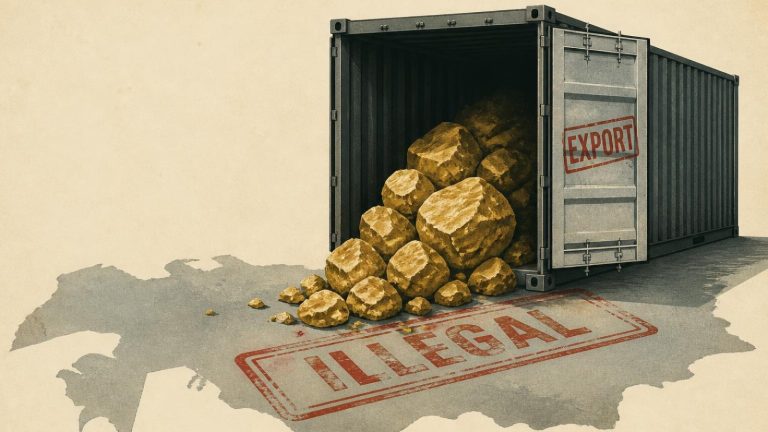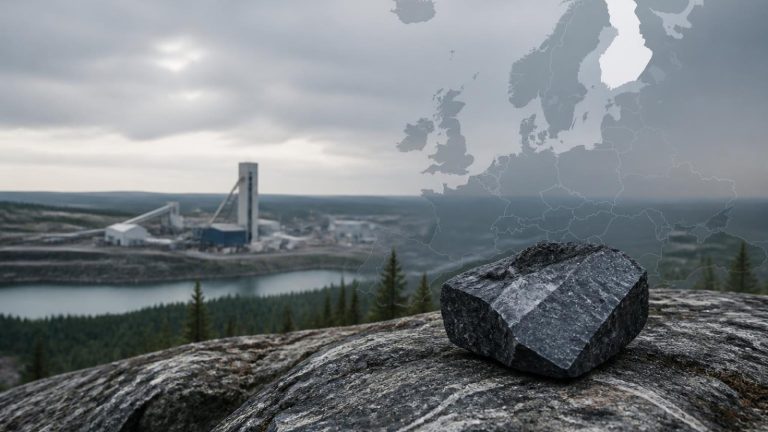
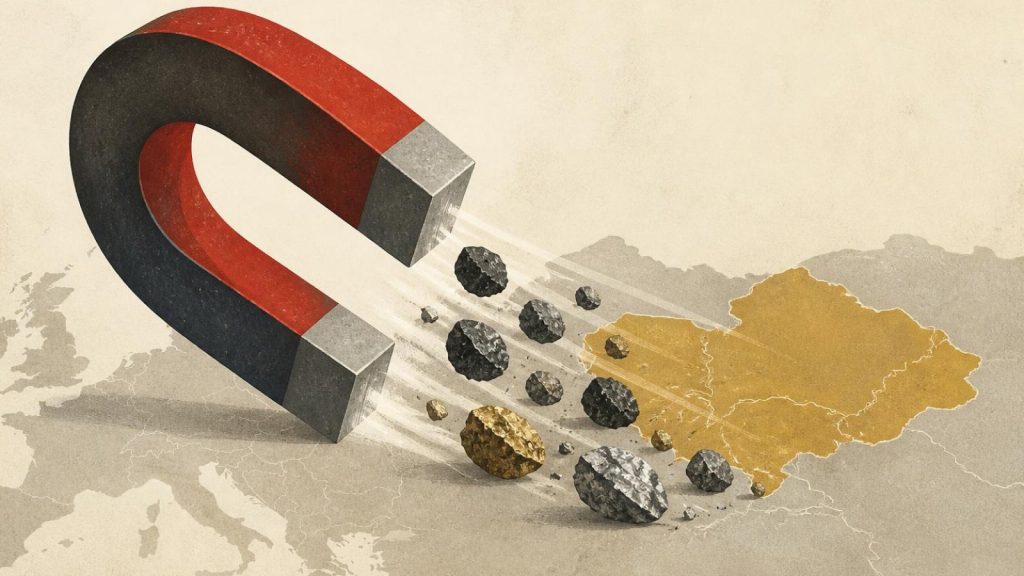
European institutions and government-backed companies are intensifying their efforts to forge closer ties with Central Asia regarding critical minerals, as regional producers seek foreign capital and advanced technology to enhance domestic processing capabilities. An OECD report published on 29 October highlights the significant yet largely untapped potential of critical minerals in Central Asia. The report emphasizes that attracting investment will necessitate improved geological information, clearer legislative frameworks, stronger environmental oversight, and enhanced transparency. It also points out challenges such as state dominance, inconsistent community consultation, and legacy waste that hinder progress in the region.
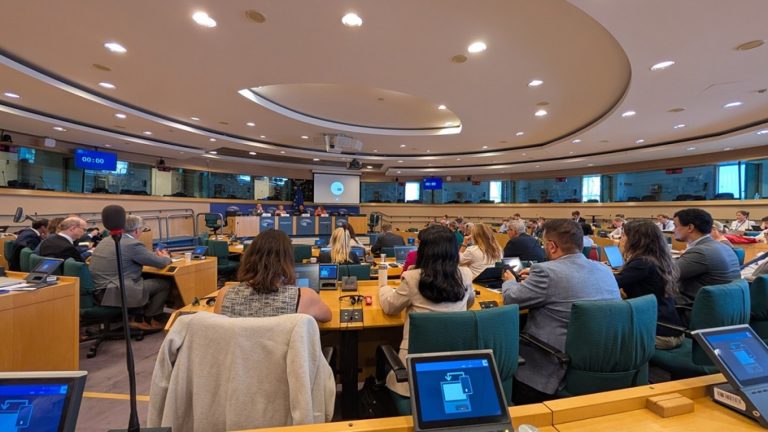
The findings come at a time when European industries are actively seeking alternatives to concentrated mineral supply chains, while countries like Kazakhstan and Uzbekistan are keen on retaining more processing and manufacturing activities within their borders. Recent discussions at a mining forum in Tashkent focused on European investment, technology transfer, and the establishment of transport links that would connect Central Asia with Western markets.
Commercial interest in the region is on the rise, with commodity trader Traxys opening an office in Tashkent earlier this year to explore sourcing opportunities across Uzbekistan, Kazakhstan, Tajikistan, and Kyrgyzstan. In terms of investment frameworks, a memorandum of understanding was signed in October between the German government-owned SEFE and Kazakh Invest to create a joint investment platform aimed at critical minerals and metallurgy projects in Kazakhstan. This platform is designed to bolster local processing and link prospective projects with European markets, although specific project details, investment amounts, or development timelines have yet to be disclosed.
Furthermore, Kazakh and EU officials convened on 21 October to discuss advancing proposed projects through the European Commission’s Global Gateway Investment Hub, although no new mineral financing was announced during this meeting. In Uzbekistan, the state-owned Technological Metals Complex (TMK) signed a preliminary term sheet with Société Générale on 16 October for potential pre-export financing, following a previous agreement aimed at arranging €50 million ($80 million) for production capacity and exports. TMK, which specializes in tungsten and molybdenum products, is also looking for European partners to participate in additional processing and manufacturing initiatives.
The European Union has established critical raw materials partnerships with Kazakhstan in 2022 and Uzbekistan in 2024, and the latest agreements indicate progress towards implementation, although most remain at a preliminary stage without committed project-level funding. As the demand for critical minerals continues to grow, the collaboration between Europe and Central Asia could play a pivotal role in shaping the future of the mining industry in the region.