Tag: sustainability

  • Kazakhstan Takes the Lead in Global Sustainability Efforts

    Kazakhstan Takes the Lead in Global Sustainability Efforts

    Kassym-Jomart Tokayev, President of Kazakhstan, participated in the inauguration of Abu Dhabi Sustainability Week, highlighting a bold new development paradigm during his speech on 14 January. The president emphasized Kazakhstan’s commitment to addressing global climate challenges, including desertification, biodiversity loss, water scarcity, and food insecurity.

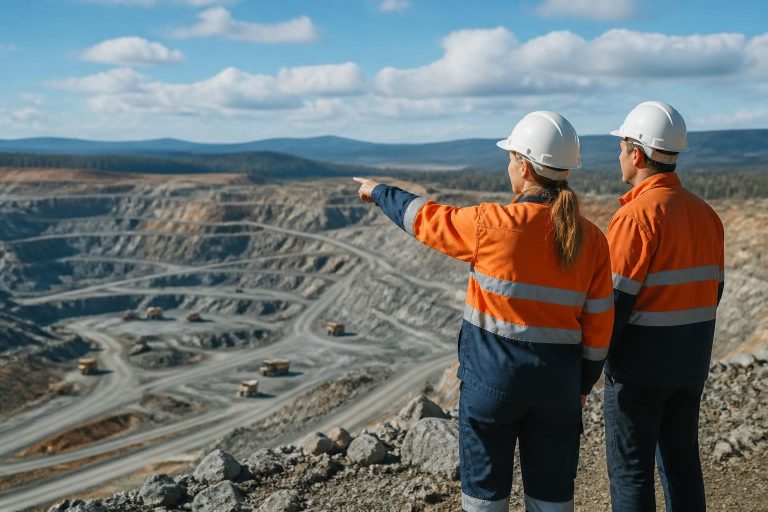
    As 2025 unfolds, Kazakhstan is actively aligning with European climate standards, implementing both national and international policies to combat global warming. Tokayev underscored Kazakhstan’s strategic importance, with its critical raw materials essential for the global energy transition. These materials include chrome, lead, zinc, and uranium, vital for achieving net-zero greenhouse gas emissions.

    Kazakhstan is also advancing its renewable energy sector, with 148 active projects totaling 2.9 GW of capacity and ambitious plans for 26 GW by 2035. Notably, companies have committed to 43 GW of green energy projects, supporting Kazakhstan’s goal of carbon neutrality by 2060. The country is exploring nuclear energy, with plans for its first nuclear power plant, and boasts one of the largest wind farms near its capital.

    President Tokayev also addressed environmental priorities, such as biodiversity conservation and reviving the Aral Sea. Additionally, Kazakhstan is positioning itself as a critical transport hub, connecting Asia and Europe via the Trans-Caspian Middle Corridor.

    With growing vulnerability to climate change in Central Asia, Kazakhstan is advancing policies to protect ecosystems and promote international cooperation. Tokayev’s leadership signals a proactive approach to renewables, food security, and climate resilience.

  • EU Highlights Recycled Materials in Push for Sustainability

    EU Highlights Recycled Materials in Push for Sustainability

    The European Union is intensifying efforts to integrate recycled raw materials into its sustainability strategy, addressing critical challenges in the supply chain for green technologies. Environment Commissioner Jessika Roswall highlighted the underutilization of secondary materials like lithium, cobalt, and copper, which are crucial for the EU’s transition to climate neutrality by 2050.

    The EU’s Critical Raw Materials Act, introduced in 2023, targets 40% domestic production of strategic raw materials by 2030, complemented by streamlined mining permits and high environmental standards. This initiative aims to reduce dependence on China and the U.S. while boosting the EU’s resilience.

    Complementing this, the Clean Industrial Deal—slated for February 26—will outline financial incentives, trade agreements, and measures to curb unfair competition. Proposals include pooling resources and creating platforms for collective purchasing of essential materials. Businesses are pressing for immediate action to secure a sustainable future and maintain global competitiveness.

  • BASF and Vulcan Partner to Harness Geothermal Energy and Produce Green Lithium

    BASF and Vulcan Partner to Harness Geothermal Energy and Produce Green Lithium

    BASF and Vulcan Energie Ressourcen GmbH have signed a Memorandum of Understanding (MoU) to explore the use of geothermal energy at BASF’s Ludwigshafen site, aiming to provide CO2-free steam and support energy transformation efforts in the Rhine-Neckar Metropolitan Region. The agreement was signed in the presence of Daniela Schmitt, Rhineland-Palatinate’s Minister of Economic Affairs, Transport, Agriculture, and Viniculture.

    The project will tap into deep geothermal energy from the Upper Rhine Graben, which has significant potential for renewable energy. If successful, it could produce up to 300 MW of thermal energy, generating 4 million tons of steam annually and cutting 800,000 tons of CO2 emissions at BASF’s largest site. This renewable heat could also benefit nearby urban centers, such as Ludwigshafen and Frankenthal, for district heating.

    Additionally, Vulcan plans to build a lithium extraction plant at Ludwigshafen, leveraging the geothermal brine to produce sustainable lithium-ion batteries for industries like automotive and electronics. The collaboration highlights innovative integration of renewable energy and resource extraction technologies.

    “This project showcases the transformative potential of deep geothermal energy for industrial sites, cities, and entire regions,” said Uwe Liebelt, President of European Verbund Sites at BASF. He emphasized the importance of partnerships between the public and private sectors to drive the energy transition. Vulcan’s Thorsten Weimann and Cris Morenoechoed the environmental and economic benefits of combining geothermal energy with lithium production.

    Exploratory seismic surveys in the Upper Rhine Graben are set to begin in early 2025, led by Vulcan, to assess geothermal conditions and refine technical plans.

  • Europe’s Lithium Dilemma: Balancing Green Goals with Environmental Impact

    Europe’s Lithium Dilemma: Balancing Green Goals with Environmental Impact

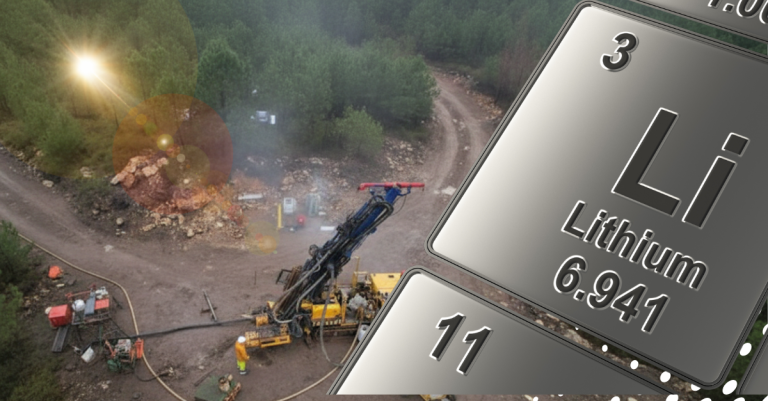
    As the European Union ramps up efforts to achieve net-zero emissions, lithium has emerged as a critical mineral in the production of electric vehicle batteries. With significant mining projects underway in countries like Serbia, Portugal, Spain, and France, Europe is looking to secure its supply chain for this vital resource. However, the push for increased lithium production is sparking debate, particularly regarding the environmental toll.

    While lithium is essential for the EU’s green transition, experts are increasingly voicing concerns over the ecological impacts of mining. These include potential water pollution, biodiversity loss, and the increased carbon emissions that could accompany intensified mining operations. The question now being asked is: can Europe truly meet its ambitious climate goals without causing significant harm to its environment?

    In this episode, host Giada Santana delves into these complexities with Energy and Environment reporter Nathan Canas. They explore the broader implications of Europe’s lithium boom, the environmental challenges it poses, and whether sustainable mining practices can be scaled to meet the EU’s ambitious climate targets.

    Join us for a nuanced discussion on Europe’s path toward sustainability and the difficult choices it faces as it navigates the green transition.

  • UN Expert Panel Issues Guidelines for Just and Equitable Energy Transition

    UN Expert Panel Issues Guidelines for Just and Equitable Energy Transition

    A United Nations panel of experts has published a comprehensive set of recommendations and guidelines for governments and mining companies aimed at safeguarding human rights, justice, and equity during the global race for energy transition minerals. The report, titled Resourcing the Energy Transition: Principles to Guide Critical Energy Transition Minerals towards Equity and Justice, outlines ways to ensure that the shift to renewable energy promotes sustainable development, protects the environment, and fosters prosperity in resource-rich developing nations.

    UN Secretary-General António Guterres, who convened the panel in April, emphasized that the report acts as a “how-to guide” for generating both prosperity and equality alongside clean energy, noting the critical timing as demand for minerals is projected to nearly triple by 2030. Among the panel’s key proposals are the establishment of a UN expert advisory group to facilitate policy dialogue on mineral value chains, a global transparency and accountability framework, and the creation of a fund to address issues stemming from abandoned or derelict mines.

    The report also highlights the need to empower artisanal and small-scale miners as agents of change, promoting environmental protection and human rights. It stresses the importance of enhancing material efficiency and supporting the role of the UN as a neutral convener in achieving the goals of the Paris Agreement. The Secretary-General has instructed the panel to present its findings to member states and other stakeholders ahead of the COP29 conference later this year.

  • Norge Mining Advances with Eigersund Project After Government Fast-Track Approval

    Norge Mining Advances with Eigersund Project After Government Fast-Track Approval

    Norge Mining has received fast-track approval from the Norwegian government for critical mineral extraction and has confirmed the viability of its most advanced mining initiative with a newly delivered pre-feasibility study (PFS). This study focuses on the first of three zones at the Eigersund project, which represents the initial phase of the Anglo-Norwegian firm’s mining plans.

    The Eigersund project is located within the Storeknuten licence area, which constitutes just 5% of the company’s total 520 sq. km exploration area. The mineral resource estimate stands at 3.4 billion tonnes across all categories, supporting at least 30 years of mining. The Storeknuten area alone contains nearly 1 billion indicated tonnes with grades of 1.73% P2O5, 4.83% TiO2, 0.07% V2O5, and 3.41% Fe3O4, according to a recent JORC resource statement by SRK.

    The PFS assigns a net present value of $2.01 billion to this zone, with expectations for this figure to rise as the project progresses and further optimizations are identified. The initial extraction phase will supply critical raw minerals, including phosphate, titanium, vanadium, and ferro magnetite, for the first 23 years, with an anticipated annual output of 20 million tonnes.

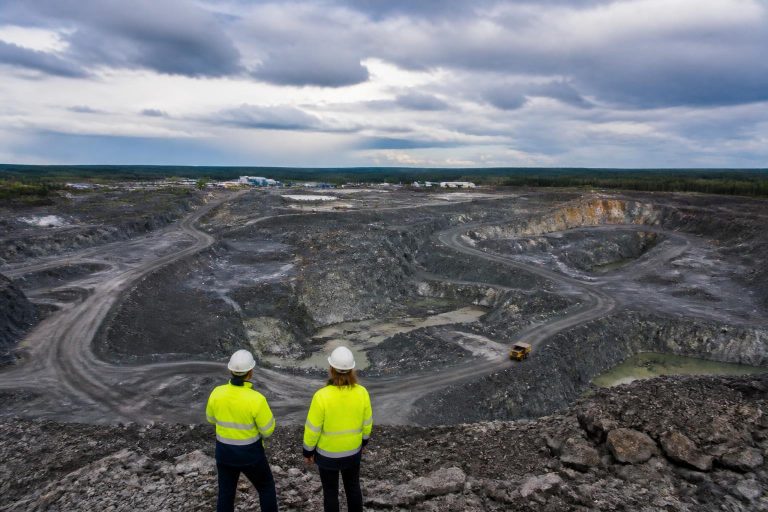
    The estimated capital cost for the project is $2.31 billion, covering expenses for open-pit mining, tailings management, beneficiation, and infrastructure development. Opportunities to reduce these costs will be explored as the project advances. In June, Norway awarded extraction rights for the Eigersund project and all other exploration licenses in the municipality, marking the largest such award in the nation’s history at 26 sq. km.

    John Vergopoulos, CEO of Norge Mining, commented on the PFS milestone, emphasizing that it is a critical step towards establishing a vertically integrated European supply source for EU critical and strategic raw materials. He noted that this achievement aligns with the company’s commitment to high standards of environmental and social sustainability.

    Norge Mining is also focused on sustainability at the Eigersund project, having established a research and development company to explore alternative uses for the mine’s tailings. This initiative aims to reduce the need for tailings deposits and enhance the project’s economic viability. Following the PFS, a bridging study will evaluate project optimization and tailings utilization, leading to a definitive feasibility study (DFS). Concurrently, the company is advancing potential downstream activities related to the production of white phosphorus, phosphoric acid, titanium metal, and vanadium, expected to progress alongside the DFS.

  • Startups Innovate Direct Lithium Extraction to Meet Rising Demand and Enhance Sustainability

    Startups Innovate Direct Lithium Extraction to Meet Rising Demand and Enhance Sustainability

    As the global shift towards electrification accelerates, the demand for lithium—a crucial component in batteries powering everything from electric vehicles to smartphones—is expected to surge over the next decade. To address this growing need, a new wave of startups is developing innovative methods for producing the valuable metal, tapping into previously inaccessible lithium sources, and overcoming significant economic challenges amidst a current market downturn.

    One promising approach is Direct Lithium Extraction (DLE), which involves recovering lithium from brine found on the Earth’s surface or extracted from underground sources. Various techniques, such as using lithium-attracting beads or selective membranes, are being explored. Although DLE has been pursued by startups for years, recent advancements have brought the technology closer to being competitive with traditional extraction methods.

    “Sung Choi, a metals and mining specialist at BloombergNEF, noted that the technology is now on the brink of commercialization,” highlighting the potential for DLE to transform the lithium industry. Despite most startups still operating at the laboratory or pilot stage, the push towards high-value processing clusters and deep secondary metal processing is seen as essential for Kazakhstan’s metallurgical sector and the broader domestic steel industry.

    Traditional lithium extraction methods, such as open-air evaporation ponds and hard-rock mining, are water-intensive and environmentally taxing. In contrast, membrane separation technology, hailed as “the holy grail of lithium extraction,” offers a more sustainable alternative by significantly reducing water and chemical usage. Companies like SpecifX and ElectraLith are at the forefront of developing these advanced DLE techniques, which promise to minimize environmental impact while maintaining efficiency.

    However, economic hurdles persist. The recent collapse in lithium prices has created a challenging funding environment for DLE startups, as traditional methods remain cheaper in the short term. Despite this, industry leaders like Raef Sullyof Lilac Solutions Inc. advocate for continued investment in DLE to prepare for future demand spikes driven by the energy transition.

    As the industry navigates these challenges, the successful commercialization of DLE technologies could diversify the lithium supply chain, reduce environmental footprints, and ensure a steady supply of lithium to meet the demands of a rapidly electrifying world.

  • UK Royal Mint Launches Facility to Extract Gold from E-Waste in South Wales

    UK Royal Mint Launches Facility to Extract Gold from E-Waste in South Wales

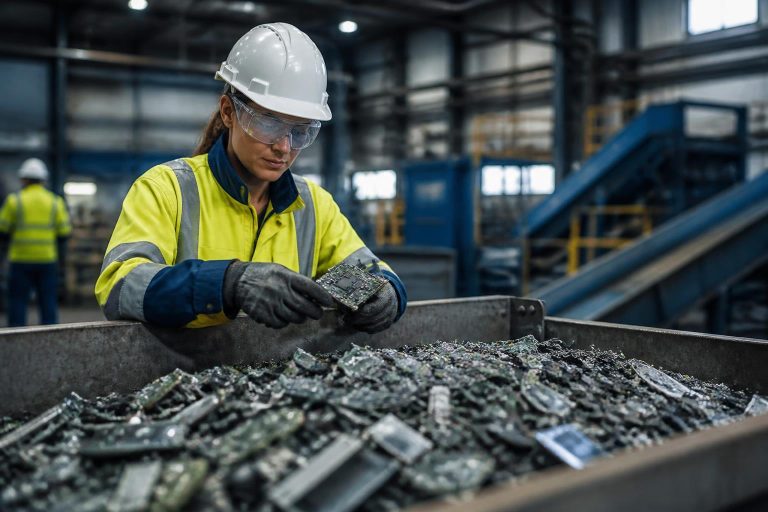
    The UK Royal Mint has unveiled a groundbreaking facility in South Wales aimed at extracting gold from e-waste, marking a significant step towards a more sustainable source of the precious metal and reducing reliance on traditional mining methods. The 3,700 square metre Precious Metals Recovery factory employs world-first patented chemistry from Canadian clean tech company Excir. Using this innovative technology, the Mint will recover gold from printed circuit boards (PCBs) found in everyday electronics such as TVs, laptops, and mobile phones. This method operates at room temperature and works in minutes, making it energy-efficient and cost-effective, according to the Mint.

    This facility represents the first industrial-scale application of Excir’s technology, with the capability to process up to 4,000 tonnes of e-waste PCBs annually. The Royal Mint, the UK’s oldest company and sole coin producer, stated that this method enables them to “mine” high-quality 999.9 purity gold, already used in their luxury jewellery collection 886.

    The launch of this facility addresses the escalating environmental issue of e-waste. The United Nations’ Global E-waste Monitor reports that electronic waste generation worldwide is rising by 2.6 million tonnes annually, hitting a record 62 million tonnes in 2022 — an 82% increase since 2010. The Royal Mint’s plant aims to mitigate this problem by recovering valuable finite resources and appropriately processing other materials for further treatment.

    “The opening of this factory marks a pivotal step in our journey,” said chief executive Anne Jessopp. “We are not only preserving finite precious metals for future generations, but we are also preserving the expert craftsmanship The Royal Mint is famous for by creating new jobs and re-skilling opportunities for our employees.”

    Committed to sustainability, the Royal Mint is collaborating with major industry bodies to develop the first International Organization for Standardization (ISO) standard for recycled gold. This initiative seeks to provide clarity to the industry, end consumers, and other stakeholders.

    “The factory underpins our commitment to using sustainable precious metals and providing a new source of high-quality, recovered gold,” said chief growth officer Sean Millard. “It allows us to reduce our reliance on mined materials and is another example of how we’re working to decarbonize our operations.”

    Amid a global decline in cash usage, the Royal Mint has been innovating and diversifying. Earlier this year, it announced the closure of its Overseas Currency division, with all 230 staff offered roles in new and expanding business areas, including the newly opened Precious Metals Recovery factory.

  • Sweden Joins Sustainable Critical Mineral Alliance to Promote Green and Inclusive Mining

    Sweden Joins Sustainable Critical Mineral Alliance to Promote Green and Inclusive Mining

    In a significant step towards a sustainable future, Sweden has joined the Sustainable Critical Mineral Alliance (SCMA). This coalition, led by Canada and established in December 2022, includes Australia, France, Germany, Japan, the UK, and the US. The alliance aims to ensure environmentally sustainable and socially responsible mining practices, crucial for achieving net-zero emissions. The SCMA focuses on supporting local and Indigenous communities, reducing greenhouse gas emissions, and promoting a circular economy. Canadian Minister Jonathan Wilkinson and Swedish Minister Ebba Busch emphasized the importance of high environmental, social, and governance (ESG)standards in the mining industry.

  • EU’s Corporate Sustainability Directive: Far-Reaching Effects on Global Supply Chains and Africa

    EU’s Corporate Sustainability Directive: Far-Reaching Effects on Global Supply Chains and Africa

    The European Union’s newly enacted Corporate Sustainability Due Diligence Directive (CSDDD) imposes stringent requirements on large corporations to address and mitigate human rights and environmental impacts throughout their supply chains. Effective from May 24, the directive targets businesses with more than 1,000 employees and a net turnover exceeding €450 million, including non-EU companies with substantial EU operations. This initiative, driven by France, focuses heavily on sectors like mining. However, it has faced criticism for excluding financial institutions and specific products, which some argue weakens its overall impact, especially from the perspective of African stakeholders who see continuous investments in fossil fuel projects on the continent.

    For instance, in South Africa, the controversy surrounding Shell’s offshore gas exploration underscores the environmental challenges that the directive aims to tackle. Despite these intentions, the development process of the CSDDD has been criticized for insufficient engagement with stakeholders from the Global South, raising concerns about the directive’s fairness and effectiveness in ensuring accountability and equitable governance within global supply chains. The directive’s broad scope emphasizes the need for comprehensive international frameworks to support sustainable business practices globally.