Tag: sustainability

  • Bulgaria’s Industrial Sectors Need Comprehensive Strategy to Overcome Challenges

    Bulgaria’s Industrial Sectors Need Comprehensive Strategy to Overcome Challenges

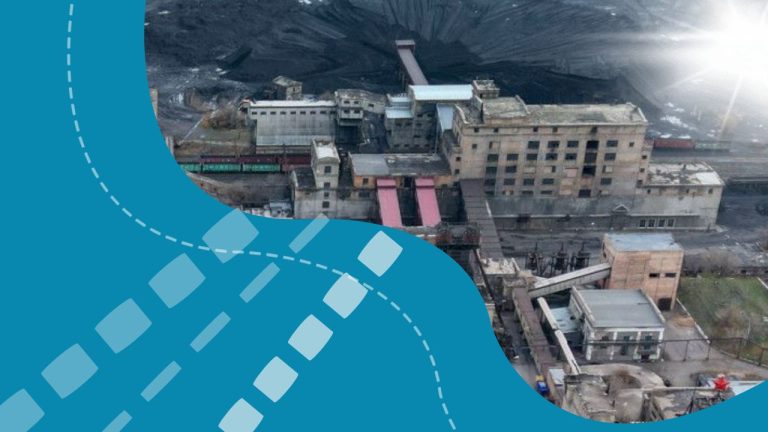
    Bulgaria’s manufacturing and mining sectors are currently facing serious challenges due to global economic shifts and rising competition. High energy consumption and largely outdated equipment make these sectors particularly vulnerable. A comprehensive National Industrial Strategy is necessary, aligning with European Union priorities such as the European Green Deal and the Net-Zero Industry Act, to increase sustainability, competitiveness, and innovation.

    According to Petar Murginski, the manufacturing and mining sectors are vital to Bulgaria’s economy, significantly contributing to industrial production and employment. However, high energy consumption, outdated equipment, and a heavy reliance on fossil fuels pose significant challenges. The 2023 European Semester Country Report for Bulgaria shows that 63% of the country’s energy mix comes from fossil fuels, while renewables only account for 15%. Additionally, Bulgaria has one of the lowest circular economy rates in Europe, with only 4.8% material reuse compared to an EU average of 11.5%, according to the 2022 Eurostat Circular Economy Report.

    Despite these challenges, Bulgaria holds significant potential in critical raw materials and green technology adoption. The country’s strategic position in the European supply chain is underutilized, and there are substantial regional disparities in productivity and infrastructure. The Sofia Capital region alone generates 41% of the national GDP, according to 2022 National Statistical Institute GDP Data. To address these issues, a comprehensive National Industrial Strategy focusing on reducing carbon emissions, enhancing energy efficiency, and promoting the circular economy is essential.

    The strategy’s primary objective should be to facilitate Bulgaria’s transition towards greener, more innovative, and technologically advanced industries. It aims to increase competitiveness by promoting resource efficiency, digitization, and circular economy practices. Aligning Bulgaria’s industrial growth with EU policies, such as the Critical Raw Materials Act, and setting clear policy objectives to empower the Bulgarian Ministry of Economy and Industry are crucial for implementing reforms that enhance productivity, attract investment, and secure strategic autonomy.

    Key Findings reveal that both the mining and manufacturing sectors face significant technological gaps and supply chain vulnerabilities. High energy consumption per unit of production and outdated equipment make these industries particularly vulnerable. Modernizing equipment and processes is essential to increase efficiency and reduce carbon emissions. Investment in new technologies and infrastructure is crucial for overcoming these challenges. Supply chain disruptions, especially of critical raw materials, also present significant risks to industrial stability.

    Despite these challenges, there is considerable potential for green technology adoption. Bulgaria’s strategic position and rich mineral resources offer opportunities for sustainable development. Enabling zero-emission technologies and promoting the circular economy are critical. Investing in renewable energy sources and improving energy storage solutions can significantly enhance the sustainability of these sectors.

    The strategy recommends several measures for modernization and sustainability, including modernizing existing infrastructure, adopting new technologies to improve energy efficiency, and reducing emissions. Implementing circular economy practices, encouraging innovation through investment in research and development, and supporting companies in the green technology sector are vital for sustainable growth.

    Policy recommendations include providing incentives for the adoption of zero-emission technologies, supporting projects that contribute to carbon neutrality, encouraging the circular use of critical raw materials, and supporting recycling initiatives. Developing industrial parks as hubs for innovation and sustainable growth is also emphasized, with a focus on upgrading infrastructure, creating favorable conditions for attracting strategic investors, and addressing regional disparities.

    The strategy outlines a clear roadmap for implementation, including engaging with key stakeholders, establishing a monitoring and evaluation framework, and maintaining flexibility to adapt based on ongoing feedback and changing conditions.

    Expected outcomes include enhanced competitiveness, sustainable growth, increased adoption of sustainable practices, and reduced regional disparities. Linking the strategy to EU funding opportunities, such as the Critical Raw Materials Act, Innovation Fund, and LIFE Programme, is crucial for its successful implementation and achieving sustainable growth.

  • Adriatic Metals PLC Initiates Operational Transition at Rupice Mine in Bosnia and Herzegovina

    Adriatic Metals PLC Initiates Operational Transition at Rupice Mine in Bosnia and Herzegovina

    Adriatic Metals PLC, represented by chief executive Paul Cronin, has commenced the transition process to assume control as the mining operator at the Rupice Mine in Bosnia and Herzegovina. This strategic move aims to enhance productivity and sustainability. Following an Accelerated Development Action Plan (ADAP), the company is taking operational control from Nova Mining and Construction, having invested approximately $11 million in equipment and inventory. This transition enables Adriatic Metals to directly oversee the mine’s operations, develop its local workforce, and optimize costs by integrating local suppliers into its supply chain. Moreover, the company has introduced new technologies and bolstered health and safety measures under the ADAP to minimize operational incidents and environmental impacts. To support these initiatives, Adriatic Metals has secured a $25 million short-term loan facility from Orion Mining Fund, bolstering its working capital. These strategic steps align with broader efforts to enhance efficiency and position the Rupice Mine as a driver for local economic development.

  • 14th MINEX Kazakhstan Forum in Astana: Sustainable Development in Mining Industry Takes Center Stage

    14th MINEX Kazakhstan Forum in Astana: Sustainable Development in Mining Industry Takes Center Stage

    Astana, Kazakhstan – The 14th Mountain Geological Forum, MINEX Kazakhstan, commenced its proceedings, focusing on the theme of “Sustainable Development of the Mining Industry for the Benefit of Society and the Environment.” Over 450 specialists from 235 companies and organizations spanning Kazakhstan and 32 countries across Europe, Central Asia, North and Latin America, Africa, Southeast Asia, the Middle East, and Australia are participating in the event.

    More than 50 Kazakhstani and international companies are showcasing cutting-edge technologies for prospecting, extraction, and processing of mineral resources at the forum’s exhibition. Attendance by approximately 1000 specialists from Kazakhstan and abroad is anticipated.

    Of notable significance this year is the record participation of foreign investors at the forum, demonstrating keen interest in exploring and developing deposits of precious metals, copper, coal, lithium, uranium, as well as rare and rare-earth metals.

    During the plenary session, the Executive Director of AGMP, Nikolai Radostovets, addressed the key directions for the development of the mining and metallurgical industry in Kazakhstan. He emphasized crucial tasks such as replenishing the mineral resource base, enhancing domestic value, and raw material processing.

    With the depletion of the mineral resource base and the decline in the content of useful components in ore, there is a pressing need to increase geological exploration activities and provide incentives for investments in geological exploration. In this regard, the association’s leader proposed revising the algorithm for accounting and taxing expenditures on geological exploration. Specifically, he suggested refining the Tax Code to allow deductions for all expenses on geological exploration regardless of the allocation of individual sites into new contracts, as well as establishing deductions for corporate income tax on expenditures for geological exploration of solid minerals through existing extraction contracts.

    To incentivize involvement in raw material processing, he proposed enshrining several provisions in legislation. These include exempting subsoil users’ non-extractive mineral resources from the mineral extraction tax (MET) and not levying fees for their re-placement after processing. Regarding non-state-owned mineral resources, extraction should proceed as per current regulations, with a reduced MET rate applied to stimulate their processing.

    Addressing tasks related to enhancing domestic value, Radostovets highlighted AGMP’s comprehensive approach aimed at satisfying the needs of domestic manufacturers and mitigating risks for subsoil users in procurement.

    “We plan to convene with domestic manufacturers at the NPP platform shortly and propose that for the products that Kazakhstani enterprises can produce, we will enter into off-take contracts,” he specified. “We are prepared to compile and approve a list containing the range of goods manufactured in Kazakhstan or those that can be produced in the medium term. For other types of products, we should have open procurement under standard conditions, possibly from a single source, as these are goods not produced in Kazakhstan.”

    The Executive Director of AGMP also underscored the development of raw material processing in Kazakhstan, recalling legislative amendments enacted for licensing metal exports. These amendments, effective from October of the current year, will only grant export licenses if metallurgical enterprises fulfill certain obligations and meet domestic market demands. He noted the association’s preference for stimulating enterprises to process natural resources within the country to foster the development of metal processing and the establishment of metallurgical clusters.

    “Investment agreements, processing agreements have not yet kicked off,” expressed R. Baimishev. “There hasn’t been a single agreement with an investment volume of $50 million. Yet, there are proposals to increase them by 10 times – up to $500 million. We believe these are premature steps. Furthermore, we believe it is necessary to stimulate the development of deeper horizons. Mine construction requires substantial investments and government support,” he observed.

    In turn, the Chairman of the Board of AO “National Mining Company “Tau-Ken Samruk” Bakyt Chirchikbayev provided an update on the completion of the transfer process of 100% of the shares of AO “NGC “Kazgeology” to “Tau-Ken Samruk” in September of the previous year. He outlined steps taken to optimize management processes, reduce costs, and eliminate duplicate functions, such as merging functions related to geological exploration and joint project implementation with foreign partners. Following the consolidation of these functions, their asset portfolio comprises 53 geological exploration projects, with collaboration involving more than 15 participants.

    “It can be noted that we have become a sort of unified window for investors in the geological exploration sector for developing joint projects, and we see ourselves as minority participants in the development of these projects to avoid burdening quasi-state companies with such requirements and to manage companies more flexibly,” he remarked.

    Chirchikbayev emphasized that the company’s geologists are currently exploring promising directions and have already identified several prospective sites. “Tau-Ken Samruk” is open to partners, including junior companies, for the development of these projects.

  • Report Urges Increased Circularity in EU’s Critical Raw Materials Market

    Report Urges Increased Circularity in EU’s Critical Raw Materials Market

    A report unveiled by CLG Europe’s Materials & Products Taskforce and the Wuppertal Institute underscores the imperative for heightened circularity within the European Union’s critical raw materials sector. Titled “Embracing Circularity: A Pathway for Strengthening the Critical Raw Materials Act,” the document directly addresses deficiencies in the EU’s Critical Raw Materials Act (CRMA) issued in March 2023.

    Circularity, the report argues, transcends mere recycling and underscores the necessity of effectively retaining materials within the system for extended periods. Critiquing the current CRMA proposal for its inadequate treatment of this aspect of circularity, the report focuses on aluminum (bauxite and magnesium), lithium, and rare earth elements (REE), drawing on evidence-based research and industry case studies to offer actionable recommendations to policymakers.

    Eliot Whittington, Chief Systems Change Officer at CISL, accentuated the potential of a more circular economy in Europe to simultaneously tackle challenges related to key materials and climate change. The report posits that embracing circularity during CRMA negotiations could accelerate the region’s progression toward climate neutrality and strategic autonomy.

    Integral to the green transition, the demand for raw materials profoundly affects the manufacturing of solar panels, wind turbines, and electric vehicles. With 24 materials listed in the CRMA imported from China and concerns regarding the environmental and societal ramifications of domestic mining, the report stresses the EU’s strategic autonomy.

    Advocating for a shift toward a reuse model, the report proposes that a circular economy in the EU could fortify the security of supply for critical raw materials. Prof. Dr. Manfred Fischedick, President and Scientific Managing Director of the Wuppertal Institute, champions a circular economy as a more sustainable alternative to mitigate environmental impact.

    The report’s recommendations encompass a more comprehensive circular approach within the CRMA, advocating for flexibility, forward-looking infrastructure, a coherent European Industrial Strategy, sustainable supply chains, and incentives for green technologies.

  • Kazakhstan’s Vice Minister Visits UK for Forum on Ore Processing and Circular Economy

    Kazakhstan’s Vice Minister Visits UK for Forum on Ore Processing and Circular Economy

    Iran Sharhan, Vice Minister of Industry and Infrastructure Development of the Republic of Kazakhstan, undertook a working visit to the United Kingdom to participate in the “Mineral Processing and Circular Economy” business forum from March 11 to 15, 2024. The primary purpose of the trip was to explore British opportunities in critical raw materials.

    During the forum, Kazakhstan and the UK signed a Roadmap for Strategic Partnership in Critical Minerals, marking a new chapter in their relationship in sustainable mineral resources.

    In a meeting with the UK’s Minister of Industry and Economic Security, Nusrat Ghani, Iran Sharhan emphasized Kazakhstan’s principles of exchanging raw materials for technology and integrating into the global value chain. He also invited British companies to participate in investment projects in Kazakhstan.

    Minister Nusrat Ghani praised the work of both countries in forming a long-term partnership and expressed confidence in the swift implementation of the signed Roadmap, considering it a significant event in the development of cooperation between London and Astana in the field of critical minerals.

    The event also included meetings between entrepreneurs from both countries to discuss the development of cooperation in the field of critical raw materials and to present specific projects.

    The visit also included familiarization trips to the production sites of British companies, where their production capacities and technologies were presented.

    All these activities were organized with the assistance of the Embassy of the Republic of Kazakhstan in the United Kingdom and Northern Ireland.

  • Global Efforts to Reduce Dependence on China’s Rare Earth Elements Dominance

    Global Efforts to Reduce Dependence on China’s Rare Earth Elements Dominance

    The article underscores the global reliance on China for rare earth elements (REEs), essential components in various high-tech applications, particularly amid the burgeoning shift towards green energy technologies. China’s stranglehold on REE production and its monopoly over the entire supply chain have sparked apprehensions regarding supply chain vulnerabilities and geopolitical ramifications for other nations.

    China’s dominance in the REE market is fueled by factors such as its control over critical materials for electric vehicle (EV) batteries and its vertically integrated production chain. Nevertheless, concerns over the environmental repercussions of REE extraction and processing, coupled with geopolitical risks associated with overreliance on a single supplier, have prompted Western nations to explore alternatives and diminish their dependence on China.

    The article delves into initiatives by the United States, Europe, and other regions to diversify their sources of REEs. Tesla’s strategy to incorporate rare earths-free magnets in next-gen motors and collaborative efforts between US and European rare earth companies exemplify these endeavors. Furthermore, the US Department of Defense’s agreement with Australia’s Lynas Rare Earths to establish a heavy rare earths separation facility in Texas is perceived as a stride towards bolstering domestic industrial capabilities and reducing dependency on China.

    Japan’s strategic maneuver to lessen its rare earth dependency on China by increasing investments in Lynas underscores a broader trend of nations endeavoring to secure their rare earth supply chains.

    The article accentuates the imperative for China to embrace more sustainable and environmentally responsible practices in REE mining and processing. It advocates for transparency in supply chains and a commitment to social and environmental responsibility to sustain China’s dominance in the carbon market and REEs sector.

    In conclusion, Western concerns, driven by environmental and geopolitical apprehensions, are propelling nations to explore alternatives and diminish reliance on China for rare earth elements. Collaborative ventures, investments, and technological advancements are being pursued to diversify supply chains and ensure a more secure and sustainable future for the global REE market.

  • Mining Boom in Southeast Europe Sparks Global Interest and Sustainability Initiatives

    Mining Boom in Southeast Europe Sparks Global Interest and Sustainability Initiatives

    The Western Balkans and the broader Southeast Europe region are emerging as hotspots for international mining companies, drawing attention with their abundant mineral resources ranging from copper and gold to lithium and coal. As global demand for minerals intensifies, these regions are not only pivotal for traditional industrial needs but also play a crucial role in the green transition. International mining companies, including those from Canada, China, Russia, and the United Kingdom, are actively involved in exploration, new project development, and the modernization of existing mining operations.

    Market Presence

    Key players, such as Rio Tinto, known for its involvement in Serbia’s Jadar lithium project, and Zijin Mining, investing in the Čukaru Peki copper and gold mine in Serbia, showcase the region’s appeal to major global entities. Lydian International’s engagement in the Amulsar gold project in Armenia and Eldorado Gold’s Canadian investments in Greece further underline the diverse interest in Southeast Europe’s mineral wealth.

    Trends

    The region is witnessing a heightened focus on metals essential for the green transition, including lithium, nickel, and copper. With global shifts towards electrification and renewable energy, the Western Balkans becomes a focal area for exploration and investment. International companies not only explore new projects but also invest in modernizing existing operations to enhance efficiency, reduce environmental impact, and extend mine life. Scrutiny on environmental and social impacts is growing, prompting companies to adopt higher standards for community engagement, environmental protection, and corporate social responsibility.

    Regional Stability and Investment Climate

    The political and economic stability of the Western Balkans and Southeast Europe significantly influences international mining investments. Efforts towards EU integration and improved governance are positive signals for investors looking to establish a lasting presence.

    Perspectives

    The mineral resources of the Western Balkans hold strategic importance for Europe’s ambition to secure critical raw materials. Geopolitically, this aspect continues to drive international interest in the region. While the area presents substantial opportunities, challenges related to regulatory frameworks, environmental and social governance, and infrastructure must be addressed to unlock its full potential. Moreover, there is a unique opportunity for the region to leverage international investment for sustainable development, emphasizing green mining practices, community development, and contributing to the energy transition.

  • Opposition Mounts Against EU-Rwanda “Sustainable Mining” Pact

    Opposition Mounts Against EU-Rwanda “Sustainable Mining” Pact

    Controversy surrounds the European Union’s recent agreement with Rwanda on the sustainability and traceability of strategic minerals, as critics, including “Insieme pace per il Congo” and seven other organizations, demand its annulment. Expressing concern, these groups, including the “Rete Pace per il Congo” Network, question the wisdom of engaging in such an accord with a country that allegedly acquires these minerals illegally from a neighboring state. The protocol agreement, signed on February 19th, faces objections from Cardinal Fridolin Ambongo Besungu and others who argue that Rwanda’s prominence in the tantalum mining sector is marred by the exploitation of wars and clandestine movements since 1996. Despite the EU’s assertion that the agreement aims to uphold legality and traceability standards, critics emphasize Rwanda’s questionable practices, accusing it of benefiting from conflicts in the Democratic Republic of Congo. The statement from the opposition cites the flow of valuable minerals, such as gold and coltan, from Congo to Rwanda through complicit border practices, leading to violence, displacement, and suffering. “Insieme per la Pace nel Congo” appeals to the European Union to reconsider the agreement, urging sanctions against Rwanda for its alleged involvement in the illegal trade of minerals. They emphasize the need for a fair and impartial approach to foster peaceful coexistence in the African Great Lakes region.

  • Exploring Sustainable Mining and Resource Practices in Europe: Germany and Finland’s Venture into IMARC 2023 Down Under

    Exploring Sustainable Mining and Resource Practices in Europe: Germany and Finland’s Venture into IMARC 2023 Down Under

    Germany, a nation lauded for its technological excellence and dedication to ecological sustainability, stands at a crucial juncture concerning the trajectory of its mining and resources sector.

    Throughout history, mining has been a cornerstone of Germany’s economy. However, today, this industry grapples with an array of challenges that necessitate a harmonious approach. Balancing the imperatives of economic expansion, environmental preservation, and reducing dependence on foreign resources is of paramount importance.

    Germany, renowned for its technological prowess and commitment to ecological sustainability, stands at a critical juncture in shaping its mining and resources sector’s future.

    Throughout its history, mining has been a linchpin of Germany’s economy. Nevertheless, the sector now confronts an array of challenges that necessitate a harmonious approach. Striking a balance between economic expansion, environmental preservation, and reducing reliance on foreign resources has become imperative.

    Juergen Wallstabe, representing the German-Australian Chamber of Industry and Commerce, points out that although mining activities have waned across Europe over several decades, Germany has expanded its global presence in the resources sector. High-tech METS companies in Germany are increasingly exporting innovative and technologically advanced solutions worldwide.

    Wallstabe is optimistic that IMARC will provide a platform for established and emerging German firms to enhance their reputation for technological excellence and innovation.

    “Germany’s leading position in engineering and manufacturing has resulted in a world-leading METS sector,” Wallstabe emphasizes. “We are convinced that on the one hand, German METS companies can support the Australian and other mining industry operators to reach their targets related to safety, productivity, efficiency, and decarbonization. On the other hand, Australia is a valuable partner for Germany’s resources needs.”

    IMARC has been highlighting the industry’s environmental impact and its role in fostering a sustainable, decarbonized economy in recent years. A particular focus has been on the often-unwelcome legacy of mining operations, which have left lasting scars on landscapes, disrupted ecosystems, and polluted water sources.

    Wallstabe highlights that IMARC offers an opportunity to showcase how Germany’s emphasis on environmental protection has led to stringent regulations for mitigating these legacy impacts.

    “Germany’s commitment to remediating and restoring abandoned mining sites demonstrates our dedication to healing environmental wounds. IMARC offers a chance to share our experiences and learn from others facing similar challenges,” he notes.

    Energy security is back in the spotlight in Europe, partly driven by the ongoing conflict in Ukraine and the need for reliable energy supply. Germany’s ambitious Energiewende (energy transition) plan aims to phase out nuclear power and significantly reduce carbon emissions by promoting renewable energy sources. Consequently, the focus has shifted towards sustainable mining practices supporting the production of materials crucial for renewable energy technologies, such as lithium for batteries and rare earth elements for wind turbines and solar panels. This presents an opportunity for the mining sector to contribute positively to Germany’s energy transformation.

    Wallstabe notes, “To manage the energy transition, Germany’s and Europe’s need for critical minerals will increase dramatically for the foreseeable future. Australia is already and will continue to be a key player in securing a steady supply of critical minerals. Wind turbines need steel, copper, and strong magnets with rare earths minerals. Batteries consist of a wide range of critical minerals like Lithium, Manganese, Copper, Nickel, Cobalt, and the hydrogen industry needs Platinum, Iridium or Scandium. All resources that Europe struggles to produce in sufficient quantities.”

    IMARC spokesperson Paul Phelan underscores the significance of Germany’s strong representation at the event. He believes that delegates can anticipate a showcase of Germany’s renowned innovation, particularly within the mining sector.

    “It is clear that Germany’s public and private sectors are investing in the long term, with its research institutions and companies actively exploring novel technologies to enhance resource extraction efficiency, reduce environmental impacts, and improve worker safety,” says Phelan.

    “Automation, digitalization, and artificial intelligence are becoming integral to modern mining practices, enabling better resource management and reduced ecological footprints. IMARC offers an opportunity to witness how a technological giant like Germany is leading the way.”

    Germany’s mining industry, like that of other advanced nations, is closely linked to global supply chains. Ensuring ethical sourcing and responsible procurement of minerals from abroad becomes crucial in upholding the nation’s commitment to sustainability.

    Finland, on the other hand, adopts a different approach to secure critical minerals, emphasizing e-waste recycling. Birgit Tegethoff, Senior Advisor at Business Finland Australia, highlights Finland’s leadership in e-waste recycling, with companies like Metso pioneering hydrometallurgical battery black mass recycling.

    “The Finnish mineral industry has the circular economy heavily ingrained in its DNA, giving it a competitive edge in the global market. By increasing the use of recycled components in battery production, we can reduce the carbon footprint throughout our battery supply chain and lessen our dependence on international supply chains,” notes Tegethoff.

    Developing strategic international partnerships in the green minerals sector is a top priority for Finland. Ilkka Homanen, the head of the Finnish delegation, has extended an invitation to Australian research institutes and the broader resource industry to engage at IMARC 2023 and join consortia aimed at solving green minerals value chain challenges.

    Rolf Kuby, Director-General of Euromines, asserts that the issues facing Germany and Finland are not unique but are felt across Europe. He emphasizes the need to build a degree of open strategic autonomy and future-proof value chains.

    Phelan highlights Europe’s profound energy transformation in alignment with the EU’s sustainability and innovation goals. He believes that events like IMARC provide a platform for leading economies to secure their “resources resilience.”

    In addition to the Germany pavilion, a 90-minute German Program will be featured at IMARC 2023, curated by the German delegation and Chamber within the Global Opportunities Theatre.

    Other programs featured at the event this year include Canada, Australia, Mongolia, Ecuador, Chile, Saudi Arabia, Quebec, Ontario, and South Korea.

  • Rio Tinto commits $150 million to Centre for Future Materials led by Imperial College London

    Rio Tinto commits $150 million to Centre for Future Materials led by Imperial College London

    LONDON, July 31, 2023–(BUSINESS WIRE)–Rio Tinto has committed $150 million to create a Centre for Future Materials led by Imperial College London to find innovative ways to provide the materials the world needs for the energy transition.

    The ‘Rio Tinto Centre for Future Materials’ will fund research programmes to transform the way vital materials are produced, used and recycled, and make them more environmentally, economically and socially sustainable.

    Under the partnership, Rio Tinto and Imperial will together define a set of major global challenges that need to be addressed. These will form the basis of the first research programmes the Centre pursues, in partnership with a selection of international academic institutions.

    The Centre will be established in the second half of 2023, with the first research programmes funded in 2024. Rio Tinto will contribute $150 million over 10 years to fund the Centre.

    Rio Tinto Chief Executive Jakob Stausholm said “For the world to reach net zero, we must find better ways to provide the materials it needs. No single player can do this alone, and research and development plays a vital role. Imperial College London is one of the world’s leading institutions focused on science and engineering – I cannot wait to see the progress we make, as we bring together the best of industry and academia, with shared ambition.”

    Professor Mary Ryan, Vice Provost (Research and Enterprise) at Imperial, said “All aspects of human society rely on materials – from housing to transport, energy, communications and health. We need to create sustainable ways to extract, process, and reuse these resources.

    “Moving to a truly sustainable society requires a holistic approach to these complex industrial processes. This is inherent to Imperial’s approach. We will tackle these challenges and design future innovations that are resource and energy efficient, nature positive, humancentric and just. By working hand-in-hand with other leading international institutions, we will create a truly multidisciplinary, global effort to drive the next industrial revolution in harmony with nature.”

    The $150 million commitment has been made in Rio Tinto’s 150th anniversary year. It will be delivered in 10 annual instalments and will fund research that empowers diverse, inter-disciplinary teams to deliver innovative, and transformative solutions with environment, society, and governance at their core.

    The Centre builds on Rio Tinto’s long-standing support of research and innovation. It will complement an Innovation Advisory Committee of global experts in their fields that Rio Tinto recently established to accelerate its innovation portfolio and provide external insights and guidance on emerging and disruptive technologies.

    The Innovation Advisory Committee includes members with experience in academia, industry and government. More information on the Committee can be found at riotinto.com.