The European Union (EU) has established a comprehensive framework for securing access to critical raw materials through initiatives like the Raw Materials Initiative (RMI) and the Critical Raw Materials Act (CRMA). However, despite these advancements, there is a growing sentiment among stakeholders in the mining, processing, and manufacturing sectors that the EU is not providing adequate financial support or assistance with energy costs. This perception overlooks the significant progress made by the EU, which has laid the groundwork for resource security, but now requires execution from member states and private investment.
The RMI, initiated in 2008, was pivotal in recognising the strategic importance of raw materials, leading to the establishment of a regularly updated list of critical raw materials. The CRMA further solidified this approach by setting ambitious benchmarks for 2030, including 10% extraction, 40% processing, and 25% recycling of strategic materials within the EU. It also streamlined permitting processes and encouraged diversification of supply chains, creating a robust regulatory framework.
A key component of the CRMA is the Strategic Projects mechanism, which aims to accelerate the permitting process for extraction, processing, and recycling projects. This mechanism offers significant advantages, including a 27-month limit for extraction projects and 15 months for processing and recycling projects, compared to the current timelines of five to ten years. Additionally, Strategic Projects gain priority access to financing from the European Investment Bank and other private financial institutions, facilitating the development of innovative technological solutions.
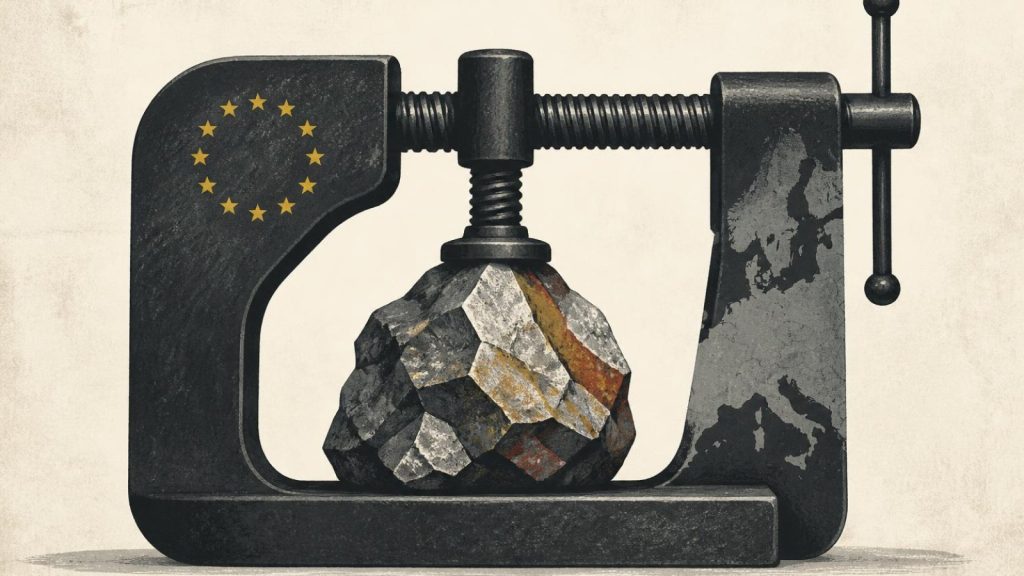
However, the EU does not provide direct subsidies or energy cost relief, placing the onus on member states to create conducive environments for investment. The challenges faced by the mining sector are often rooted in national permitting processes and local opposition, which can delay project approvals. Furthermore, private investors remain cautious, waiting for ideal conditions before committing capital to projects with long lead times and regulatory uncertainties.
To overcome these hurdles, member states must align their policies with the EU framework, streamline permitting processes, and prioritise raw materials projects as a matter of national security. Private investors are also urged to seize the opportunities presented by the CRMA, as the demand for critical minerals continues to grow amidst the energy transition.
While the EU has built a solid regulatory and strategic foundation for critical raw materials, it is now up to member states and private investors to take action. The era of relying on Brussels for solutions is over; the responsibility now lies with national governments and the private sector to drive the agenda forward and realise the potential of Europe’s critical minerals landscape.