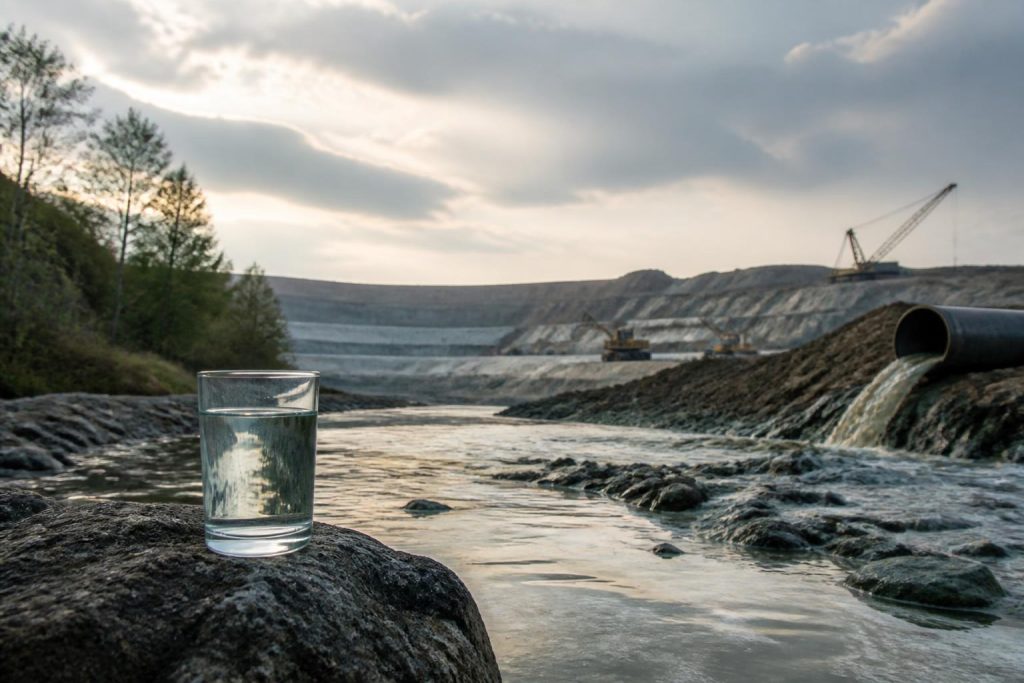
Environmental campaign groups have lodged a formal complaint against the European Commission, accusing it of proceeding with an overhaul of water protection and management laws without adequate evidence or stakeholder consultation. This complaint highlights growing tensions between environmental groups and the EU’s strategy to simplify regulations, known as the ‘omnibus’ approach, which aims to alleviate burdens on industries, including mining and metals companies. These industries argue that existing environmental safeguards are hindering their ability to secure permits for new critical raw materials mines and other industrial projects.
The complaint, filed with the European Ombudsman, includes notable organisations such as the World Wildlife Fund and the European Environmental Bureau. They assert that the Commission’s actions represent a significant deviation from established due process, adversely affecting citizens’ rights. The NGOs contend that the current EU water laws are not the primary obstacle to obtaining mining permits and do not warrant revision.
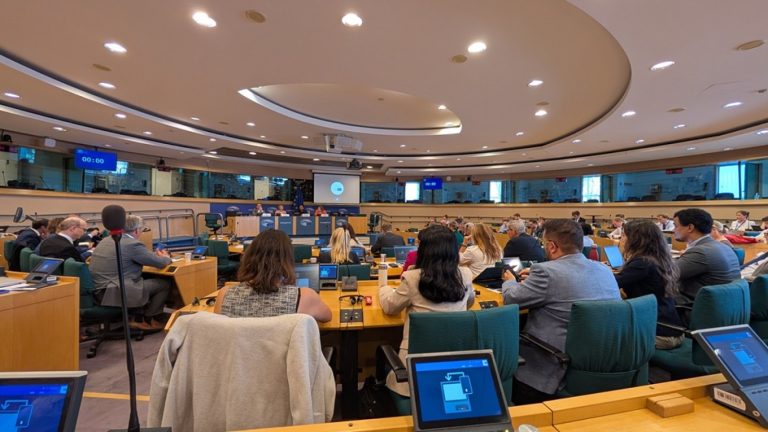
The Ombudsman will evaluate whether to initiate an inquiry into the complaint, a process that could take several weeks. While the Ombudsman lacks enforcement powers, their recommendations can influence future EU lawmaking and increase scrutiny of the Commission’s actions. Last year, the Ombudsman compelled the Commission to justify its expedited proposals to relax sustainability laws without assessing their compliance with Europe’s climate commitments.
This situation underscores the ongoing conflict between the EU’s environmental objectives and the demands of the mining sector, which is increasingly viewed as essential for securing critical raw materials necessary for the green transition. As the EU navigates this complex landscape, the outcome of this complaint could have significant implications for both environmental policy and the mining industry’s future in Europe.