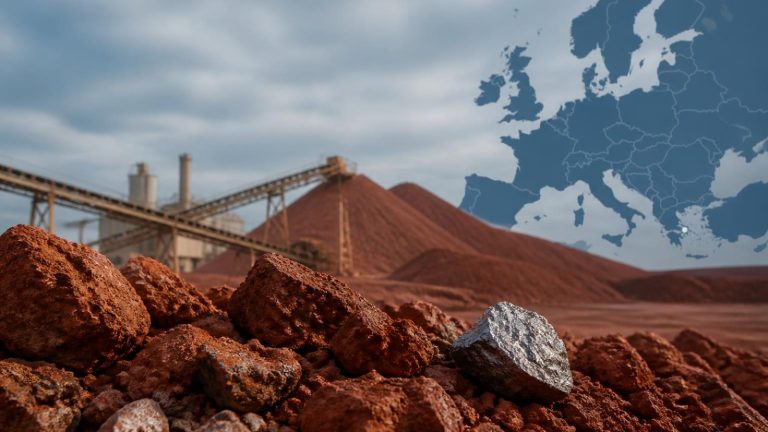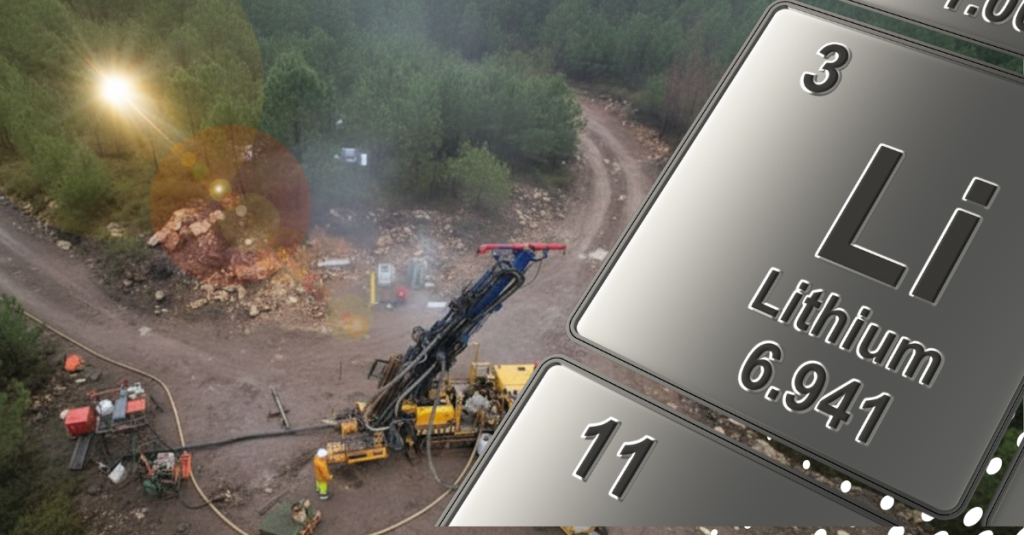
The Rio Tinto Group has placed its contested $2.95-billion Jadar lithium project in Serbia into “care and maintenance”, according to an internal memo this week. The move, confirmed by a company spokesperson, effectively halts active development on what was slated to be Europe’s largest lithium mine, capable of supplying an estimated 90% of the continent’s current lithium demand.
Key Takeaways and Context
The decision is a direct consequence of a “lack of progress in permitting” and sustained fierce local opposition and political volatility in Serbia. CEO Simon Trott’s focus on simplifying the company’s sprawling portfolio and cutting spending also played a role, especially given the project’s high capital allocation with no immediate production in sight.
What does “Care and Maintenance” mean for Jadar?
“Care and maintenance” is a mining industry term for a temporary suspension of operations. It means that while the site is not actively being developed, it is being managed to ensure it remains in a safe, stable, and environmentally compliant condition so that operations could be recommenced at a later date if regulatory, economic, or social conditions improve.
Rio Tinto reiterated that it “remains in Serbia” and continues to view Jadar as an “exceptional quality” deposit with the potential to play a “significant role in the energy transition” of Serbia and Europe. Their immediate focus will be on supporting employees and fulfilling legal obligations as responsible landowners in the Jadar valley.
🇪🇺 Critical Hit to EU’s Raw Materials Strategy
The mothballing of Jadar is a significant setback for the European Union’s ambitions for self-sufficiency in key battery metals, as outlined in the Critical Raw Materials Act (CRMA).
- Strategic Project Loss: Jadar was designated as one of the EU’s few Strategic Projects outside of its borders, specifically for lithium. At its estimated full capacity of 58,000 tonnes of lithium carbonate annually, it was considered a cornerstone for establishing a secure, diversified, and domestic European battery supply chain, reducing reliance on dominant suppliers like China.
- A Warning on Governance: The project’s failure underscores a critical dilemma for the EU. As Peter Tom Jones highlights, attempts to increase self-sufficiency through projects in third countries must not lead to “uncritical support for autocratic regimes”. The sustained local opposition, environmental concerns, and political instability in Serbia—an EU candidate country—demonstrate that effective governance and a democratization process are as critical as the resource itself.
- Alternative Lithium Projects: The focus will now intensify on accelerating other European lithium projects, such as those in Portugal, France, and Finland, to meet the CRMA’s targets.
This situation calls for the EU to demand robust ecological and social standards—potentially through collaboration with third-party verification bodies like the Initiative for Responsible Mining Assurance (IRMA)—to rebuild confidence in such projects in the Western Balkans and beyond.