In the latest edition of the Critical Matters Newsletter, the focus is on the evolving landscape of critical raw materials in Europe, particularly in light of the Critical Raw Materials Act (CRMA). This legislation aims to enhance the continent’s competitiveness and resilience by securing a reliable supply of essential raw materials necessary for the transition to a sustainable economy. The CRMA sets ambitious targets for 2030, including increasing domestic extraction, processing, and recycling of critical raw materials, while reducing dependence on single suppliers. However, as Europe transitions from setting these goals to actual implementation, significant challenges remain.
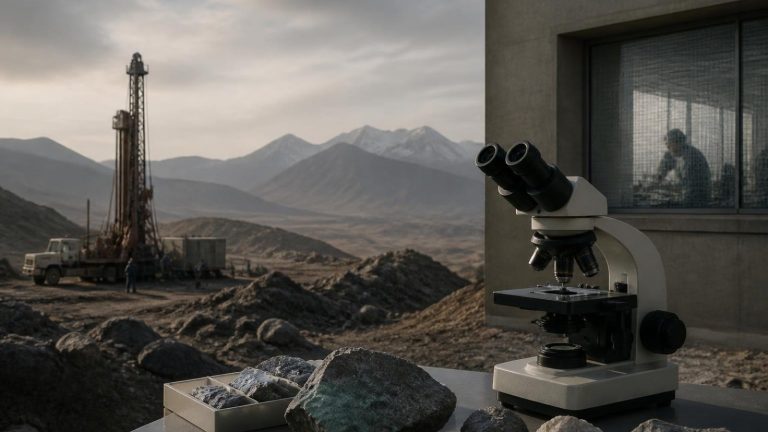
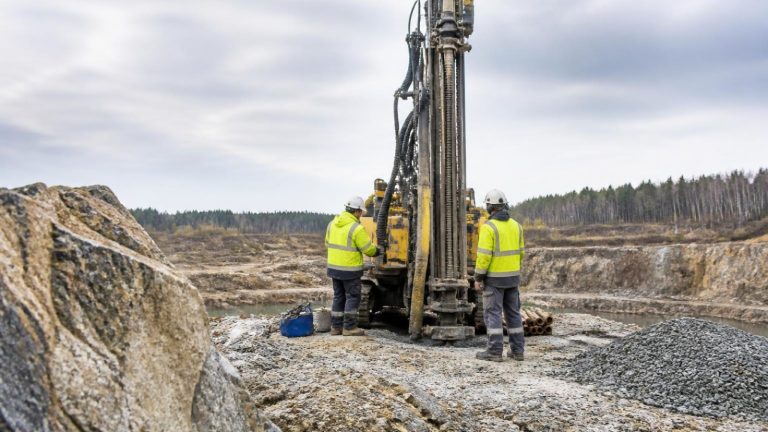
One of the primary hurdles is the lengthy and complex process of mineral exploration and mine development, which can take over a decade in Europe. Despite the CRMA’s provisions to expedite permitting for strategic projects, the reality is that many critical mineral resources have yet to be discovered. The article highlights the need for substantial investment in exploration, with estimates suggesting that the EU requires around €2 billion annually over the next five years to rebuild its exploration capacity. Currently, Europe accounts for only 3% of global exploration budgets, lagging significantly behind leaders like Canada and Australia.
The newsletter also underscores that investment alone is insufficient; a coordinated approach involving policies, institutions, and industry collaboration is essential for building a resilient critical raw materials ecosystem. Examples from countries like Ireland and Canada illustrate how long-term investment and supportive policies can enhance exploration and development capabilities. Ultimately, Europe’s success in securing critical raw materials will depend on how effectively it can integrate policy, investment, and innovation to create sustainable and circular value chains.