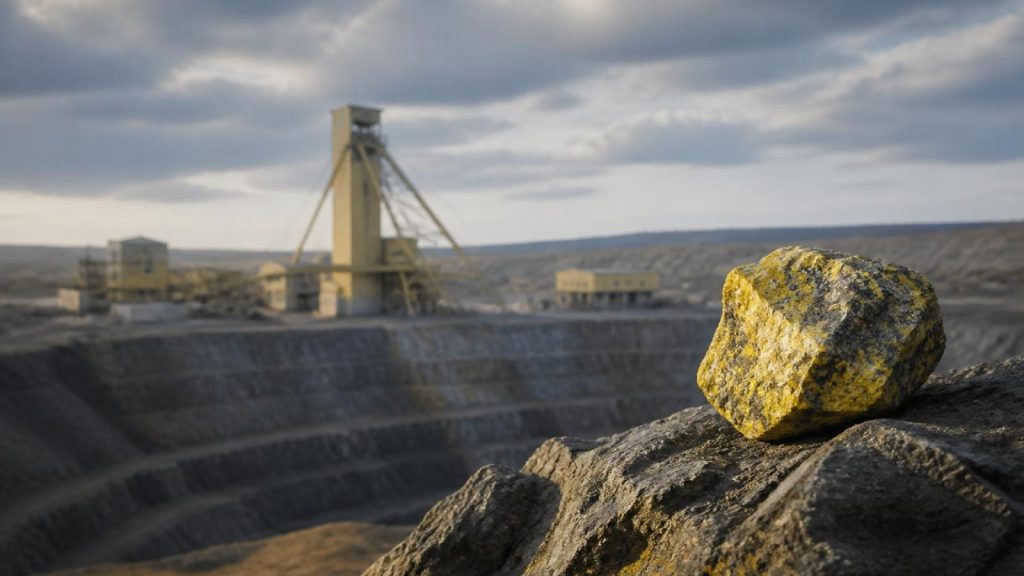
Kazakhstan, holding the second-largest reserves of uranium globally, faces critical challenges in maintaining its mineral resource base as extraction rates continue to deplete existing reserves. In a recent interview with Said Sultanov, founder of Aurora Minerals Group, the pressing need for enhanced geological exploration and investment in new uranium deposits was discussed. Sultanov emphasised that the gap between discovering promising sites and commencing industrial extraction can span years, necessitating a proactive approach to exploration now to ensure future supply.
The conversation highlighted the importance of balancing state interests, particularly those of the national company Kazatomprom, with the need to attract private investment, especially from junior companies. Recent legislative changes have increased Kazatomprom’s stake in new uranium projects from 50% to 75%, raising concerns about the attractiveness of Kazakhstan’s uranium sector for foreign investors. Sultanov pointed out that while state control over strategic resources is vital, excessive government involvement could deter private capital, which is essential for replenishing the uranium resource base.
Sultanov also evaluated the potential for further exploration of existing uranium deposits, asserting that while it is crucial for providing reliable geological information for current mines, it cannot solely sustain the resource base in the long term. He advocated for simultaneous exploration of new promising areas alongside ongoing assessments of existing sites to ensure a sustainable supply for the uranium mining industry.
The discussion further delved into the economic viability of extracting by-products from uranium ores, such as scandium, selenium, and rare earth elements, which could enhance the economic efficiency of mining operations. Sultanov stressed that the extraction of these components should be evaluated on a case-by-case basis, considering both technological and economic factors.
Kazakhstan’s current resource base is substantial, but Sultanov warned that continuous mining must be matched with new discoveries. Kazatomprom has already approved a strategy for resource replenishment from 2025 to 2034, with significant investments earmarked for exploration activities. He underscored the importance of starting exploration efforts well in advance of resource depletion to avoid future shortages.
In terms of environmental responsibility, Sultanov advocated for planning remediation projects throughout the lifecycle of mining operations, ensuring that companies are prepared for land restoration before extraction ends. He highlighted the need for a responsible approach to mining that considers both operational practices and post-extraction site conditions.
As for the future of the uranium sector, Sultanov identified three priority areas: enhancing the resource base and investment policies, improving technological and production sustainability, and ensuring ecological responsibility. He concluded that the sustainable development of Kazakhstan’s uranium industry hinges on creating clear rules that facilitate private investment while maintaining state control over strategic resources.