In a recent visit to Ukraine, US Treasury Secretary Scott Bessent has drawn parallels to historical figures like Catherine the Great, as President Volodymyr Zelenskyy seeks to leverage the country’s potential in rare earth minerals to secure ongoing US military support. This comes amid growing interest from former President Donald Trump, who has suggested that Ukraine’s rare earth resources could play a pivotal role in future agreements. The upcoming Munich Security Conference is expected to be a platform for announcing the terms of such an agreement.
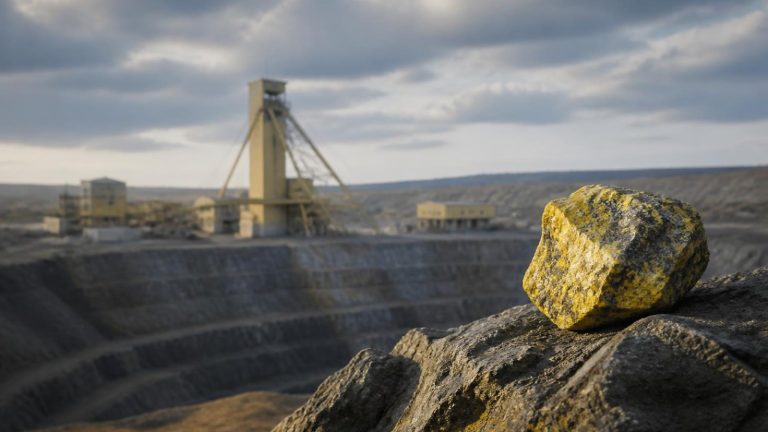
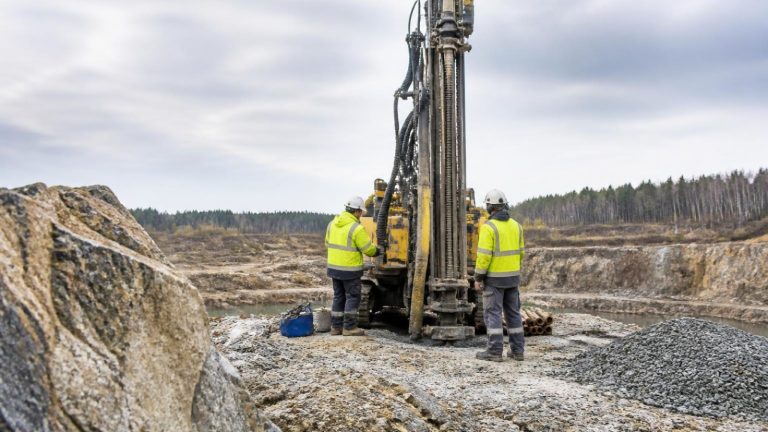
However, the reality of Ukraine’s mining capabilities presents significant challenges. Currently, Ukraine lacks any operational rare earth mines, proven reserves, or projects in the commercial exploration stage. While some geologists have identified formations that could theoretically be exploitable, these are not expected to be more promising than similar formations worldwide. The economic viability of developing rare earth resources in Ukraine is questionable, especially given the current market conditions that favour established tier one resources in stable jurisdictions.
The US’s potential involvement in Ukrainian rare earth projects raises further questions about the benefits for both parties. Any US investment would likely require substantial funding or tax incentives for American companies, but the Ukrainian government retains ownership of all mineral rights, complicating the economic rationale for such an arrangement. The modest royalty rates on mined minerals in Ukraine further diminish the attractiveness of this proposal.
Moreover, the demand for rare earths in the US is relatively low compared to the broader market. With annual imports valued at around $200 million, the figures touted by Trump regarding potential deals appear exaggerated. The US military aid to Ukraine has been significant, but the prospect of a lucrative rare earth deal seems more like a political strategy than a sound economic opportunity.
Some analysts speculate that the US may be interested in other critical minerals found in Ukraine, such as lithium. However, Ukraine’s lithium reserves are minimal compared to those of the US, and the country’s mineral sand industry, while historically significant, does not hold enough global market share to influence geopolitical dynamics. Ultimately, while a rare earth deal could serve as a diplomatic tool for Ukraine, its impact on global mineral markets is expected to be negligible.