
Industry News
EU steps up critical minerals policy but risks falling behind the US and China
Despite new policy initiatives, experts warn the EU is still lagging behind the US and China in securing resilient critical mineral supply chains.
 Eurasian mining, markets, policy and technology intelligence
Tag
94 published stories in this archive.
Industry News
Despite new policy initiatives, experts warn the EU is still lagging behind the US and China in securing resilient critical mineral supply chains.

Industry News
The stalled Kvanefjeld project underscores how geopolitics and regulation are hindering Europe’s access to Greenland’s rare earth wealth.
Industry News
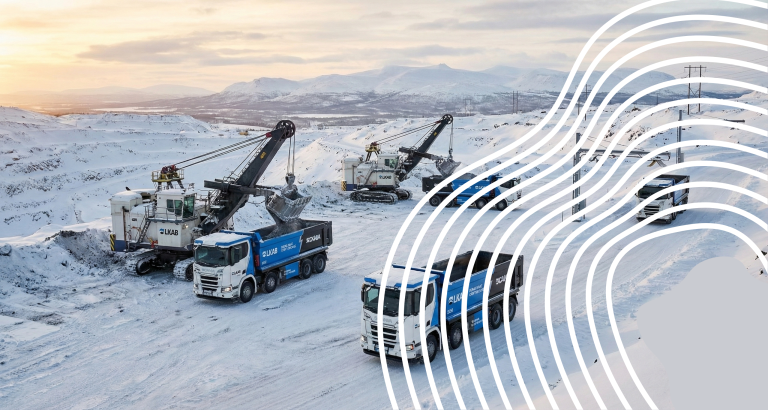
Possible inclusion of nickel under the EU’s carbon border tax could boost the competitiveness of low-carbon Canadian nickel exports.
Industry News
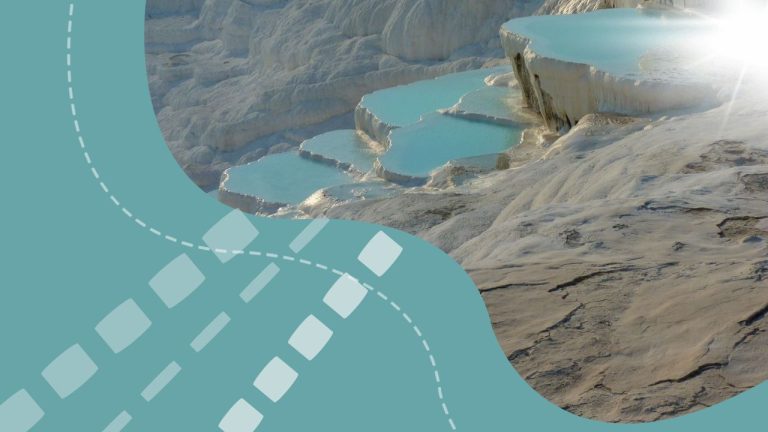
Far below the Arctic town of Kiruna, LKAB is advancing Europe’s most promising effort yet to develop a domestic rare earth supply.
Industry News
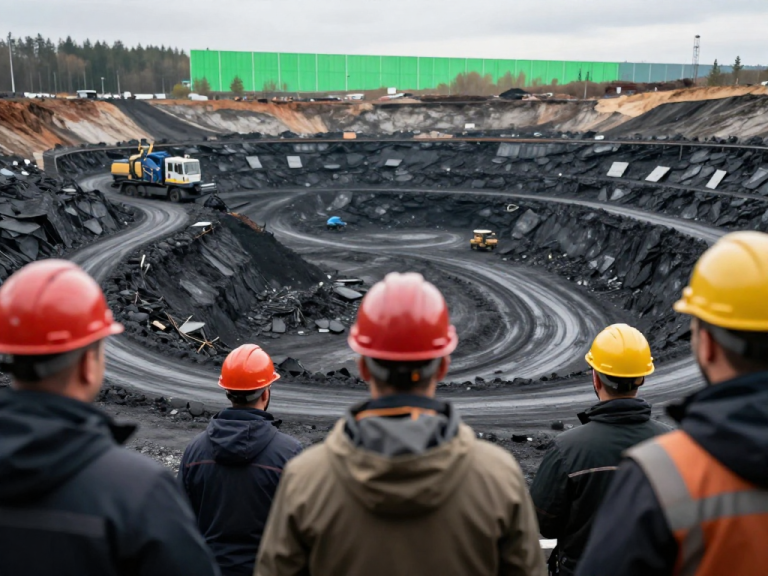
The shutdown of Mozambique’s Mozal smelter is expected to push the global aluminum market into a deeper deficit next year.

Industry News
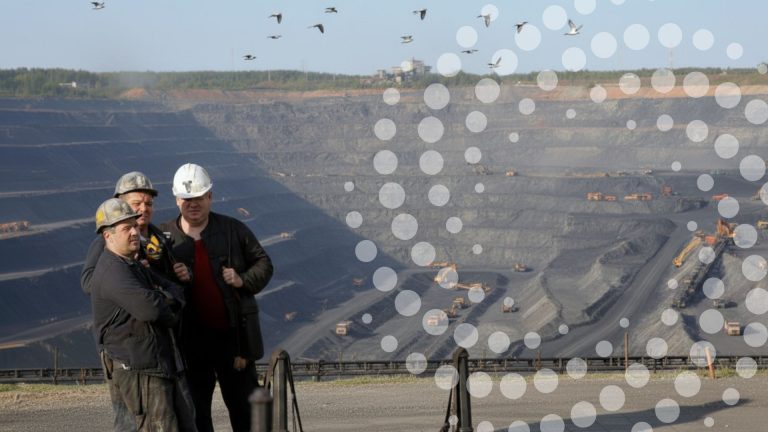
Portugal’s subsoil is drawing rising EU interest as exploration reveals potential reserves of rare earths and other critical minerals.
Companies & Organisations
The launch of the Kazakhstan–EU Gateway platform signals a deeper strategic partnership on critical raw materials between Europe and Central Asia.

Industry News
The Kazakhstan–EU Gateway platform was inaugurated in Brussels to deepen strategic cooperation on critical raw materials.

Industry News
The EU is shifting from raw-materials policy to execution, targeting a 50% cut in foreign dependence through domestic processing and recycling.

Industry News
The EU’s €3-billion REsourceEU package marks a shift from strategy to execution, with early backing for molybdenum and lithium projects aimed at strengthening Europe’s industrial resilience.