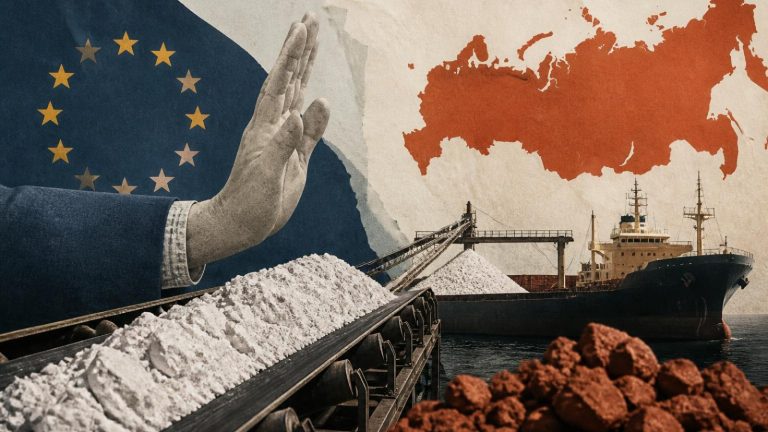
The European Union’s Carbon Border Adjustment Mechanism (CBAM), which entered its full phase this month, has begun imposing a carbon price on imports of carbon-intensive goods such as steel, iron, aluminum and cement from non-EU countries. Importers must now pay a levy equivalent to the cost of carbon allowances under the EU’s Emissions Trading Scheme, currently close to €90 per tonne.
In December, the European Commission proposed expanding CBAM to cover around 180 downstream products with a high steel or aluminum content, including car parts, machinery and construction equipment. While nickel was not included in this round, the Commission has left the door open to adding it in future updates, potentially from 2028, when the next legislative proposal is due.
Such a move could significantly benefit Canadian nickel exporters. Canada’s nickel production is relatively low-carbon, largely because of the country’s clean electricity mix, making it more competitive under CBAM compared with higher-emission producers such as Indonesia, where coal-fired power dominates.
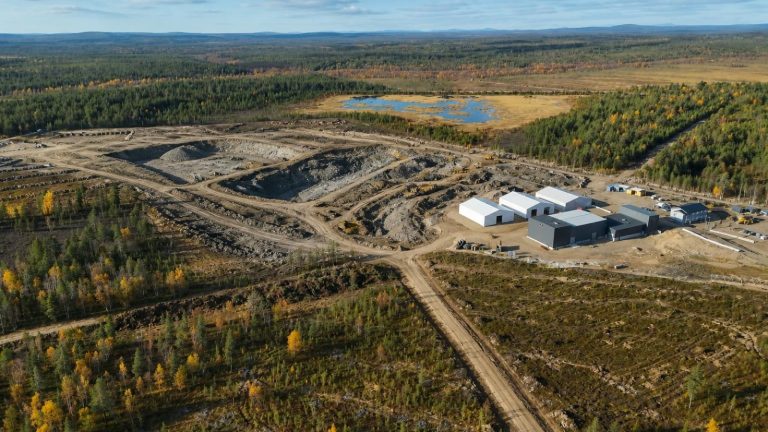
Mark Selby, chief executive of Canada Nickel, said the company already expects to benefit indirectly from CBAM through steel and alloy exports, and would gain further if nickel itself is covered. Canada Nickel is advancing the Crawford sulphide nickel project in Ontario, targeting construction by the end of 2026 and initial production of around 30,000 tonnes of nickel per year, rising to 50,000 tonnes. Europe is expected to be a key export market.
Nickel is classified as a critical raw material for the EU, essential for electric vehicles, batteries and defence applications. Europe remains highly dependent on imports, with all of its mined nickel production in 2024 coming from just two sulphide mines in Finland. Canada, the world’s sixth-largest nickel producer, already supplies the EU and could expand its market share if CBAM favours low-carbon producers.
Photinie Koustavlis of the Mining Association of Canada said a well-designed CBAM that accurately measures embedded emissions would tend to favour responsible producers. Independent analysis consistently shows Canadian nickel among the lowest in carbon intensity globally, in contrast to significantly higher emissions from some Indonesian operations.
With CBAM’s full rollout next year set to test compliance systems and reporting, exporters and importers alike will be watching closely. For Canadian nickel producers, a future expansion of CBAM could strengthen their position in a market increasingly shaped by carbon costs.