Tag: European Union

  • China Tightens Grip on Tajikistan’s Antimony Industry

    China Tightens Grip on Tajikistan’s Antimony Industry

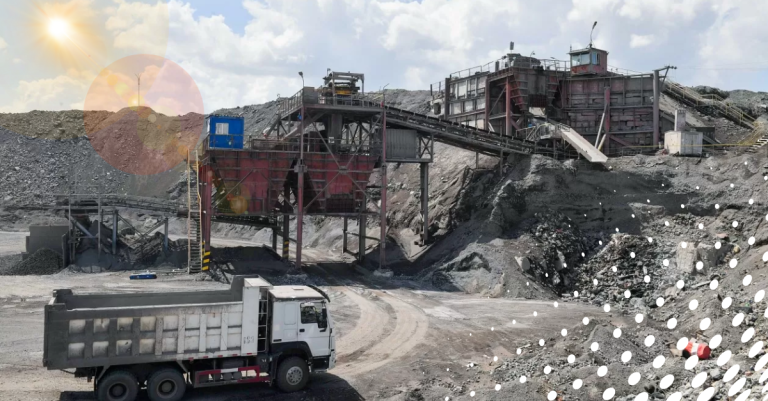
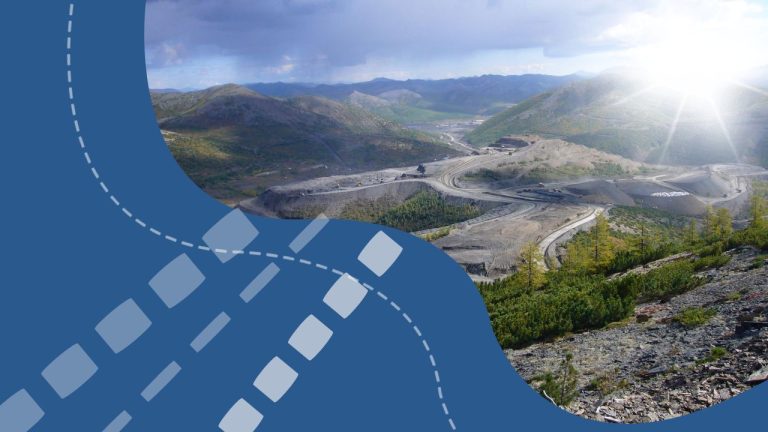
    In Tajikistan’s mountainous heartland, the Soviet-era Saritag antimony mine stands testament to China’s growing influence in Central Asia. Run by the joint venture Talco Gold, a collaboration between Tajik and Chinese companies, the mine produces over 5,000 tonnes of antimony concentrate daily, crucial for many industrial applications. The ore is crushed, ground in large drums, and then separated from the metal using chemical reagents before being dried and bagged as 30% pure antimony. This large-scale operation was made possible by a significant Chinese investment in 2022, which is now being followed by the construction of a new purification plant.

    Pictures of Tajikistan’s long-time President Emomali Rakhmon coexist with portraits of Chinese leader Xi Jinping on posters juxtaposing the country’s past with its present economic reality. While remnants of the Soviet era remain, China has overtaken Russia as the dominant power in the region’s crucial mining sector.

    The full potential of the mine is yet to be unlocked. China’s ambitious $359 million project aims to build a state-of-the-art purification plant on the site, allowing for even greater control over the antimony production chain.

    The Chinese investment, pouring in, signals a strategic move to secure access to vital resources and cement political ties. While offering much-needed economic boost to Tajikistan, it raises concerns about resource dependence and potential environmental consequences.

    This narrative paints a picture of delicate balance: economic prosperity coupled with increasing reliance on a single partner, leaving Tajikistan to navigate the complex landscape of China’s expanding geopolitical footprint in Central Asia.

  • Von der Leyen Calls for Removal of Barriers to AI and Lithium Projects in Push for EU Competitiveness

    Von der Leyen Calls for Removal of Barriers to AI and Lithium Projects in Push for EU Competitiveness

    European Commission President Ursula von der Leyen has urged the removal of obstacles hindering the growth of key sectors such as artificial intelligence start-ups and lithium processing, while also calling for stronger infrastructure and trade partnerships to boost the EU’s competitiveness.

    Speaking in Brussels at a high-level conference marking one year since the Draghi Report, von der Leyen said Europe must act urgently to close the investment gap with the United States and China. The report estimated the EU needs an additional €800 billion annually, more than 4% of its GDP, to stay competitive.

    Von der Leyen highlighted the need to strengthen the EU’s single market, noting that internal barriers currently equate to tariffs of 45% on goods and 110% on services. “An AI start-up from Portugal or Romania should be able to grow without problems across our continent, and currently this is often not the case,” she said.

    She also pointed to the importance of securing critical raw materials, citing lithium processing in Portugal as an example of initiatives that need both financial support and timely licensing. On energy, she pledged further investment in interconnections, including the Bay of Biscay project, which will double capacity between France and Spain. She announced plans for a “network package” and an “energy motorways initiative” to address eight key bottlenecks in European energy infrastructure.

    In terms of global partnerships, von der Leyen underscored the EU’s distinctive approach to resource projects, pointing to the Lobito corridor linking Angola’s copper belt as a strategic initiative. “Other powers are only interested in extraction, [but] we build local processing industries and value chains because that is how we strengthen our own security,” she said.

    She also expressed determination to secure trade agreements, including with India by year-end, as well as advancing negotiations with South Africa, Malaysia, and the UAE.

    Acknowledging the EU’s slow progress on Draghi’s recommendations — only 11.2% have been fully implemented — von der Leyen stressed the need for urgency. She also reiterated the importance of greater European independence in defence, while cautioning that such efforts “will not happen overnight.”

  • Boliden Warns of Investment Impact from Finnish Mining Tax Proposal

    Boliden Warns of Investment Impact from Finnish Mining Tax Proposal

    Boliden, the Swedish mining giant, has issued a stark warning to the Finnish government over its proposed tax reforms, which it claims will have far-reaching consequences for the EU’s critical metal supplies. The company, which owns the Kevitsa copper and nickel mine in Finland, estimates that the proposed tax hike will result in a 20-30 million euro annual increase in costs, the bulk of which is due to a quadrupling of the recently introduced Finnish mining tax.

    In a strongly worded submission to the Finnish government, Boliden argues that the proposed tax reforms are “inadequately prepared” and lack proper impact assessments, which could lead to “serious consequences” for the investment climate in Finland. The company also notes that the current proposals should be withdrawn in their entirety.

    The proposed tax hike has sparked concerns among EU policymakers, as both copper and nickel, as well as cobalt and PGMs (platinum group metals), are designated as strategic and/or critical metals by the EU. The Kevitsa mine is one of the largest producers of these metals in the EU, and any disruption to its operations could have significant implications for the bloc’s raw material supplies.

    “We understand the need for a balanced tax system, but this proposal is unacceptable,” said a Boliden spokesperson. “The increased tax burden will not only harm our business but also threaten the EU’s critical metal supplies. We urge the Finnish government to reconsider its proposal and engage in a more inclusive and evidence-based decision-making process.”

    The Finnish government is expected to make a final decision on the tax reforms in the coming weeks.

  • Greenland Approves 30-Year Molybdenum Mining Project to Supply 25% of EU Demand

    Greenland Approves 30-Year Molybdenum Mining Project to Supply 25% of EU Demand

    Greenland has granted a 30-year permit to Toronto-listed Greenland Resources for the development of the Malmbjerg molybdenum mine, marking a major step forward for EU-backed efforts to secure critical raw materials. The project, located in eastern Greenland, is expected to produce an average of 32.8 million pounds of concentrated molybdenum annually—enough to meet around a quarter of Europe’s demand for the metal.

    Molybdenum is used in aerospace, clean energy, and defense due to its strength and resistance to heat and corrosion. With China controlling around 40% of global molybdenum production and recently tightening export controls in response to U.S. tariffs, the project carries geopolitical significance.

    The Malmbjerg mine is backed by the European Raw Materials Alliance and has already secured supply agreements with major European firms, including Finland’s Outokumpu and Italy’s Cogne Acciai Speciali.

    Greenland’s mining sector is seeing increased momentum. Just last month, the country issued another exploitation licence to a Danish-French consortium, and the EU included a graphite project in Greenland among 13 new strategic initiatives aimed at bolstering mineral supply.

    Though development in Greenland has historically been slowed by regulatory hurdles and limited financing, interest from both the U.S. and EU is accelerating. The U.S. Export-Import Bank recently confirmed that a Greenland-based rare earth mine met the initial criteria for a $120 million loan.

  • Uzbekistan and EU Discuss Deeper Economic Cooperation Under Global Gateway Strategy

    Uzbekistan and EU Discuss Deeper Economic Cooperation Under Global Gateway Strategy

    The Ministry of Investment, Industry, and Trade of Uzbekistan hosted a high-level meeting with a European Commission delegation led by Pēteris Ustubs, Director for International Partnerships for the Middle East, Asia, and the Pacific. The talks focused on advancing joint initiatives and reinforcing bilateral cooperation under the EU’s Global Gateway strategy for 2017–2027, Trend reports.

    Key areas of discussion included joint projects in digital transformation, transport and logistics, and green energy development in Uzbekistan. Both sides reaffirmed their commitment to enhancing economic collaboration through strategic, sustainable investments.

    The meeting also addressed logistical and organizational preparations for two major upcoming events: the Third European Union – Central Asia Economic Forum and the Tashkent International Investment Forum. These forums, to be hosted in Uzbekistan later this year, will gather participants from countries along the Trans-Caspian Corridor and aim to boost regional economic integration and development.

  • Europe Ramps Up Strategic Moves to Secure Critical Raw Materials for Defense

    Europe Ramps Up Strategic Moves to Secure Critical Raw Materials for Defense

    As Europe faces growing geopolitical instability and mounting supply chain risks, NATO and the European Union have identified a list of critical raw materials (CRMs) vital to the continent’s defense and technological resilience. These materials are essential across all major defense sectors — land, naval, aerospace, and guided weapons — and are heavily used in sensors, communications, and weapons systems.

    According to a recent analysis by the International Institute for Strategic Studies (IISS), modern military equipment such as main battle tanks and warships depend on a range of high-risk materials, including copper, germanium, mercury, tantalum, and aluminium. While these resources are integral to advanced capabilities like infrared sights and night-vision systems, Europe remains alarmingly reliant on imports, particularly from China — the world’s top producer of many of these substances.

    The European Union has responded by accelerating domestic strategies aimed at reducing foreign dependence. The Critical Raw Materials Act, passed in 2024, focuses on boosting local extraction, refining, and recycling of key materials. Meanwhile, countries like France, Spain, and Germany are introducing tailored national initiatives. France has authorized industrial stockpiles, Spain is reinforcing supply chain frameworks, and Germany has launched a national raw-materials fund for the defense sector.

    Other European nations, including Italy, Poland, and the United Kingdom, are also preparing policies to secure access to these strategic assets, though specific defense-oriented documents are still forthcoming. Collectively, these efforts mark a shift toward greater autonomy and resilience in Europe’s defense supply chains.

  • EU Launches $13.2 Billion Investment Package for Central Asia

    EU Launches $13.2 Billion Investment Package for Central Asia

    European Commission President Ursula von der Leyen has announced the launch of a $13.2 billion investment package for the Central Asian region under the EU’s Global Gateway initiative. Speaking after the Central Asia – EU Summit held on April 4 in Samarkand, Uzbekistan, von der Leyen emphasized the region’s significant share of global reserves and Europe’s commitment to fostering local value chains for critical minerals.

    “By building local value chains, we ensure that the value created remains in the region, generating good jobs and promoting growth for both our partners and Europe,” she stated. The investment aims to align Central Asia’s natural resources and industrial potential with Europe’s sustainability goals.

    The package prioritizes sectors such as transportation infrastructure, energy transmission, and digitalization. A flagship project within this initiative is the Trans-Caspian International Transport Route, which will receive an investment of $11 billion. Additionally, the EU is working on projects to enhance water and energy security in the region, including creating a new green belt in the Aral Sea basin.

    Von der Leyen also highlighted efforts to improve internet connectivity in remote areas of Central Asia through satellite technology, stating that this year alone, 2,000 schools and numerous villages in Kazakhstan will be connected to European satellites, with plans to extend this service to 1,700 villages across the region in subsequent years.

    Another focal point of the summit was critical raw materials essential for a clean economy. The EU has signed Memoranda of Understanding with Kazakhstan and Uzbekistan regarding these minerals and has taken steps to enhance cooperation through a Joint Declaration of Intent on Critical Raw Materials.

    The inaugural summit brought together leaders from all five Central Asian countries and is viewed as a pivotal moment for establishing Brussels’ Global Gateway strategy as a competitor to China’s Belt & Road Initiative. The EU reiterated its commitment to deeper cooperation with Central Asia amid evolving geopolitical dynamics, emphasizing respect for sovereignty and territorial integrity.

    The agenda included discussions on strengthening multilateral ties, addressing shared security threats, enhancing economic cooperation, and advancing initiatives under the Global Gateway program. Key topics also encompassed energy transition, climate neutrality, connectivity, mobility, and cultural exchange.

    As economic ties between Central Asia and Europe strengthen, recent U.S. trade tariffs may further shift regional dynamics. The Trump administration’s tariffs have imposed duties on exports from several Central Asian nations while making the EU an increasingly attractive economic partner. Currently, the EU stands as Central Asia’s second-largest trading partner, accounting for 22.6% of total foreign trade in 2023 and being responsible for over 40% of foreign investment inflows into the region.

  • Ukraine’s Rare Earths: A Strategic Contest Between the US and the EU

    Ukraine’s Rare Earths: A Strategic Contest Between the US and the EU

    As Ukraine grapples with the ongoing conflict with Russia, its vast mineral resources have become a focal point in the global geopolitical landscape. The U.S. and the European Union (EU) are both eyeing these valuable reserves, especially Ukraine’s rare earths, which could play a pivotal role in strengthening their strategic autonomy and reducing dependence on foreign powers such as China.

    The Trump administration in the United States has proposed a deal to Ukraine: in exchange for continued U.S. military support against Russia’s aggression, the U.S. would secure a significant portion of Ukraine’s rare earth reserves, estimated at $500 billion. Ukraine, a candidate for EU membership, is also at the center of European strategic plans, with a 2021 agreement aimed at better integrating critical raw materials into EU supply chains. The growing competition for these minerals highlights the EU’s concerns over its current reliance on China, which supplies 98% of the rare earths imported by the union.

    A Growing Geopolitical Challenge

    In a February 2025 interview, U.S. President Donald Trump outlined his vision for securing $500 billion in Ukrainian rare earths as compensation for ongoing U.S. military assistance. Just days earlier, Ukrainian President Volodymyr Zelenskyy expressed his willingness to negotiate mineral deals with the U.S. as part of a “victory plan” against Russia, which included critical minerals. The Ukrainian government also revealed that it was negotiating deals with several Western allies, including Britain, France, and Italy, to exploit Ukraine’s critical materials.

    However, the situation is complicated by Russia’s occupation of significant portions of Ukrainian territory. According to Ukrainian officials, 20% of the country’s minerals and half of its rare earth deposits are under Russian control, while Soviet-era mineral surveys are outdated and fail to account for the economic viability of mining.

    US-Ukraine Talks: A Stalled Deal

    Efforts to formalize a deal between Ukraine and the U.S. on rare earths hit a snag at the Munich Security Conference in February 2025, when Zelenskyy rejected a proposal to hand over 50% of Ukraine’s rare earth reserves in exchange for military support. While the Ukrainian president agreed to continue talks with the U.S., he emphasized the need for more comprehensive security guarantees. Former Ukrainian Foreign Minister Dmytro Kuleba also stated that the U.S. had no legal claim to Ukraine’s minerals, which were part of a broader strategic partnership with the EU signed in 2021.

    Tensions escalated further when Zelenskyy and Trump met at the White House on February 28, 2025. A public argument ensued, and Zelenskyy was reportedly asked to leave, signaling a breakdown in negotiations. By mid-March 2025, the White House announced it had abandoned the idea of a minerals deal, shifting its focus to long-term peace initiatives instead.

    The EU’s Strategic Interest in Ukrainian Rare Earths

    The EU, for its part, sees Ukraine’s mineral wealth as a critical element in its efforts to reduce dependency on China. The EU’s Critical Raw Materials Act, adopted after Russia’s invasion of Ukraine, aims to address the vulnerabilities exposed by the conflict, particularly in sectors like electric vehicles and renewable energy, where raw materials like nickel and lithium saw significant price increases.

    Ukraine holds some of Europe’s largest reserves of essential minerals, including lithium, graphite, titanium, and rare earths such as beryllium, gallium, and uranium. These materials are critical for the EU’s green transition and technological advancement. Ukraine’s minerals could potentially help diversify the EU’s supply chains and bolster its self-sufficiency in critical raw materials, reducing reliance on authoritarian regimes.

    In 2021, the EU and Ukraine signed a strategic partnership to foster greater cooperation on raw materials, with a focus on integrating Ukraine’s mining sector into Europe’s battery value chains. However, the Ukrainian mining sector remains underdeveloped, and significant investment is required to unlock its potential. The EU is also concerned with Ukraine’s need to align its mining regulations with European standards as part of its ongoing enlargement negotiations.

    Ukraine’s Growing Role in Global Mineral Supply

    Ukraine ranks among the top 10 global suppliers of mineral resources, with its mining sector contributing approximately 10% to the country’s GDP and 33% of exports before the war. Mining income has more than doubled since the conflict began, highlighting the sector’s strategic importance. Ukraine also benefits from a skilled workforce, relatively low labor costs, and well-developed infrastructure, making it an attractive destination for mining investments.

    Experts suggest that the development of Ukraine’s mining sector, backed by either U.S. or EU support, could play a crucial role in strengthening Ukraine’s economy and defense capabilities while also contributing to Western self-sufficiency and economic security. The prospect of accessing Ukrainian resources could help democratic countries reduce their dependence on non-democratic regimes, particularly in the energy and technology sectors.

    The Road Ahead: US vs. EU Influence

    As the global competition for Ukraine’s rare earths intensifies, both the U.S. and the EU have stakes in shaping the future of Ukraine’s mining sector. While Ukraine remains a candidate for EU membership, the question remains: which power stands to benefit the most from these valuable resources? Much will depend on how Ukraine navigates its relationships with both powers, as well as the investment strategies and regulatory frameworks that will shape its mineral sector in the years to come.

    The geopolitical competition over Ukraine’s rare earths underscores the growing importance of critical raw materials in global power dynamics. As Ukraine continues to recover from the war, its vast mineral reserves could become a key asset for the EU’s quest for strategic autonomy and greater independence from external sources.

  • President Zelenskiy Reveals US Proposed “Large, Comprehensive” Minerals Deal

    President Zelenskiy Reveals US Proposed “Large, Comprehensive” Minerals Deal

    Kyiv, Ukraine – Ukrainian President Volodymyr Zelenskiy announced on 25 March that the United States has presented a significantly expanded proposal for a minerals deal, moving beyond the initial framework agreed upon last month. This development follows President Donald Trump’s recent public statement indicating an imminent agreement between the two nations.

    The new proposal comes after a previously planned deal was derailed in February following a tense exchange between Trump and Zelenskiy at the White House. While the specific details of this “large, comprehensive agreement” remain confidential, Zelenskiy confirmed that it excludes US involvement in Ukraine’s nuclear power sector, a point previously raised by Trump.

    “Previously, we had a framework agreement, followed by the development of a full agreement. Now, the American side has proposed a grand agreement right away,” Zelenskiy stated to reporters.

    A Ukrainian official, speaking to the Financial Times, clarified that while the nuclear issue was discussed, it was ultimately omitted from the current proposal. Zelenskiy had previously acknowledged discussions regarding the Zaporizhzhia nuclear power plant, Europe’s largest, currently under Russian control, but maintained that these talks did not progress further.

    A US Treasury spokesperson, in a statement to the Financial Times, reiterated, “The United States remains committed to the quick conclusion of this vital agreement and to securing a lasting peace for both Ukraine and Russia.”

    The initial framework agreement outlined a fund where Ukraine would contribute 50% of future profits from the extraction of state-owned natural resources. Reports suggest that Ukraine possesses mineral deposits valued at upwards of $10 trillion, including crucial rare earth elements used in defense and high-tech industries. However, the economic viability of these deposits is yet to be internationally validated. Ukrainian data indicates the country holds deposits of 22 of the 34 minerals identified by the European Union as critical.

    This expanded proposal signifies a potential shift in the strategic partnership between the US and Ukraine, particularly concerning critical mineral resources, amidst ongoing geopolitical tensions in the region. The full implications of this “large, comprehensive” deal are expected to unfold as further details are released.

  • Czech Republic Declares Manganese Project Crucial for Strategic Independence

    Czech Republic Declares Manganese Project Crucial for Strategic Independence

    Prague, Czech Republic – March 20, 2025 – The Czech Government has officially designated Euro Manganese’s Chvaletice manganese project as a strategic deposit under recent amendments to the Czech Mining Act, signaling the nation’s commitment to securing a reliable supply of this crucial raw material.

    This designation comes as the European Union seeks to strengthen its domestic supply chains for critical minerals, essential for electric vehicle batteries, renewable energy technologies, and various industrial applications.

    The Chromete Deposit at Chvaletice holds significant reserves of manganese, a metal vital for both the burgeoning green energy sector and traditional industries.

    “This is a significant milestone for Euro Manganese, and we appreciate the support and recognition of the importance of the Chvaletice manganese project,” said Martina Blahova, interim CEO of Euro Manganese. “This designation is a major catalyst for our development timeline and reflects the crucial role our project plays in establishing secure, sustainable raw material supply chains within the Czech Republic”.

    The strategic designation of the project is expected to significantly accelerate the permitting process with expedited approvals and streamlined bureaucracy. This will allow Euro Manganese to move forward with development more efficiently and meet the growing demand for manganese.

    Moreover, the classification unlocks access to potential state investment incentives, including grants, which will further bolster the project’s financial sustainability.

    This move signifies the Czech Republic’s proactive approach to addressing potential supply chain disruptions and securing its position in the growing global market for critical minerals.

    “The Chvaletice project is a prime example of how responsible mining can contribute to economic growth, energy independence, and the transition to a more sustainable future,” added Blahova.

    The company, which received Environmental and Social Impact Assessment approval in March 2024 and the Determination of Mining Lease permit in January 2025, is now well-positioned to bring this vital project online.