The European Union has intensified efforts to strengthen critical mineral supply chains that underpin the energy transition, but analysts warn that Europe is moving more slowly and offering weaker support than the United States, leaving it exposed to China’s dominant position in global markets.
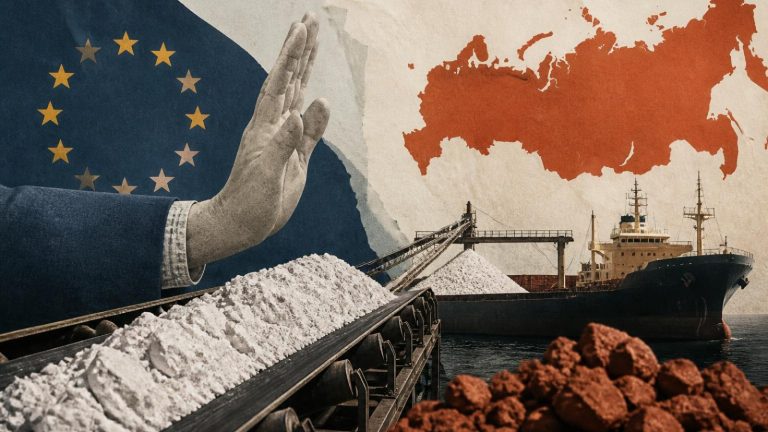
China already controls much of the global supply of solar power components and dominates processing capacity for key battery and clean energy materials, including lithium, nickel, cobalt, manganese, graphite, rare earths and permanent magnets. According to Eurostat, 95% of EU rare earth imports in 2024 came from just three countries: China, Malaysia and Russia. Data from Wood Mackenzie shows China accounts for 32% of global lithium production and controls a further 18% through overseas projects, while holding 81% of global critical minerals processing capacity.
This concentration creates significant risks for European clean energy developers, as over-reliance on a small group of suppliers increases exposure to licensing delays, export controls and sudden supply disruptions. Industry experts note that despite growing awareness among policymakers, Europe’s response remains fragmented and underpowered.
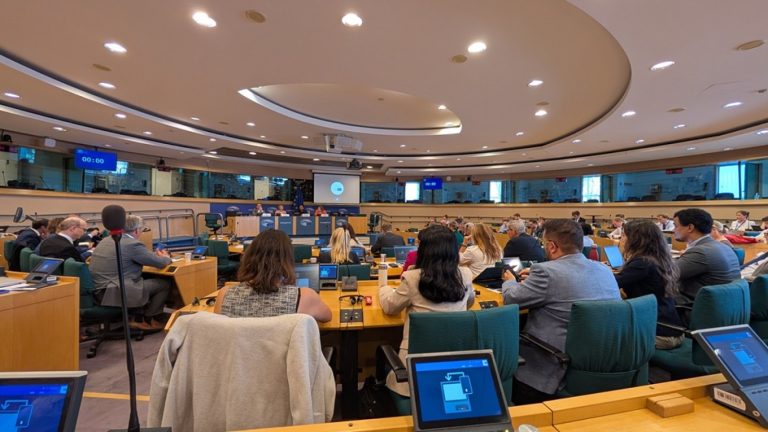
To accelerate investment, the EU adopted the ResourceEU action plan in December 2025. Backed by €3 billion from the Critical Raw Materials Act, the plan aims to expand domestic extraction and refining, promote recycling, reduce dependence on dominant suppliers, speed up permitting and restrict scrap exports. The EU has set targets to extract 10% of its critical minerals needs domestically, host 40% of processing capacity within the bloc and reach a 15% recycling rate by 2030.
However, analysts say the funding and policy tools fall short of a fully fledged industrial strategy. Investment momentum has weakened amid low commodity prices, and existing regulations have not yet made most European projects sufficiently bankable. Several high-profile projects, including the Chvaletice manganese project in the Czech Republic, have stalled due to permitting delays and grid access issues, despite being labelled strategic.
By contrast, the United States has adopted a more aggressive, security-driven approach. Through measures such as the Inflation Reduction Act, the One Big Beautiful Bill and the use of the Defense Production Act, Washington offers tax credits, grants, loans, price guarantees and offtake support to accelerate mine-to-battery and mine-to-magnet supply chains. As a result, the US is advancing diversification faster than Europe.
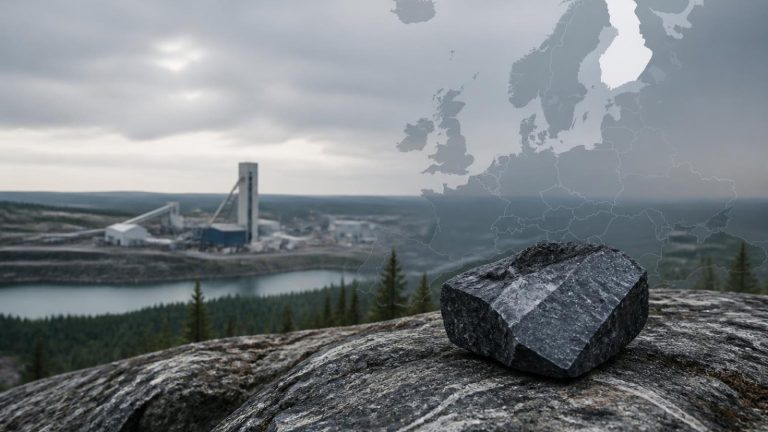
While projects such as LKAB’s rare earth and phosphorus processing plant in Sweden signal progress, experts caution that Europe’s public tools for de-risking investments remain limited compared with those of the US and China. Without stronger financial instruments, streamlined permitting and a greater focus on processing and recycling, Europe risks remaining vulnerable in the global race for critical minerals.