Tag: sustainable mining

  • Germany Bets on Ion Pump Technology to Extract Lithium Sustainably from Geothermal Brine

    Germany Bets on Ion Pump Technology to Extract Lithium Sustainably from Geothermal Brine

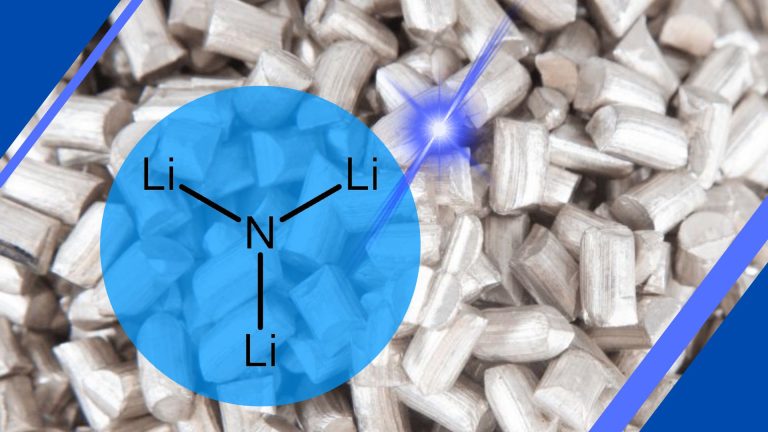
    Germany is taking a bold step toward energy independence and environmental sustainability with the launch of the “Thermion” project, aimed at extracting lithium from geothermal brine using an innovative ion pump technology. Spearheaded by the Fraunhofer Institute for Solar Energy Systems ISE and supported by the Federal Ministry for Economic Affairs and Climate Protection, the project targets lithium-rich geothermal sources in the Upper Rhine Graben—a region considered highly promising for such extraction.

    Unlike conventional lithium mining from hard rock or salt flats—which causes significant CO₂ emissions, consumes large amounts of water, and damages local ecosystems—this method offers a clean alternative. The ion pump selectively captures lithium from thermal water extracted from depths of 3 to 5 kilometers, with the brine subsequently returned to its source almost unchanged. This closed-loop process not only conserves resources but also avoids chemical contamination and landscape disruption.

    The Thermion project will focus on both scientific evaluation of regional lithium reserves and the development of a scalable, efficient extraction process. Operating at 15 to 20 bar and 70°C within existing geothermal power systems, the ion pump enhances economic viability by utilizing dual infrastructure for both energy and lithium production.

    Backed by €2.6 million in government funding, the three-year initiative also envisions the future extraction of other valuable minerals such as cesium, rubidium, and cobalt. If successful, it could significantly reduce Germany’s dependence on lithium imports from countries like Australia and China, strengthen its battery production sector, and help meet growing demand for this critical mineral—expected to rise six-fold by 2030.

    However, challenges remain. To make geothermal lithium extraction a competitive and scalable solution, quicker project approvals and improved cost efficiency are essential. Public support will also be crucial, necessitating transparent communication and community engagement. With legislative support like the proposed Geothermal Acceleration Act, Germany could set a global example for clean, local resource extraction integrated with renewable energy.

  • European Commission Launches Critical Raw Materials Facility to Strengthen Supply Chains and Reduce Dependencies

    European Commission Launches Critical Raw Materials Facility to Strengthen Supply Chains and Reduce Dependencies

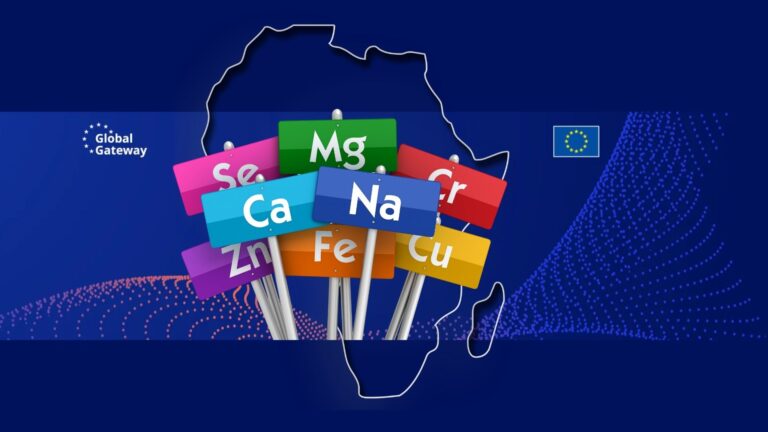
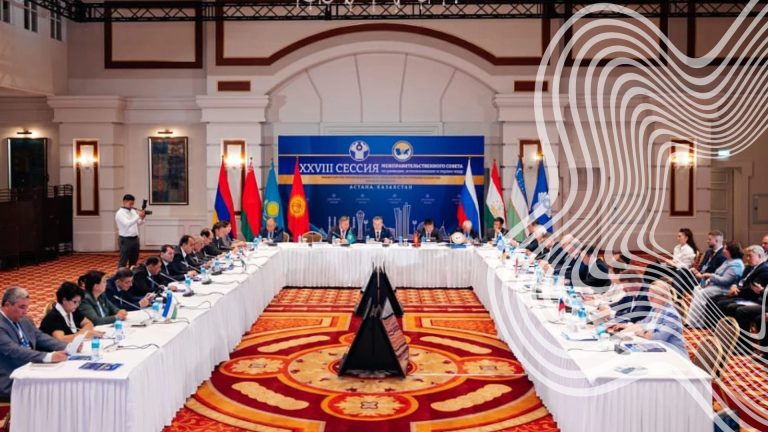
    The European Commission has awarded EIT RawMaterials and InnoEnergy a groundbreaking new project, the Critical Raw Materials (CRM) Facility, aimed at bolstering Europe’s supply chains, reducing dependencies, and mitigating disruption risks. Coordinated by EIT RawMaterials, the initiative seeks to build a resilient and sustainable supply of critical raw materials such as lithium, cobalt, nickel, and manganese by strengthening global partnerships and advancing international projects to diversify Europe’s raw materials sources.

    Bernd Schäfer, CEO and Managing Director of EIT RawMaterials, emphasized the importance of the project, stating, “Securing a stable supply of critical raw materials is not just vital for Europe’s industrial competitiveness—it is essential for European security. As we race toward 2030, we must turn ambition into action.” He highlighted that resilient supply chains require strong global partnerships and expressed pride in leading the initiative, leveraging EIT RawMaterials’ expertise in mining, recycling, and advanced materials.

    A dedicated team from EIT RawMaterials and InnoEnergy will identify and assess CRM projects in regions including Africa, Latin America, Central and Southeast Asia, Southeastern Europe, and Greenland. These projects will be evaluated for their strategic value to Europe and opportunities for mutually beneficial partnerships between host communities and European industries.

    Baptiste Buet, Director of the EU Business Unit at InnoEnergy, noted, “A value chain is only as strong as its weakest link. For batteries, securing sustainable raw materials is critical to the success and stability of a rapidly developing European industry.” He added that while domestic mining, refining, and recycling are essential, the CRM Facility underscores Europe’s commitment to securing global resources for battery cell manufacturers.

    The CRM Facility will also focus on developing mid-to-downstream mineral value chains in partner countries and delivering specialized training programs to equip professionals with expertise in CRM management, operations, and sustainable practices.

  • Euromines President Stresses Balance Between EU Climate Goals and Industrial Competitiveness

    Euromines President Stresses Balance Between EU Climate Goals and Industrial Competitiveness

    At the Strategic Dialogue on Steel, hosted by European Commission President Ursula von der Leyen, Euromines President Jan Moström (LKAB) underscored the need to balance EU climate ambitions with industrial competitiveness. Speaking at the event, Moström highlighted key priorities for ensuring a sustainable and resilient steel sector in Europe.

    He emphasized that electric arc furnace (EAF) steelmaking powered by low-carbon electricity is the future of decarbonization. To build resilient value chains, he stressed the necessity of combining scrap and direct reduced (DR) pellets, while also acknowledging the scarcity of high-grade iron ore.

    Moström also called for a robust Omnibus permitting framework to unlock sustainable raw materials and boost renewable energy capacity. Additionally, he urged the EU to implement an Affordable Energy Action Plan, advocating for electricity market reform to curb volatility and attract investment.

    For Europe’s clean industrial future, securing affordable, fossil-free electricity and reliable raw materials is essential to maintaining a competitive and resilient minerals mining industry.

  • Energy Minister Bozhinovska Highlights Safety and Innovation at SASA Lead-Zinc Mine

    Energy Minister Bozhinovska Highlights Safety and Innovation at SASA Lead-Zinc Mine

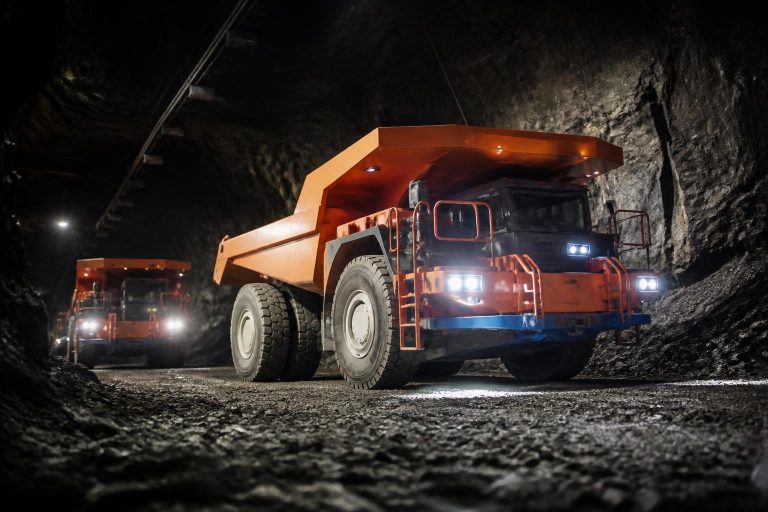
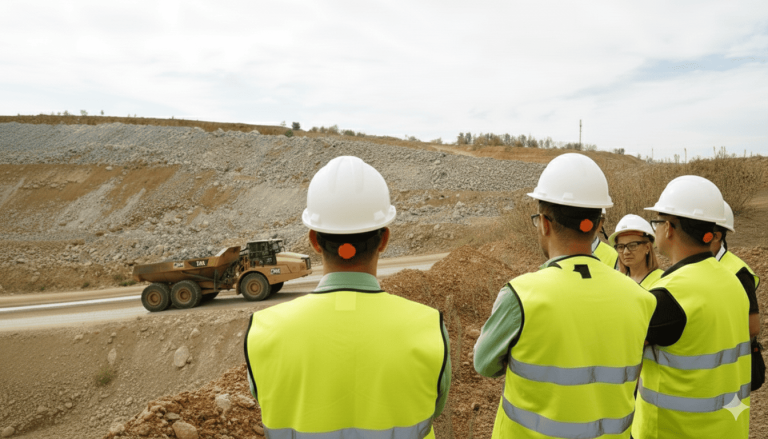
    Minister of Energy, Mining, and Mineral Derivatives Sanja Bozhinovska visited the SASA mine, the nation’s largest underground lead and zinc mine, producing 800,000 tons of ore annually. Bozhinovska commended the mine’s sustainable practices and focus on innovation during discussions with its management.

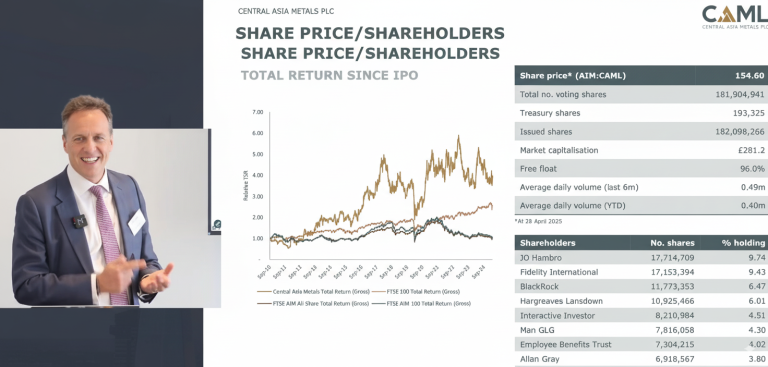
    The SASA mine employs 770 local residents and has contributed over 85 million dinars in taxes over six years, aiding national development. General Manager Christopher Colburn noted $80 million invested in safety, modernization, and digitalization since joining Central Asia Metals. Bozhinovska toured the underground corridors, engaging directly with workers and emphasizing safety improvements.

    This visit forms part of the minister’s broader initiative to engage with key mining and energy sectors under her ministry’s oversight.

  • UK and Saudi Arabia Strengthen Collaboration in Mining for Critical Minerals

    UK and Saudi Arabia Strengthen Collaboration in Mining for Critical Minerals

    Saudi Arabia and the UK have formalized a partnership to address growing global demand for critical minerals essential for AI, green energy, and advanced technologies. The agreement, signed during the Future Minerals Forum, emphasizes sustainable mining, technology transfer, and joint investments.

    UK Industry Minister Sarah Jones highlighted Britain’s expertise in mining finance and research, positioning it as a key partner. Both nations are exploring projects in Africa and initiatives in the UK, such as Cornwall’s lithium and tin mining. Efforts focus on ethical and sustainable practices to meet mineral demands while addressing environmental and societal concerns.

    This collaboration reflects a proactive UK strategy under Prime Minister Keir Starmer, prioritizing supply chain security and global cooperation to support industries critical to the green transition and technological progress.

  • Ukraine and USA Partner on Critical Minerals Supply Chain Cooperation

    Ukraine and USA Partner on Critical Minerals Supply Chain Cooperation

    The governments of Ukraine and the United States have signed a Memorandum of Understanding (MoU) to enhance cooperation in the critical minerals sector, focusing on strengthening supply chains for energy, national security, and economic development.

    Ukraine holds 23 of the 50 critical minerals identified by the United States as essential. These minerals, including titanium and lithium, require significant investments and advanced environmentally friendly technologies for exploration, extraction, and processing.

    Under the MoU, both nations will exchange information and expertise on best practices to boost the competitiveness of the mining sector. The agreement aims to attract investment in the exploration, extraction, processing, and recycling of critical minerals, adhering to ESG standards. It also supports the development of safe, sustainable, and responsible supply chains to serve global markets.

    The United States will promote investment opportunities in Ukraine’s mining projects among US companies and the Minerals Security Partnership Forum. Success will depend on Ukraine’s ability to implement key measures, including free access to mineral reserve data, international bidding rounds, access to detailed mining business opportunities, and the creation of financial and economic incentives.

    This collaboration positions Ukraine as a potential hub for critical mineral development, advancing global efforts in securing sustainable mineral resources.

  • Vulcan Energy to Begin Large-Scale Lithium Production in Germany by 2027

    Vulcan Energy to Begin Large-Scale Lithium Production in Germany by 2027

    Vulcan Energy Resources, a company focused on producing sustainable lithium, has announced its goal to begin large-scale lithium hydroxide production in Germany by 2027, after pushing back its timeline by two years. The company recently commenced operations at its lithium chloride demonstration plant in Landau and aims to produce 24,000 tons of lithium hydroxide annually—enough to support 500,000 electric vehicles. CEO Christian Freitag cited the extended financing process as a factor in the delay, with Vulcan now raising €1.9 billion. Funding will include over €600 million in equity and €1.3 billion in loans from multiple sources, including a €500 million commitment from the European Investment Bank.

    This production marks a significant step for Europe’s energy goals, helping reduce dependence on lithium imports from China and South America. Vulcan’s extraction method, powered by geothermal energy, aligns with Germany’s goal for a low-carbon lithium source to support the EV sector’s growing demand. Vulcan has already sold its first decade’s production through agreements with major automotive manufacturers like Volkswagen, Stellantis, and Renault, underscoring the anticipated demand surge in Europe for lithium-ion battery components.

  • Uzbekistan Partners with Tethys for Strategic Mining and Technology Development

    Uzbekistan Partners with Tethys for Strategic Mining and Technology Development

    Uzbekistan’s UzTMK signed a strategic agreement with Tethys Trans-Eurasian Gateway, aimed at enhancing the nation’s mining and industrial capabilities. The deal covers mining lifecycle improvements, focusing on critical raw materials such as tungsten, lithium, and rare earth elements, with sustainable methods and high-value production. Tethys committed $30 million to back these initiatives. Partnerships with Istanbul Technical University and MEXT will also provide technology and training for green and efficient mining practices.

  • EU Faces Challenges in Critical Raw Material Strategy Amid Global Race for Supply Chain Resilience

    EU Faces Challenges in Critical Raw Material Strategy Amid Global Race for Supply Chain Resilience

    While the Brussels Effect has driven strict regulatory standards for Critical and Strategic Raw Materials (CSRM), Europe may risk falling behind other global players in building a resilient supply base. An analysis by the French Institute of International Relations (Ifri), a Paris-based think tank, evaluates European de-risking policies in the context of international concerns over reliance on a few key suppliers, particularly China.

    China’s export controls on materials like germanium, gallium, and rare earths underscore the risk of critical dependencies as a geopolitical tool. In response, OECD countries are emphasizing national security, strategic autonomy, and the governance of CRM supplies. The EU and the United States have taken steps to diversify their supply chains. The EU’s Critical Raw Materials Act (CRMA), part of the Green Deal, emphasizes sustainability and autonomy, while the US focuses on national security through investments like the Development Finance Corporation (DFC). Japan began addressing CRM dependencies as early as 2010.

    To counterbalance China’s Belt and Road Initiative, the EU and US have increased CRM partnerships since 2021. However, Ifri’s analysis stresses the need for these partnerships to yield immediate, tangible results. Countries in the Middle East are also integrating into CRM value chains, while resource-rich developing nations seek to retain more local value through processing and manufacturing.

    Despite progress, the EU faces financial constraints and public opposition, threatening its strategic CRM goals. According to Ifri, without external financing, Europe risks lagging behind global players such as the US, Japan, and the Middle East in developing a secure CRM base. The race for lithium, nickel, and rare earth elements (REEs), crucial for green energy goals, is reshaping geopolitics and intensifying international competition.

    To meet its target of extracting 10% of annual CRM demand by 2030, the EU must expand its mining and refiningcapabilities. The bloc requires at least ten new mines, 15 processing plants, and 15 recycling facilities by 2030, according to EIT RawMaterials. Public opposition, however, remains a significant obstacle. Sustainable mining expert Peter Tom Jones calls for public education to support modern, eco-friendly mining practices that prioritize environmental, social, and governance (ESG) standards. Nordic countries are seen as a model, with Jones stressing the importance of local CRM mining to reduce reliance on less sustainable sources abroad.

    Jones envisions a future where mining is safe, climate-neutral, and engages local communities as stakeholders. He describes a modern mine worker as one who operates high-tech machinery remotely, symbolizing the shift toward automated, climate-conscious mining that reduces traditional environmental impacts.

  • A 150-Year-Old Lithium Discovery in Cornwall Could Revolutionize the Energy Industry

    A 150-Year-Old Lithium Discovery in Cornwall Could Revolutionize the Energy Industry

    A groundbreaking discovery made 150 years ago in Cornwall, UK, is making headlines again. Back in the 19th century, a large amount of dissolved lithium was found in a hot spring approximately 450 meters underground. At the time, this mineral had little to no value, and its potential was largely ignored. However, in today’s world, where lithium is more valuable than petrol, this discovery is proving to be a game-changer.

    The geothermal lithium deposit found in Cornwall is now recognized as one of the largest in the world. The underground hot springs contain an astonishing concentration of lithium, ranging from 8 to 10 times higher than that found in other hot springs currently being exploited. This mineral has become crucial in the energy transition, as it is a key component in the manufacturing of batteries for electric cars, mobile phones, and computers.

    Interest in this geothermal lithium deposit resurfaced in autumn 2020 due to its significance in the modern energy landscape. Unlike conventional lithium, which is extracted from brine deposits in dry lake beds or hard rock mines, geothermal lithium is found in a hot, saline brine that passes through heated rocks, absorbing various elements including potassium, boron, and lithium.

    Mining companies such as Cornish Lithium and Geothermal Engineering are at the forefront of exploring and exploiting this valuable resource. They plan to use cutting-edge techniques like Direct Lithium Extraction (DLE), a method developed by companies in Germany, the United States, and New Zealand. This process uses ion exchange resin or nanofiltration techniques to selectively extract lithium chloride from the brine, which is then treated to produce lithium hydroxide, a key material for battery production.

    This method of lithium extraction is not only more sustainable and environmentally friendly but also has a significantly lower carbon footprint compared to traditional methods. While conventional lithium extraction, primarily from Argentina, Chile, and Australia, remains cheaper, it comes with substantial environmental costs. For every tonne of lithium produced using conventional methods, more than 15 tonnes of greenhouse gases are emitted, vast amounts of water are permanently polluted, and large tracts of land are disturbed.

    In conclusion, the once-overlooked lithium deposit in Cornwall is now recognized as a mineral resource far more valuable than oil. Its extraction using sustainable methods could play a pivotal role in the global shift towards cleaner energy.