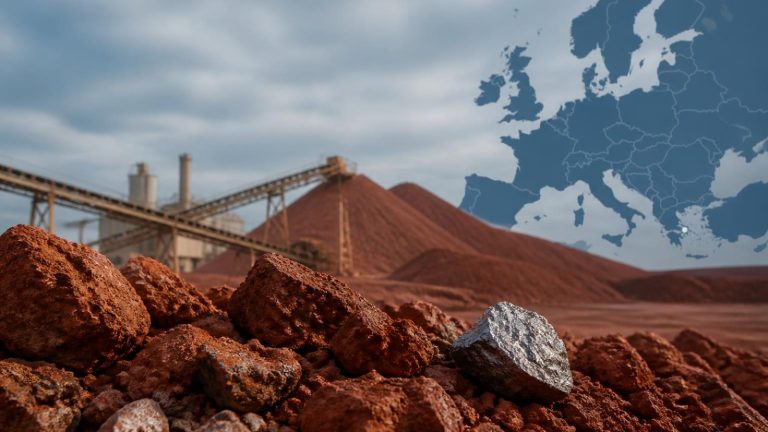
As the European Union accelerates its green and industrial transitions, securing reliable access to critical raw materials has become a strategic imperative. The continent faces significant supply chain vulnerabilities, with China controlling approximately 70% of global mineral processing and refining capacity. Global demand for lithium alone is projected to surge by more than 350% by 2040, intensifying competition among major economies for secure sources. The European Critical Raw Materials Act represents the EU’s comprehensive response to these challenges, with Africa emerging as a central pillar of the bloc’s diversification strategy.
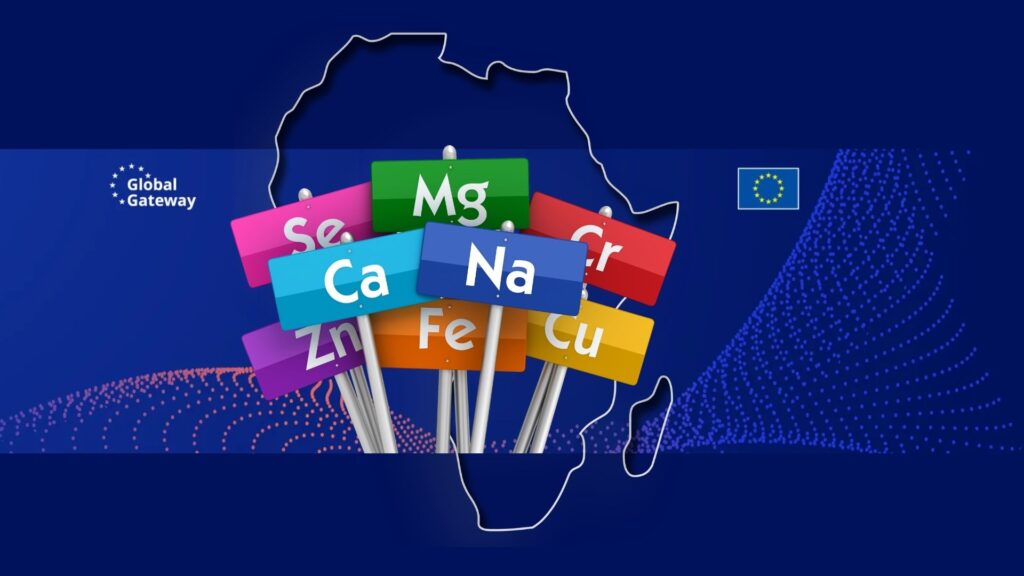
The EU has already established critical minerals partnerships with several African nations, including South Africa, Rwanda, Namibia, the Democratic Republic of the Congo, and Zambia, backed by substantial financing commitments through the Global Gateway initiative, which aims to mobilise €300 billion in public and private investments. However, current cooperation frameworks remain heavily focused on extraction rather than value-added activities such as processing and manufacturing. This approach creates tension with sustainability objectives and fails to deliver the mutual economic benefits that African governments increasingly demand. Mining operations risk driving deforestation, water and soil pollution, whilst their substantial energy requirements may divert critical resources from domestic electrification in a region where approximately 600 million people lack access to affordable energy.
To achieve genuine supply chain diversification and ensure commercially viable partnerships, the EU must fundamentally reshape its approach. This requires closing coordination gaps across fragmented EU and member state initiatives, introducing demand aggregation and non-price public procurement criteria, and expanding circular economy cooperation including battery recycling and mine tailings reprocessing. Critically, the EU should adopt phased public-private partnership models that combine upfront infrastructure investment with binding commitments to mining, processing and refining activities. Development cooperation must be aligned with critical mineral initiatives to strengthen local infrastructure, skills and regulatory capacity. Long-term purchasing and offtake agreements for processed or refined minerals, coupled with robust environmental, social and governance safeguards and meaningful community engagement, are essential to prevent the perpetuation of the resource curse and ensure that African countries derive tangible, lasting benefits from their mineral wealth.