Tag: renewable energy

  • China Tightens Grip on Tajikistan’s Antimony Industry

    China Tightens Grip on Tajikistan’s Antimony Industry

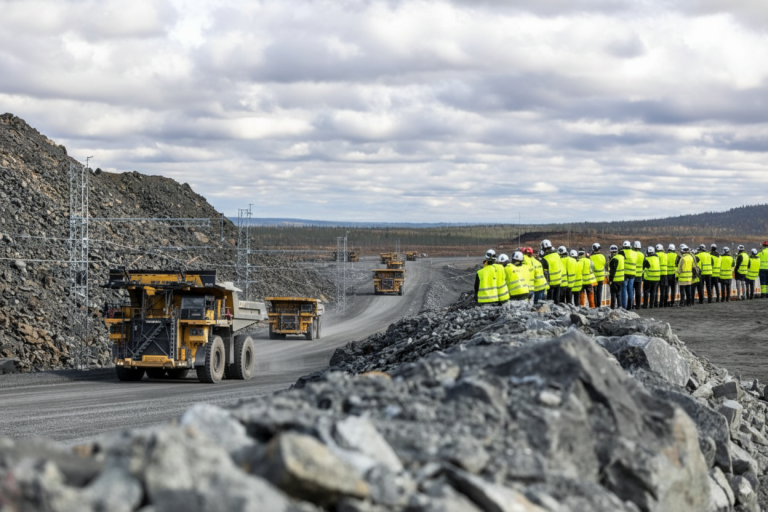
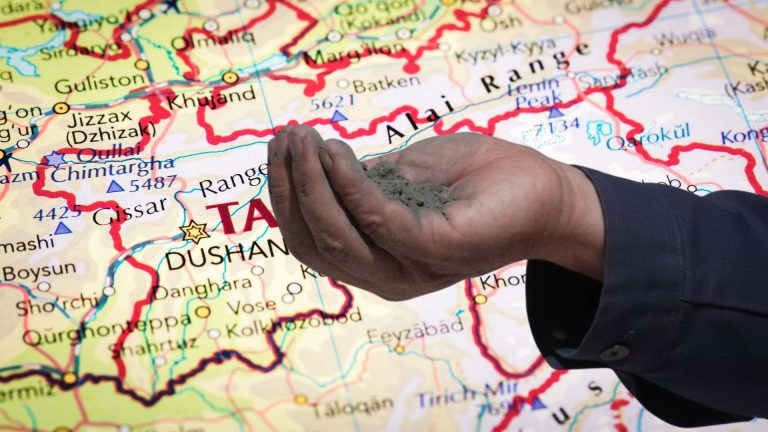
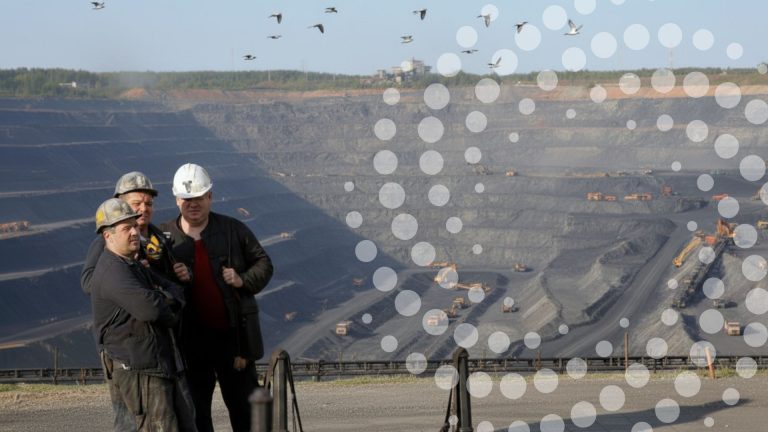
    In Tajikistan’s mountainous heartland, the Soviet-era Saritag antimony mine stands testament to China’s growing influence in Central Asia. Run by the joint venture Talco Gold, a collaboration between Tajik and Chinese companies, the mine produces over 5,000 tonnes of antimony concentrate daily, crucial for many industrial applications. The ore is crushed, ground in large drums, and then separated from the metal using chemical reagents before being dried and bagged as 30% pure antimony. This large-scale operation was made possible by a significant Chinese investment in 2022, which is now being followed by the construction of a new purification plant.

    Pictures of Tajikistan’s long-time President Emomali Rakhmon coexist with portraits of Chinese leader Xi Jinping on posters juxtaposing the country’s past with its present economic reality. While remnants of the Soviet era remain, China has overtaken Russia as the dominant power in the region’s crucial mining sector.

    The full potential of the mine is yet to be unlocked. China’s ambitious $359 million project aims to build a state-of-the-art purification plant on the site, allowing for even greater control over the antimony production chain.

    The Chinese investment, pouring in, signals a strategic move to secure access to vital resources and cement political ties. While offering much-needed economic boost to Tajikistan, it raises concerns about resource dependence and potential environmental consequences.

    This narrative paints a picture of delicate balance: economic prosperity coupled with increasing reliance on a single partner, leaving Tajikistan to navigate the complex landscape of China’s expanding geopolitical footprint in Central Asia.

  • Kazakhstan Targets Economic Growth with Rare-Earth Expansion and SEZ Reforms

    Kazakhstan Targets Economic Growth with Rare-Earth Expansion and SEZ Reforms

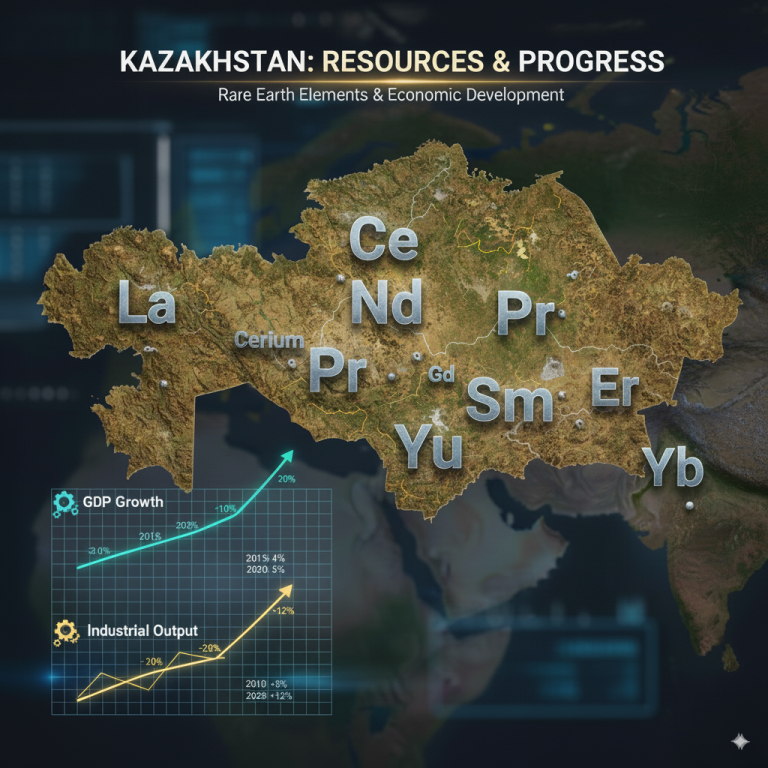
    Kazakhstan is launching a comprehensive strategy to boost economic growth by strengthening special economic zones (SEZs) and expanding rare-earth metal production, as announced by Industry and Construction Minister Yersayin Nagaspayev during a government meeting chaired by Prime Minister Olzhas Bektenov

    To improve SEZ efficiency, the government will conduct a comprehensive review of their performance and strengthen monitoring mechanisms to ensure investors fulfill their obligations. The country also plans to introduce a framework for foreign companies to manage certain SEZs, while local authorities will intensify efforts to attract new investors.

    In addition to SEZs, the government has identified rare-earth metal production as a key area for development. Kazakhstan plans to implement at least three major projects in this field, focusing on the production of battery materials, recycling and manufacturing heat-resistant alloys for jet engines, developing semiconductor components, and reprocessing permanent magnets.

    The country has already established strategic partnerships with leading players from the European Union, the United States, Japan, South Korea, and China. Upcoming projects include the launch of gallium production with an annual capacity of 15 tons, the manufacturing of high-purity manganese sulfate, and the production of graphite for battery components.

    Kazakhstan is also taking significant steps to modernize its geological exploration and mapping. A next-generation geological map will be developed using advanced digital tools, with project preparations already underway and fieldwork scheduled to begin in 2026. The government has allocated funding for new surveying methods, including aerogeophysics, geochemistry, spectral imaging, and high-resolution satellite data analysis.

    Furthermore, the country is introducing a unified digital platform to consolidate all processes related to construction and housing management. The platform will be introduced by the end of 2025 and is expected to enhance efficiency and transparency in the sector.

    The reforms are part of Kazakhstan’s efforts to diversify its economy and reduce its dependence on oil exports. The country aims to become a major player in the global rare-earth market and to attract foreign investment in its SEZs.

  • Polish Coal Sector Faces Financial Strain Amid Energy Transition

    Polish Coal Sector Faces Financial Strain Amid Energy Transition

    Poland’s coal mining sector has reduced its losses since last year but still needs billions of złoty in state support to survive, according to Polish media.

    In the first half of 2025, the sector made a net loss of 4.059 billion złoty (€950 million), Industrial Development Agency data show, less than half of the 8.365 billion złoty (€1.97 billion) lost in the first six months of 2024. Over the whole of 2023, Polish coal mining turned a net profit of 4.8 billion złoty (€1.13 billion).

    Despite the improved performance, the industry needs shoring up from the state budget due to rising costs and falling output, one trade union leader told the wnp.pl business news site. Bogusław Ziętek, head of the Sierpień 80 miners’ union, said the high costs are a result of government policy.

    As part of its ‘green transition’ policy of diversifying energy production away from fossil fuels and toward renewables, the government has capped coal extraction. This year’s output is equal to that forecast for 2035, and this falling yield has pushed up the production price per ton, Ziętek said. Because of this, he argues, the government’s energy policy will cost the state billions.

    Polish online energy portal Wysokie Napięcie reports that the government has earmarked over 9 billion złoty (€2.12 billion) to support collieries in 2025, made up of 3.5 billion złoty (€820 million) in direct subsidies and up to a further 5.4 billion złoty (€1.27 billion) in loans.

    A ‘social agreement’ between the government and miners’ unions officially allocates around 29 billion złoty (€6.82 billion) for subsidies to unprofitable mining firms until 2031, though some sources have suggested the true cost may be as high as 42 billion złoty (€9.88 billion).

  • Eurasian Resources Group Launches Major Wind Farm in Kazakhstan

    Eurasian Resources Group Launches Major Wind Farm in Kazakhstan

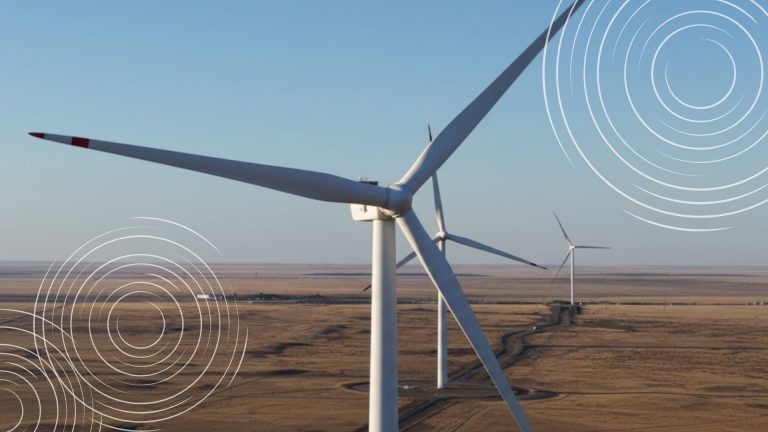
    Eurasian Resources Group (ERG), a global metals and mining company headquartered in Luxembourg, has opened the Khromtau wind farm in Kazakhstan with a capacity of 150 megawatts of green energy. The project is one of the largest renewable energy facilities in Kazakhstan and Central Asia and required an investment of more than US$142 million. The wind farm is located in the Aktobe Region and includes 24 turbines. The facility will generate more than 500 million kilowatt hours of green energy annually. All in all, the facility will help reduce up to 440,000 tonnes of carbon dioxide emissions and save more than 300,000 tonnes of coal each year. The project has been implemented by ERG Capital Projects, a Group subsidiary, with financial support from the Development Bank of Kazakhstan.

    During the opening ceremony of this critical green energy project, Shukhrat Ibragimov, CEO and Chairman of the Board of Directors of ERG, said: “With its Khromtau wind power project, the Group makes a major contribution towards achieving Kazakhstan’s national goal of increasing the share of renewable energy sources. ERG is committed to ESG principles, and the new Khromtau wind power farm is a logical and very ambitious next step while implementing this. ERG’s first wind power project has already become a symbol of our transition to green energy.”

    The ESG Agenda is part of the company’s Strategy. The Group’s medium-term goal is to reduce the carbon footprint of its core products (aluminium, ferroalloys and iron ore pellets) by 30%. To achieve this, ERG is implementing projects with cumulative investments totalling US$300 million. In addition to wind power, these projects include switching the Kacharsky heating centre to gas in the Iron Ore Division, reducing steam consumption and improving the alumina production process in the Aluminium Division, and building a ferroalloy gas recycling power facility at the Aktobe Ferroalloys Plant to convert secondary energy resources into electricity.

  • Leaked French Energy Roadmap Signals Shift Toward Nuclear, Delays Renewable Targets

    Leaked French Energy Roadmap Signals Shift Toward Nuclear, Delays Renewable Targets

    A document published Friday by the newly formed Fédération Nationale de l’Énergie Solaire (FNES) reveals the French government’s intention to pivot heavily toward nuclear power while delaying solar and wind deployment targets. Though not officially released, the document was dated today and appeared on LinkedIn, suggesting the roadmap may be imminent.

    According to the statement, the government plans to “increase nuclear development targets” and raise operational availability for existing nuclear reactors. While it does not specify the number of new nuclear units, the roadmap must align with France’s energy programming bill currently under parliamentary debate, which includes 27 GW of new nuclear capacity by 2050.

    At the same time, renewable energy goals are being scaled back or postponed. Targets for solar, onshore wind, and offshore wind have been delayed, citing “lower-than-expected power demand in recent years” and the desire to “optimise industrial returns for French manufacturers.” A draft version of the roadmap from March aimed for 65–90 GW of solar by 2035, along with 40–45 GW of onshore wind and 18 GW of offshore wind.

    Significantly, the leaked document notes the roadmap could still be revised to reflect the final outcome of the energy programming bill, set for a second reading in the National Assembly in September.

    The bill has stirred political controversy. In June, the lower house rejected it after divisive amendments, including a proposed moratorium on new wind and solar projects. The Senate later passed a revised, nuclear-heavy version in July. Critics warn that prematurely releasing the roadmap could inflame tensions, particularly among right-wing MPs who view early publication as a breach of legislative protocol.

    French energy minister Marc Ferracci recently told Sud Radio the decision to publish rests with the Prime Minister: “I’m hoping it happens quickly – our nuclear and renewables sectors need visibility,” he said.

  • Ferrexpo Named One of Europe’s Climate Leaders 2025 for Third Consecutive Year

    Ferrexpo Named One of Europe’s Climate Leaders 2025 for Third Consecutive Year

    Ukrainian iron ore pellet producer Ferrexpo has once again been recognized among Europe’s Climate Leaders, appearing on the 2025 list compiled by the Financial Times and Statista. This marks the third consecutive year that Ferrexpo has been included, underscoring its leadership not only in iron ore production but also in climate-conscious industrial practices.

    The Europe’s Climate Leaders ranking highlights companies that have achieved the most substantial reductions in greenhouse gas emissions intensity — measured by emissions per unit of revenue — between 2018 and 2023. Ferrexpo ranked in the top quartile of its sector, a notable achievement for one of Ukraine’s most resilient industrial players amid ongoing national challenges.

    A key driver of Ferrexpo’s success has been its Green Mine program, which includes initiatives such as electrifying mining equipment, introducing trolley-assist systems, and using battery-powered locomotives. These efforts have helped the company cut gas consumption by 30% since 2015 through biofuel adoption and launch a 5 MW solar power plant in 2021.

    Looking ahead, Ferrexpo plans to invest $3.3 billion in decarbonization efforts by 2050. Part of this strategy includes building an additional 10.8 MW solar facility to support the company’s energy needs. Ferrexpo’s commitment places it among the few Eastern European companies actively aligning with global climate and sustainability goals.

  • EU Urged to Prioritise ESG in Central Asia’s Raw Materials Push

    EU Urged to Prioritise ESG in Central Asia’s Raw Materials Push

    The EU must prioritize Environmental, Social, and Governance (ESG) principles in its dealings with Central Asia to secure its access to crucial raw materials, commentators warn.

    The bloc arrived in Samarkand this April with a hefty €13.2 billion Global Gateway package, signaling a desire to move beyond merely buying raw materials from the region. A significant portion, €2.5 billion, is earmarked for new mining and processing projects in Kazakhstan, Uzbekistan, and beyond. This drive is born out of necessity: the EU still relies entirely on China for its heavy rare-earth imports and faces the growing risk of vulnerability.

    While geographically late to the game, Europe has a unique advantage: a reputation for robust ESG practices. Local executives cite European partners as “a sign of quality” due to their unwavering adherence to these standards, something often lacking in Chinese or Russian counterparts. However, this edge relies on Brussels consistently embedding ESG into every euro invested. This means robust monitoring and auditing of remediation plans, transparent royalty structures, and genuine upfront consultation with local communities.

    The EU’s Critical Raw Materials Act (CRMA) sets ambitious goals: attaining 10 percent mining, 40 percent processing, and 25 percent recycling of Europe’s annual CRM demand domestically or in trusted partner states by 2030.

    Realising these goals in Central Asia necessitates investment in sustainable technologies. This includes financing water-efficient processing plants, closed-loop waste systems, and solar-powered smelters, rather than simply opening more exploitative mines.

    The EU’s efforts are beginning to take shape, with the spotlight falling on graphite. Kazakhstan’s Sarytogan deposit has been placed on the EU Commission’s list of “strategic projects” eligible for expedited permits and loan guarantees under the CRMA. Meanwhile, the European Bank for Reconstruction and Development has taken a significant stake in the mine operator, marking a direct investment in the region’s CRM sector. The EU is now actively seeking downstream investors to refine indigenous graphite into anode-grade product, capturing added value that historically flowed to Chinese refiners.

    Lithium development is following a similar trajectory. A partnership between HMS Bergbau and Kazakhstan’s Creada Corporation aims to unlock the potential of Kazakh spodumene through extraction, processing, and refining into battery-ready lithium hydroxide. This would be a direct response to the EU’s new battery-passport regulations, which require materials of a certain purity.

    However, Europe faces a formidable competitor: China. The PRC Mineral Resources Law mandates environmental remediation planning before mining commences, setting a new baseline for responsible resource extraction. While welcomed, the application details remain vague, lacking guarantees on local community engagement and enforcement mechanisms, potentially creating loopholes for exploitation.

    Adding to the pressure, Chinese capital is expanding downstream. East Hope Group’s landmark $12 billion investment in Kazakh non-ferrous metals signifies a vertical integration approach—from mining and smelting to fabrication and renewable power generation. This $12 billion vertical integration project in Kazakhstan showcases China’s willingness to build a fully controllable supply chain.

    Europe must act strategically to counter these challenges.

    Firstly, financial aid should be contingent on stringent ESG benchmarks. EU financing must go hand-in-hand with clear, enforceable standards – ISO-compliant tailings dams, methane monitoring, gender-balanced workforce plans, and robust penalties for non-compliance.

    Secondly, the EU should focus on fostering value-adding industries beyond mining. This means investing in processing plants and recycling facilities, not just mines. By creating domestic processing hubs for cathode powders or rare-earth magnets, the CRMA’s 40 percent processing target can be achieved, generating jobs, technology transfer, and increased tax revenue for beneficiary countries.

    Finally, the EU must simplify visa requirements for Central Asian technical personnel. A targeted visa-facilitation agreement could allow them to train in Europe and return, strengthening the region’s skilled workforce.

    Securing a stable and sustainable supply of raw materials is a critical challenge for the EU. While China’s economic clout is undeniable, Europe has the opportunity to win this race by leveraging its commitment to ESG principles and building a truly sustainable, transparent, and trust-based partnership with Central Asia.

    Time is of the essence. The next 18 months, before China’s revised mining law takes full effect and East Hope’s megaproject begins construction, provide a crucial window for the EU to demonstrate its commitment to ESG beyond rhetoric. The stakes are high, as the fate of Europe’s essential raw materials supply hangs in the balance.

  • Chinese Firm East Hope Group to Invest in Major Green Aluminium Project in Kazakhstan

    Chinese Firm East Hope Group to Invest in Major Green Aluminium Project in Kazakhstan

    Kazakhstan’s Prime Minister Olzhas Bektenov met with Liu Yongxing, Chairman of the Board for China’s East Hope Group, to discuss an ambitious project aimed at establishing a vertically integrated industrial park for “green” aluminium production in Kazakhstan. This initiative is designed around the principles of a circular economy, marking a significant step in the nation’s drive to diversify its economy.

    The proposed project encompasses the entire production cycle of “green” aluminium, from raw material extraction to the deep processing of high value-added materials. The initial phase includes constructing an ore dressing plant capable of processing 2 million tonnes of alumina annually, alongside an electrolysis plant to produce 1 million tonnes of aluminium per year. Crucially, the plan integrates renewable energy sources for electricity generation. East Hope Group estimates the project will create over 10,000 permanent jobs.

    “President Kassym-Jomart Tokayev has set the task of building a more diversified and future-oriented economy,” stated Prime Minister Bektenov. “We are gradually reducing our dependence on the raw materials sector and developing high value-added production. The creation of a vertically integrated aluminium production in Kazakhstan is a unique project that will ensure the comprehensive development of this sector within our domestic industry. The Government of Kazakhstan is ready for long-term cooperation.”

    Liu Yongxing highlighted Kazakhstan’s strategic importance as a logistical hub in Eurasia, noting its unique geographical advantages and development potential within the context of the “Belt and Road” initiative. He emphasised that Kazakhstan’s rich mineral resources and ongoing industrial modernisation strategy align perfectly with East Hope Group’s global priorities in “green” aluminium, modern agriculture, and renewable energy.

    Following the meeting, relevant ministries were instructed to provide the necessary support for the project’s implementation. East Hope Group has committed to certain obligations, including the training of local personnel and a phased increase in the proportion of Kazakhstani workers.

    East Hope Group is a global leader in the aluminium industry and is also active in polysilicon, “green” energy, agribusiness, and high-tech sectors.

  • Germany’s New Economy and Energy Minister Calls for “Reality Check” in Energy Policy

    Germany’s New Economy and Energy Minister Calls for “Reality Check” in Energy Policy

    Katherina Reiche, the newly appointed German Economy and Energy Minister from the conservative Christian Democrat (CDU) party, has called for a “new agreement on the fundamentals” of the country’s energy strategy. In her inaugural address, Reiche emphasized the need for a freer energy market and greater innovation, with energy security as the top priority. “The blackout on the Iberian Peninsula showed how vulnerable an electricity system can be. We must prepare ourselves for minimizing risks of this kind,” she stated.

    While acknowledging the progress made in climate action through the expansion of wind and solar power, Reiche stressed that the associated systemic risks and costs had been underestimated. As part of a comprehensive “reality check” in energy policy, she argued for better alignment of renewable power expansion with grid infrastructure improvements.

    Reiche also underlined that renewable energy alone would not suffice to reliably power an industrialized nation like Germany. To bridge this gap, the government plans to expedite auctions for up to 20 gigawatts of new gas-fired power plant capacity and expand carbon management technologies (CCS/CCU). Further, she committed to fulfilling the coalition’s agreements, including a reformed approach to decarbonizing the heating sector with flexible CO2-reduction measures, the introduction of an industry power price, and the use of reserve power plants for price stabilization.

    In her address, Reiche praised her predecessor, Robert Habeck of the Green Party, for his efforts during the energy crisis spurred by Russia’s invasion of Ukraine, recognizing his resilience in facing political pressure while making critical decisions.

    Reiche concluded her speech with a call to tackle Germany’s economic challenges, acknowledging the impact of high taxes, energy costs, and bureaucratic hurdles on industrial competitiveness. While noting external pressures from Russia’s war and the US’s trade policies under Donald Trump, she pointed to Germany’s own structural issues as the primary obstacles. “The root cause of the country’s problems is ‘Made in Germany.’ But that also means the solution can be ‘Made in Germany,’” she affirmed. Reiche promised a policy approach focused on activation and market-driven solutions over regulation.

  • Uzbekistan and Slovakia Hold Inaugural Intergovernmental Meeting to Boost Economic Cooperation

    Uzbekistan and Slovakia Hold Inaugural Intergovernmental Meeting to Boost Economic Cooperation

    The first meeting of the Uzbek-Slovak Intergovernmental Commission on Economic Cooperation took place in Tashkent, according to Trend, citing Uzbekistan’s Ministry of Investment, Industry, and Trade. The session was co-chaired by Vladimir Simonek, Slovakia’s Deputy Minister of Economy, and Shokhrukh Gulamov, Uzbekistan’s Deputy Minister of Investment, Industry, and Trade.

    The discussions focused on deepening economic collaboration in key sectors, particularly renewable energy, agriculture, and critical raw materials. Special attention was given to geological exploration, development, and processing of rare and rare earth minerals, indicating both countries’ commitment to enhancing resource-based cooperation.

    At the conclusion of the meeting, both sides signed a final protocol that outlined the agreements reached and reaffirmed their commitment to furthering bilateral relations. They also agreed to hold the next session of the Commission in Bratislava, Slovakia.

    Additionally, during a separate meeting in March 2025, Uzbekistan and Slovakia reached an agreement to establish a Business Council aimed at strengthening trade and economic relations between the two nations. This initiative is expected to facilitate more effective business cooperation and open new opportunities for mutual investment.