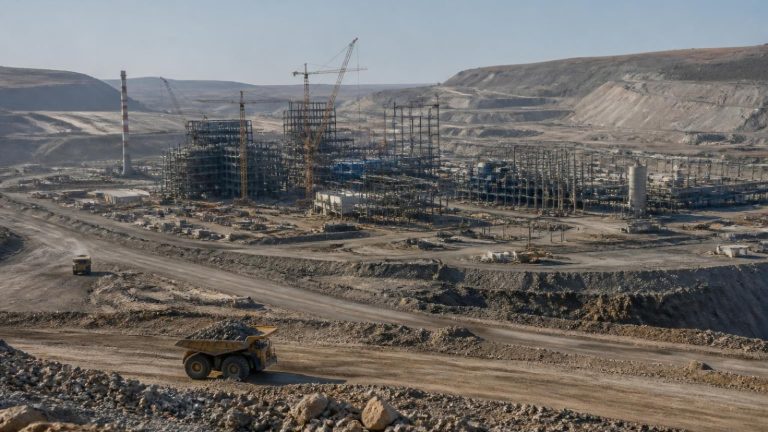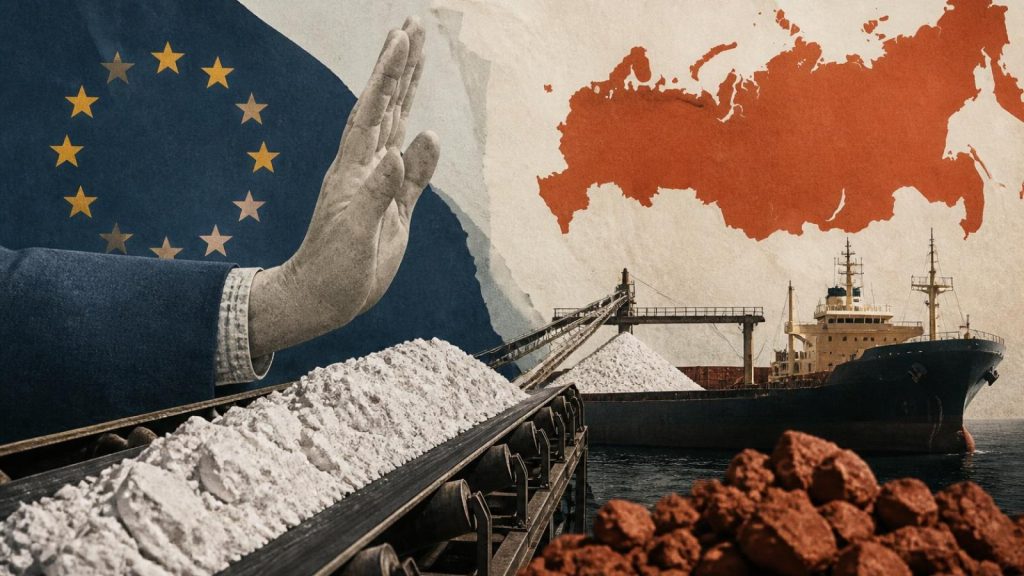
The European Union is contemplating a ban on an Irish refinery’s alumina exports to Russia, highlighting the complex interdependencies within the aluminium supply chain. This refinery, which processes bauxite into alumina, produces nearly a third of the EU’s alumina and serves as the primary supplier for France. However, the refinery is owned by the Russian group Rusal, raising concerns about the EU’s reliance on a facility that is beyond its control.
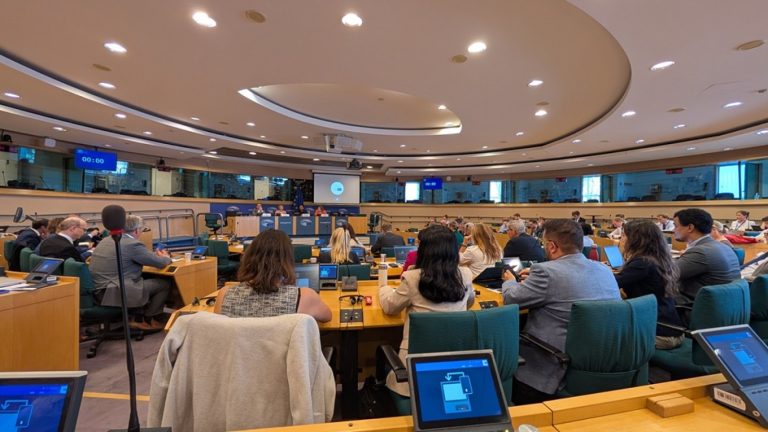
Rusal has faced significant production losses, particularly in 2022, when Australia ceased its alumina exports and the war in Ukraine led to the shutdown of its Ukrainian refinery. In response, the European Parliament has called for a ban on the refinery’s deliveries to Russia, which are deemed crucial for the Russian aluminium industry. Yet, the dependence on Irish alumina is not mutual; it constitutes less than 20% of Russia’s imports, while China has significantly increased its alumina exports to Russia, effectively providing an alternative source.
The Irish refinery has warned that a ban could jeopardise its operations, as Russia accounts for half of its sales. The potential closure of the refinery would force France to seek alternative sources for alumina, which could lead to price surges similar to those experienced in 2018 when US sanctions against Rusal caused an 80% spike in alumina prices within days.
The ongoing tug-of-war between the EU and Russia raises questions about the future of these imports. While the EU could source alumina from countries like Australia, Brazil, or Asia, this would mean sacrificing local production for imports from distant locations. Alumina has been classified as a strategic raw material by the EU, prompting a deeper inquiry into the balance between sourcing and domestic production capabilities.
In the upcoming analysis, the article will explore why Europe has the capacity to produce sufficient alumina but struggles to meet France’s specific needs. The situation underscores the complexities of global supply chains and the strategic considerations that must be navigated in the context of geopolitical tensions.