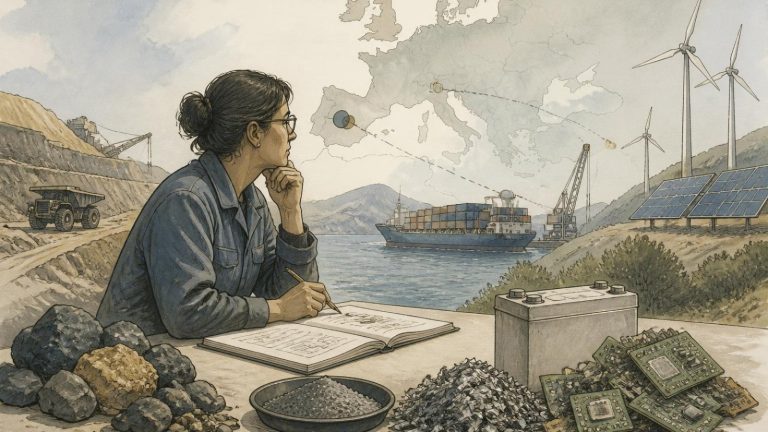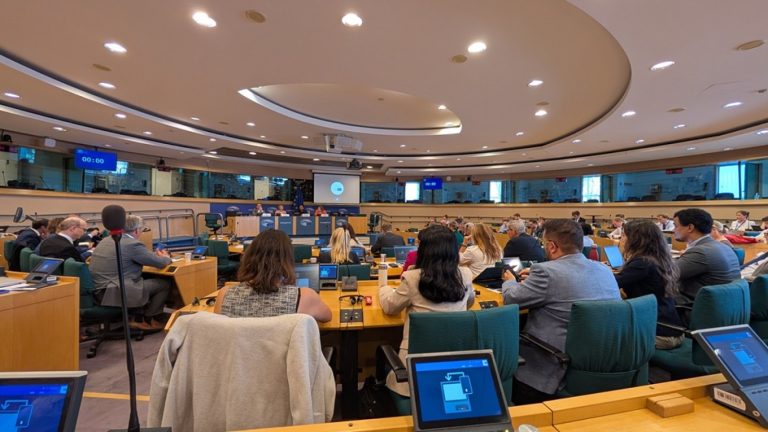
At the OECD – OCDE Conference Centre in Paris, industry leaders gathered for a pivotal discussion hosted by Business at OECD, focusing on the transformation of critical minerals strategies into bankable projects. The dialogue highlighted a significant disconnect between the strategic importance of critical raw materials and their current market prices. This disparity arises from the fact that while supply is readily available at low costs, it is heavily concentrated among a few major players, leading to concerns about future demand not being sufficiently met.
To address these challenges, four key conditions were identified as essential for strengthening critical minerals supply chains. Firstly, it is crucial to acknowledge sovereignty, resilience, and environmental, social, and governance (ESG) requirements as positive externalities that should influence price signals. This can be achieved through targeted capital expenditure (CAPEX) support, long-term demand commitments, and revenue-support mechanisms such as minimum price floors, volume guarantees, and public offtake agreements.
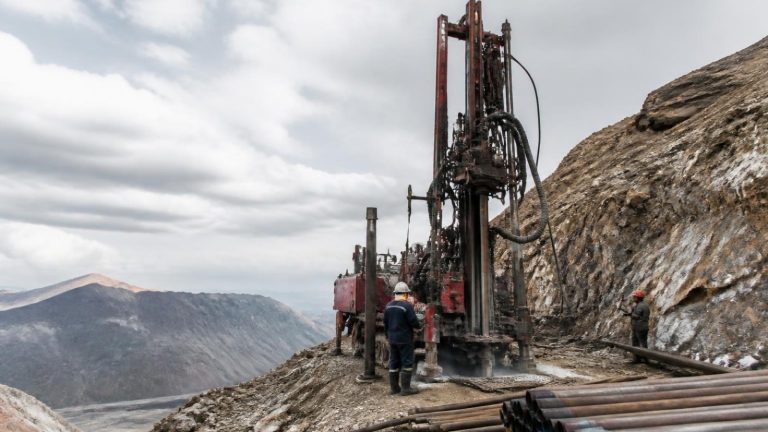
Secondly, there is an urgent need to boost support for high-risk exploration investments. The availability of quality mineral deposits is dwindling, and exploration spending has significantly decreased from approximately $20 billion in 2012 to just $12.4 billion today. Notably, a substantial portion of this investment continues to be directed towards gold, with only a small fraction allocated to critical minerals like lithium, nickel, and rare earths.
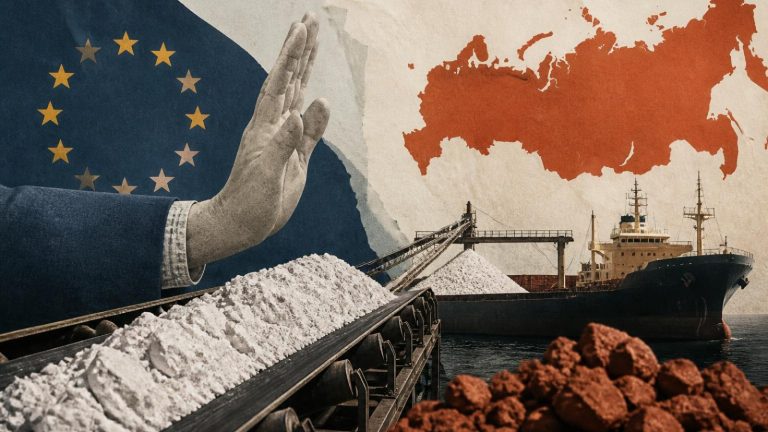
Thirdly, ensuring that demand aligns with supply is vital. Legislative measures such as the ‘Made in Europe’ requirements under the Industrial Accelerator Act can help strike a balance between sourcing obligations and public support, fostering a more sustainable approach to critical minerals sourcing.
Lastly, there is a pressing need for coordinated investment from public development banks in mining-related infrastructure, which should align with broader developmental goals in host countries. This approach can create mutually beneficial outcomes for both the extraction country and the end customer, enhancing the overall resilience of critical minerals supply chains.
The discussion concluded with a strong emphasis on the intrinsic value of sovereignty and resilience in the critical minerals sector, underscoring the importance of recognising and financing these elements to ensure a stable and sustainable supply chain for the future.