Portugal is currently exploring the potential of deep layers of porous rock for storing surplus renewable electricity, which could serve as a large-scale alternative to conventional battery systems. According to a report by Euronews, researchers from NOVA University Lisbon and the University of Lisbon have been investigating a technology known as compressed-air energy storage (CAES). This innovative approach aims to tackle one of the significant challenges faced by wind and solar power: the limited capacity to store excess electricity generated during peak production times.
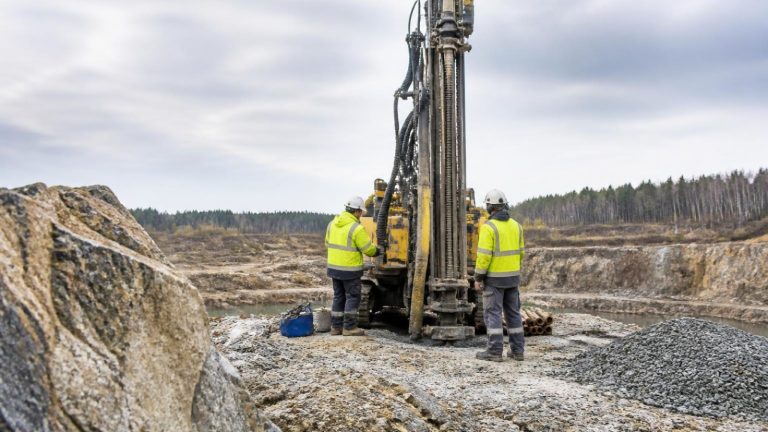
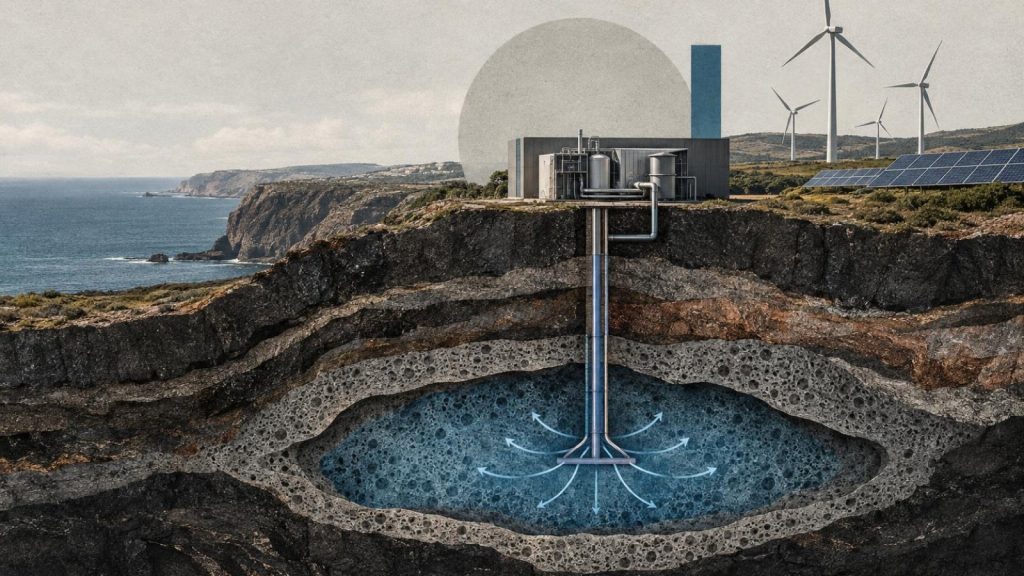
The researchers’ modelling indicates that under optimal theoretical conditions, a single reservoir located at depths of up to 3,000 meters could provide approximately 1 terawatt-hour (TWh) of storage capacity. The concept involves harnessing excess wind and solar energy to compress air, which is then injected into suitable geological formations located hundreds or even thousands of meters underground. This method could prevent clean energy from being wasted when electricity generation surpasses demand.
When there is a need for electricity, energy companies could release the pressurised air from underground storage, using it to drive turbines and generate power. This system has the advantage of being able to store large quantities of energy over extended periods, thereby enhancing grid stability compared to traditional lithium-ion batteries.
Interestingly, Kazakhstan has experience with a similar principle, albeit for a different purpose. The country has been utilising underground geological formations for large-scale storage of natural gas, ensuring stable supplies during the winter months. By 2028, Kazakhstan aims to expand the capacity of its Bozoi underground gas storage facility to 4 billion cubic meters, showcasing the viability of underground storage solutions in managing energy resources effectively.
As Portugal investigates this promising technology, it could pave the way for more sustainable energy practices and contribute to the global transition towards renewable energy sources. The success of such initiatives may inspire other countries to explore innovative methods of energy storage, further enhancing the reliability and efficiency of renewable energy systems.