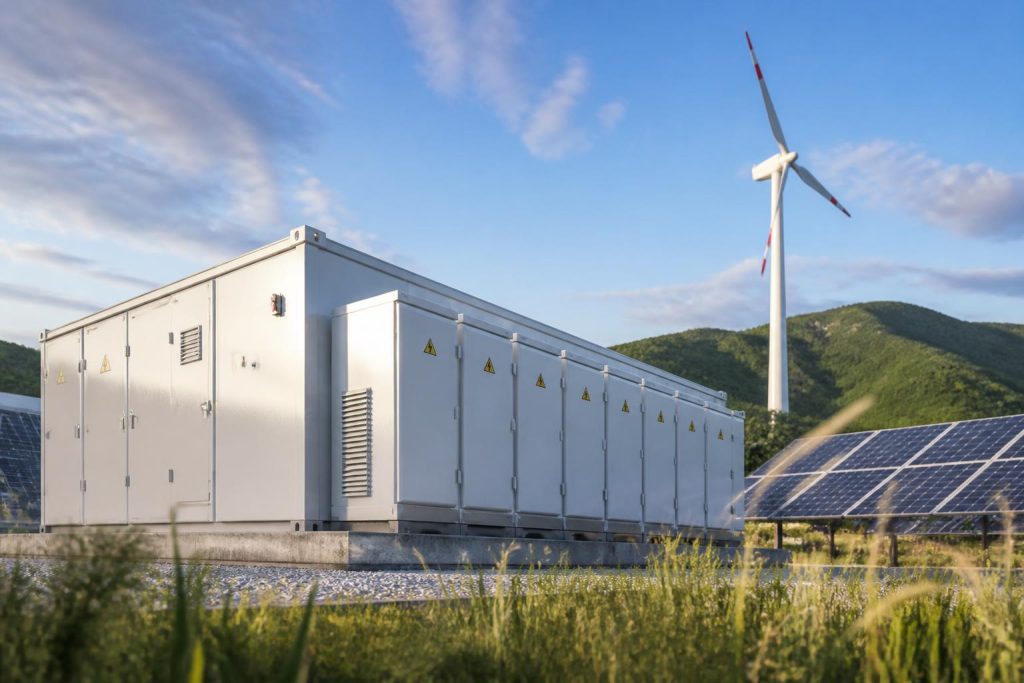
CATL, the world’s largest battery manufacturer, has signed a significant cooperation agreement with Solarpro, an Eastern European renewable energy company, for 2 GWh of Tener Sodium energy storage systems. This deal represents CATL’s second major sodium-ion energy storage order in Europe within a single month, underscoring the accelerating adoption of next-generation energy storage technology across the continent. The companies plan to jointly deploy Central and Eastern Europe’s first large-scale sodium-ion energy storage project this year, marking a pivotal moment in the region’s transition towards advanced battery technologies.
The Tener Sodium energy storage system demonstrates impressive technical specifications that make it particularly suitable for Eastern European climates. The system boasts a cycle life of up to 15,000 cycles and can operate reliably for 25 to 30 years, providing exceptional longevity for energy storage applications. Notably, the system retains 92% of its capacity at temperatures as low as minus 20 degrees Celsius, enabling it to withstand the harsh winter conditions experienced in Eastern European countries such as Lithuania. This cold-weather performance represents a significant advantage over traditional lithium-ion systems in regions with extreme seasonal temperature variations.
CATL’s European expansion strategy reflects the company’s broader commitment to sodium-ion battery technology as a transformative force in the global energy storage market. Just one week prior to the Solarpro agreement, CATL signed a memorandum of understanding with European new-energy integrator Alfen NV to deploy 5 GWh of sodium-ion energy storage systems in Western Europe beginning in 2027. The partnership with Solarpro builds upon an existing relationship that commenced in 2024, when the companies deployed a 150 MWh EnerC+ liquid-cooled energy storage system in Bulgaria. Subsequently, in May 2026, a 602 MWh Tener lithium-ion energy storage system jointly developed by the companies was connected to Bulgaria’s power grid, increasing the country’s total energy storage capacity by 10%.
CATL’s sodium-ion battery initiative represents a strategic response to growing global demand for cost-effective energy storage solutions. The company unveiled the Tener Sodium energy storage system on 22 June, positioning it as the world’s first field-validated sodium-ion battery energy storage solution. The system features a rated capacity exceeding 30 MWh and supports energy storage applications lasting between 1 and 8 hours, whilst maintaining compatibility with existing lithium-ion battery system dimensions, enabling seamless technology transitions. CATL plans to commence initial deliveries in China in September 2026, with shipments expected to reach 1 GWh by year-end, whilst global commercial deliveries are scheduled to begin in June 2027. Founder and chairman Robin Zeng has previously stated that low-cost sodium-ion batteries could eventually replace 30% to 40% of the existing battery market, reflecting the company’s confidence in this technology’s transformative potential.