Tag: European Union

  • European Union Enacts Critical Raw Materials Act Amid Controversy Over Social and Environmental Impact

    European Union Enacts Critical Raw Materials Act Amid Controversy Over Social and Environmental Impact

    In a move towards achieving strategic autonomy, the European Union has implemented the Critical Raw Materials Act (CRMA) after facing significant delays in the final stages. However, lead legislators from the European Parliament express dissatisfaction with the ultimate provisions governing social and environmental considerations. The CRMA, adopted by the Council of the EU, aims to secure and sustainably diversify critical raw material supplies, aligning with Brussels’ vision of strategic autonomy.

    Critical raw materials, characterized by their economic significance and vulnerability to supply disruptions, are essential for various industrial sectors. The legislation, which includes measures to bolster circularity and recycling, underscores the EU’s ambition for reindustrialization and technological advancement, particularly in areas such as renewable energy and defense.

    While proponents of the CRMA highlight its potential to advance climate and environmental objectives, critics raise concerns about potential ecosystem damage and adverse impacts on local communities, both within the EU and in supplier nations. Despite attempts to incorporate safeguards for community involvement and indigenous rights, certain provisions, such as explicit recognition of free, prior, and informed consent (FPIC), remain contentious due to resistance from the council.

    The CRMA sets ambitious benchmarks for the EU’s consumption, including targets for local extraction, processing within the bloc, and utilization of recycled materials. However, the EU acknowledges its dependence on external sources for critical materials, with some, like heavy rare earth elements, heavily reliant on single countries such as China.

    Notably, the Act streamlines permitting processes for strategic projects, setting a deadline of 27 months for extraction proposals. This expedited timeline contrasts with shorter deadlines for recycling and processing initiatives.

    The CRMA also fosters strategic partnerships with select countries to mitigate reliance on specific suppliers. Already, agreements have been signed with several nations, including Chile, Ukraine, and Canada, while negotiations with others, such as Norway and Serbia, are underway.

  • EU Approves Critical Raw Materials Act to Boost Domestic Mining

    EU Approves Critical Raw Materials Act to Boost Domestic Mining

    In a significant move aimed at securing critical raw materials for green technologies, European Union governments have given their nod to the Critical Raw Materials Act (CRMA), despite some reservations from lawmakers regarding community protection. The CRMA, proposed by the European Commission to lessen reliance on foreign suppliers and propel the European Green Deal, designates 34 critical and 17 strategic raw materials as essential for the EU’s green and digital transitions, as well as for defense and space industries.

    Under the CRMA, extraction projects will be fast-tracked with permits to be issued within a maximum of 27 months, while recycling and processing projects will receive permits within 15 months. While MEPs like Henrike Hahn acknowledge the urgency of securing critical materials for industries producing essential goods, concerns remain over the lack of explicit community consent provisions.

    Lawmakers like Cornelia Ernst express mixed feelings about the final legislation, emphasizing the need to balance domestic mining with environmental and social concerns. Despite these reservations, Flemish Minister Jo Brouns lauds the CRMA as a crucial step towards strategic autonomy, highlighting its potential to bolster the mining sector, create jobs, and align industries with green and digital transitions.

    However, Roger Doome of the Industrial Minerals Association Europe suggests broadening the CRMA’s scope and enhancing permitting procedures to ensure swift implementation. Meanwhile, the European Commission is actively pursuing partnerships with mineral-rich nations like Chile, Greenland, and Ukraine to diversify supply and bolster the continent’s critical raw materials inventory.

  • Advancing Sustainability: The European Union’s Circular Economy Action Plan and Sustainable Product Regulation

    Advancing Sustainability: The European Union’s Circular Economy Action Plan and Sustainable Product Regulation

    1. In March 2020, the European Commission unveiled the Circular Economy Action Plan (CEAP), marking a significant milestone in Europe’s journey towards a sustainable and circular economy. Complemented by the proposed Ecodesign and Sustainable Product Regulation (ESPR) in March 2022, these initiatives underscore the EU’s commitment to addressing environmental challenges while promoting economic growth.

      Main Body:

      1. Circular Economy Action Plan (CEAP)
        • Aims to foster a sustainable and circular economy in Europe.
        • Integrates decarbonization efforts with circular economy principles and digitalization.
        • Focuses on innovative circular business models to drive economic growth.
        • Seeks to reduce dependence on raw material imports and enhance industry competitiveness.
      2. Ecodesign and Sustainable Product Regulation (ESPR)
        • Enhances environmental performance of products throughout their life cycle.
        • Focuses on reducing carbon footprint, resource use, and promoting product durability and recyclability.
        • Advocates for circular economy practices in addressing critical raw materials (CRMs).
        • Emphasizes extended producer responsibility and product longevity.
      3. Digital Product Passport (DPP)
        • Facilitates traceability of product information throughout its life cycle.
        • Includes details relevant to CRM supply chains, promoting transparency and accountability.
        • Sets the stage for potential mandatory requirements and product recyclability standards.
  • ArcelorMittal’s European Head Casts Doubt on Feasibility of Green Hydrogen for Steel Production

    ArcelorMittal’s European Head Casts Doubt on Feasibility of Green Hydrogen for Steel Production

    Gert van Poelwrode, the head of ArcelorMittal’s European division, has expressed skepticism regarding the practicality of utilizing green hydrogen for steel production within the EU. Despite receiving substantial subsidies for relevant equipment, he suggested that importing Direct Reduced Iron (DRI) might be a more viable option for producing low-carbon steel.

    According to van Poelwrode, the high cost of “green” hydrogen in Europe could render it economically unfeasible for steel plants. He emphasized concerns about market competitiveness and the potential exclusion from international markets should they opt for hydrogen-based steel production.

    While policymakers advocate for decarbonization efforts in the steel sector through the utilization of DRI produced with “green” hydrogen, van Poelwrode’s comments underscore apprehensions that ArcelorMittal’s planned installations may not immediately adopt this approach, despite substantial government subsidies.

    The company anticipates significant grants from various European governments to facilitate the transition to “green” steel production, with an estimated total subsidy amounting to €1.65 billion. However, van Poelwrode noted that cost-effective hydrogen pricing, around €2/kg, is essential to ensure the competitiveness of low-carbon steel derived from it, even with progressive carbon emission taxes in Europe.

    Furthermore, he highlighted the challenges of green hydrogen production costs in Europe, which can reach €6-7/kg under current electrolysis schemes. Importing “green” hydrogen, although cheaper in regions like Africa, would still incur substantial transportation costs, approximately €1.5/kg.

    The decarbonization of the steel industry remains a pivotal issue in 2024, with the availability of environmentally friendly hydrogen and competitively priced renewable energy playing crucial roles in the process.

  • Kazakhstan-EU Meeting Emphasizes Collaboration on Critical Raw Materials and Green Energy Initiatives

    Kazakhstan-EU Meeting Emphasizes Collaboration on Critical Raw Materials and Green Energy Initiatives

    A gathering convened by the Kazakh Embassy in Belgium on March 5th attracted approximately 60 high-ranking officials from the European Union alongside representatives from the EU business community. Central to the discussions at this significant meeting was the collaboration between Kazakhstan and Europe pertaining to critical raw materials (CRM), green hydrogen, and batteries.

    In November 2022, Kazakhstan and the European Union cemented their cooperation by signing a Memorandum of Understanding on sustainable raw materials, batteries, and renewable hydrogen value chains. This milestone agreement was accompanied by the adoption of a detailed Roadmap for implementation throughout 2023.

    During the meeting, Bolat Akchulakov, energy advisor to the president of Kazakhstan, underscored the strategic significance of the Kazakhstan-EU Memorandum of Understanding. He highlighted its pivotal role in fostering a strategic partnership aimed at collectively advancing the objectives of a green transition.

    Luc Devigne, deputy managing director for Eastern Europe and Central Asia at the European External Action Service (EEAS), lauded the Kazakhstan-EU relationship as a “success story of cooperation.” He reiterated the EU’s commitment to further strengthen this partnership, ensuring the sustainability of supply chains and the mutual achievement of climate change goals.

    As part of the event, Kazakhstan’s national company, Kazakh Invest, delivered a comprehensive report on CRM at its Brussels office. The report highlighted that Kazakhstan currently produces 19 out of the 34 critical raw materials listed by the European Union. Additionally, it was emphasized that Kazakh manufacturers presently supply the EU with beryllium, tantalum, and titanium. Furthermore, there exists untapped potential to explore other raw materials in Kazakhstan, with the prospect of establishing processing plants for nickel, cobalt, manganese, and lithium. This strategic initiative would enable Kazakh enterprises to make substantial contributions to the production of batteries, which are integral components for electric vehicles.

  • Navigating Global Geopolitics: Germany and the EU’s Quest for Raw Materials

    Navigating Global Geopolitics: Germany and the EU’s Quest for Raw Materials

    As the demand for energy transition, electromobility, and digitalization surges globally, Germany finds itself at the forefront, recognizing the critical importance of a steady supply of minerals and metals. Essential for sectors like automotive, mechanical engineering, and chemicals, raw materials form the backbone of Germany’s industrial prowess. The complexities of metal supply chains, coupled with the escalating global appetite for these resources, heighten the significance of securing a stable supply.

    Germany’s current reliance on imported raw materials is pronounced, with only a fraction sourced domestically. The German Mineral Resources Agency highlights that in 2022, the country imported metals worth €121.7 billion, reflecting the challenges of achieving self-sufficiency. The geopolitical dimension adds another layer, with China emerging as a central hub in global metal supply chains. China’s role as a major supplier, especially in providing rare earths to the European Union, underscores the vulnerabilities created by high dependencies.

    In response, the European Commission has proposed the Critical Raw Materials Act (CRMA) in March 2023 to address these challenges. The CRMA seeks to boost domestic mining, expand recycling capacities, and diversify imports of critical raw materials. The European Union aims to establish new partnerships and reduce dependency on individual countries to ensure a resilient supply chain.

    Globally, the competition for raw materials is escalating. The United States, through initiatives like the Inflation Reduction Act and the Minerals Security Partnership, actively secures its raw material supply chains. China, on the other hand, extends its influence through industrialization projects in Africa and the solar industry.

    In this race, even Saudi Arabia, with its “Vision 2030,” is investing significantly in mineral resource development. Resource-rich countries in the Global South see the geopolitical competition as an opportunity to move beyond being mere suppliers and establish stages of industrial production within their borders.

    The EU responds by forging strategic raw materials partnerships with various countries, recognizing the need for a coordinated approach among member states. However, the global race necessitates careful navigation of international cooperation complexities.

    While financial resources are crucial, strategic foreign policy decisions take center stage. The EU must engage in meaningful dialogues with potential raw material partners, considering economic and industrial policy interests. The competition for raw materials extends beyond monetary transactions, requiring a nuanced and proactive foreign policy approach to secure Europe’s access to essential resources.

  • Opposition Mounts Against EU-Rwanda “Sustainable Mining” Pact

    Opposition Mounts Against EU-Rwanda “Sustainable Mining” Pact

    Controversy surrounds the European Union’s recent agreement with Rwanda on the sustainability and traceability of strategic minerals, as critics, including “Insieme pace per il Congo” and seven other organizations, demand its annulment. Expressing concern, these groups, including the “Rete Pace per il Congo” Network, question the wisdom of engaging in such an accord with a country that allegedly acquires these minerals illegally from a neighboring state. The protocol agreement, signed on February 19th, faces objections from Cardinal Fridolin Ambongo Besungu and others who argue that Rwanda’s prominence in the tantalum mining sector is marred by the exploitation of wars and clandestine movements since 1996. Despite the EU’s assertion that the agreement aims to uphold legality and traceability standards, critics emphasize Rwanda’s questionable practices, accusing it of benefiting from conflicts in the Democratic Republic of Congo. The statement from the opposition cites the flow of valuable minerals, such as gold and coltan, from Congo to Rwanda through complicit border practices, leading to violence, displacement, and suffering. “Insieme per la Pace nel Congo” appeals to the European Union to reconsider the agreement, urging sanctions against Rwanda for its alleged involvement in the illegal trade of minerals. They emphasize the need for a fair and impartial approach to foster peaceful coexistence in the African Great Lakes region.

  • EU’s First Battery-Grade Lithium Mine: Critical Metals Leads the Way

    EU’s First Battery-Grade Lithium Mine: Critical Metals Leads the Way

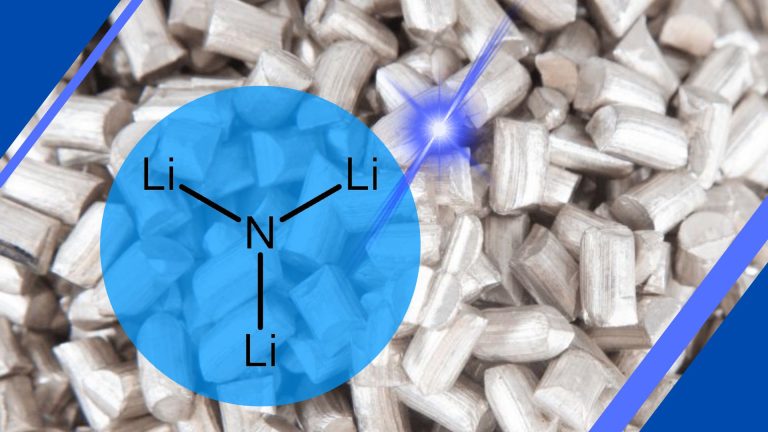
    Critical Metals, a newly established company, is set to construct the European Union’s first battery-grade lithium mine, the Wolfsberg Lithium Project, located in Austria. The project is expected to become a significant source of battery-grade lithium concentrate, filling a critical gap in the European electric vehicle (EV) battery supply chain. The mine is uniquely positioned to capitalize on its location in the heart of the EV supply chain, minimizing environmental impact by repurposing a former Austrian government-constructed lithium mine containing a substantial amount of battery-grade lithium. Furthermore, European Lithium has entered into a Memorandum of Understanding (MOU) for a key customer arrangement with BMW AG, potentially creating one of the largest direct pre-pays from an original equipment manufacturer (OEM) in Europe’s lithium mining industry. A definitive feasibility study is expected in early 2023, aiming to supply lithium concentrate at a commercial scale and be economically viable. 

    The European Union has set targets to dig up, recycle, and refine lithium, cobalt, and other metals it needs for its green transition. However, the bloc faces challenges in achieving these goals due to a shortage of new money, high energy costs, and local opposition. The Critical Raw Materials Act (CRMA), due to enter force in early 2024, aims to reduce the EU’s reliance on China, which dominates global mineral processing and has already threatened EU supply with export curbs. The CRMA aims to speed up the granting of project permits, but other obstacles remain, such as the need for cheaper energy and EU financing. 

    Several European lithium mining and refining projects are poised to launch commercial operations next year, supported by a push among original equipment manufacturers (OEMs) to regionalize their battery supply chains and reduce dependence on imported material. Based on existing plans, Europe’s annual lithium processing capacity is set to reach approximately 650,000 mt/year by 2028, with more than 20 projects currently advancing their mining and refining operations toward full-scale commercial production. The growth of Europe’s domestic lithium industry comes amid growing concern about an impending global shortfall in the supply of graphite, copper, cobalt, and nickel.

  • “Metinvest” sold more than half of its products in the EU

    “Metinvest” sold more than half of its products in the EU

    In the first half of 2023, the Mining and Metallurgical Group “Metinvest” sold 55% of its metallurgical and mining products in the countries of the European Union (EU). At the same time, 35% of this production was sold in Ukraine, 2% in MENA countries, 1% in CIS countries, and 7% in other regions. The total revenue amounted to $2.423 billion.

    It is noted that sales of metallurgical products decreased by 33% in the first half of 2023 compared to the same period of the previous year. This was mainly due to the reduction in production volumes at Ukrainian metallurgical enterprises, as well as due to the decrease in average selling prices. However, this situation was partially offset by the increase in the volumes of billets, long products, and coke sales.

    The positive dynamics for the first half of 2023 compared to the second half of 2022 is due to higher sales volumes of finished products, semi-finished products, and coke.

    However, sales of iron ore products also decreased by 32% in the first half of 2023 compared to the first half of 2022, mainly due to falling iron ore prices and reduced shipments due to the blockade of Ukrainian ports. Nevertheless, this was partially offset by increased sales volumes of sinter and concentrate of coking coal.

    The Metinvest Group consists of mining and metallurgical enterprises in Ukraine, Europe, and the United States, with the main shareholders being SCM Group and Smart-Holding. The managing company of the group is Metinvest Holding LLC.

  • Teako Minerals announces strategic pivot with Norway as key focus

    Teako Minerals announces strategic pivot with Norway as key focus

    TEAKO MINERALS CORP. (the “Company” or “Teako“) announces that following a recent Norwegian parliament meeting and the various developments in mineral exploration in Fennoscandia in recent years, the Company has decided to pause exploration efforts in British Columbia, to primarily concentrate on Norway, while also maintaining a minor focus on Finland. The majority of the Company’s projects in British Columbia are in good standing for 2-3 years, allowing the Company the strategic flexibility to explore various alternatives, including the potential of partnering with other parties or selling the projects, as part of its ongoing commitment to maximizing shareholder value. Investors will be regularly informed of developments, ensuring transparency and continuous engagement with our valued stakeholders.

    The primary targeted metals in Norway will be copper, cobalt, and base metals, as well as gold and rare earth minerals (or “REE”), while in Finland, the focus will be on gold.

    The Rationale Behind the Pivot

    Access to critical and battery metals is crucial to establishing a robust value chain in Europe and carrying out the green shift. Today, most of the battery metals, such as nickel, cobalt, and lithium, are produced outside Europe, often in countries with low ESG standards. The EU has introduced a goal that 10% of all critical minerals consumed in the EU in 2030 will need to be produced in the EU by 2030. This means that the production of battery metals within the EU must be dramatically increased to attain this goal.

    Oil and gas have been the primary contributors to Norway’s recent sovereign wealth. However, in alignment with the green shift and rising commodity prices, the mineral exploration industry and Government are keen on reviving the mining and exploration sector, which became dormant in the 1970s due to low commodity prices and the discovery of oil and gas.

    The bedrock in Norway is promising for discoveries of new occurrences of battery and critical metals with its rich history of mining copper, nickel, and cobalt. Only a handful of exploration companies have carried out systematic exploration since the late 1980s; however, multiple major mines are about to open/reopen very shortly, namely the REE mines of Engebø and Fensfelt, as well as the copper mine in Finnmark by Nussir.

    Norway is currently also a world leader in renewable energy production, with an estimated 92% of the country’s energy supply being derived from hydroelectric plants and a further 6% from wind energy and other renewable sources.

    More recently, the Company was invited to attend and contribute to an event at the Norwegian Parliament held on January 16, 2024. The event focussed on sustainable exploration and extraction of critical metals, bringing together a diverse group of experts and industry leaders to discuss establishing Norway’s pivotal role in the European battery and critical minerals supply chain.

    The event surrounded a cross-political specialist seminar with representatives and advisors in the energy and environment committee, the finance committee, the industry committee, mining companies, politicians, and various organizations. The event was followed by a networking gathering where Teako and another Service Alliance partner, Kuniko Limited, and Norsk Bergindustri, met.

    The Company would like to express its profound gratitude to the Norwegian Parliament for the opportunity to contribute to the discussions on the development of Norway’s critical mineral infrastructure. We also sincerely thank Norsk Bergindustri and our Service Alliance partner, Kuniko Limited, for hosting the networking gathering.