Tag: European Union

  • EU Assures Ukraine of Unconditional Support Amid Mineral Resource Controversy

    EU Assures Ukraine of Unconditional Support Amid Mineral Resource Controversy

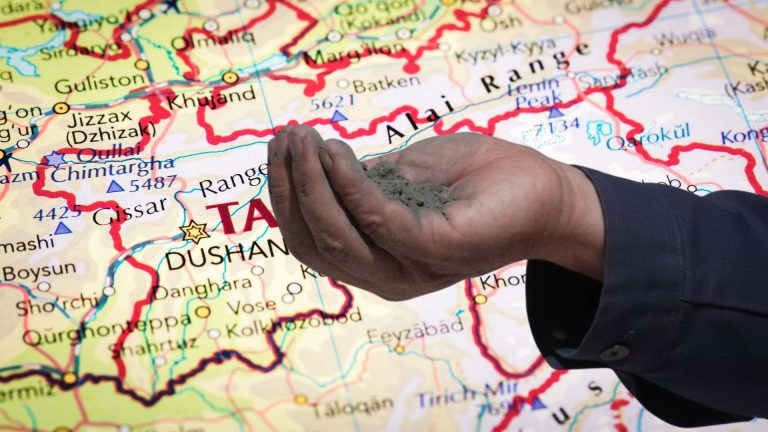
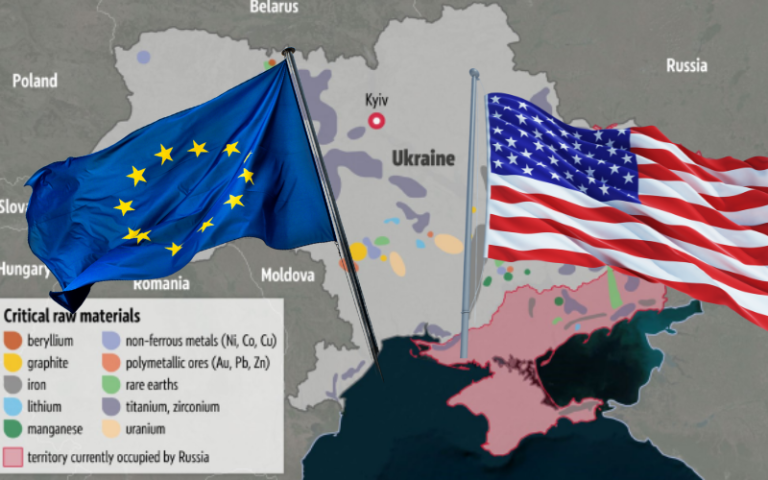
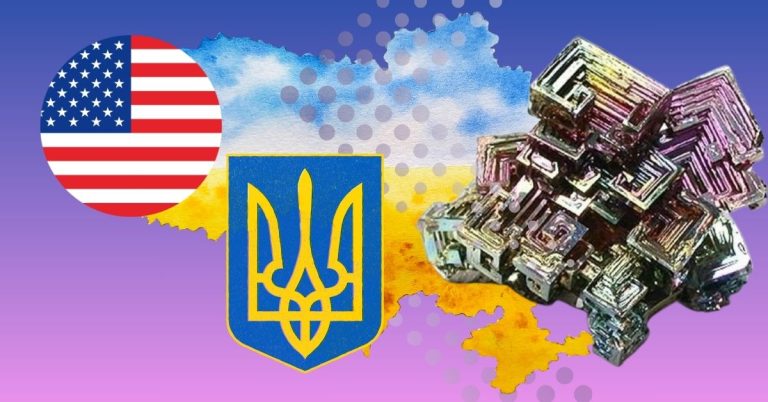
    European Council President António Costa has affirmed that European Union member states will not seek any mineral resources from Ukraine in exchange for the assistance provided. In an interview with Suspilne, Costa highlighted that the EU has been a major donor to Ukraine over the past three years, emphasizing that this support benefits both Ukrainians and European security.

    Costa also addressed Ukraine’s recent agreement with the United States on rare earth metals, reiterating that Ukraine is a sovereign state with the right to manage its territory and engage in international negotiations. This statement comes amid growing tensions over mineral resources in Ukraine’s relations with the U.S.

    Earlier, former U.S. President Donald Trump had demanded compensation for American aid to Ukraine during its ongoing conflict with Russia. Meanwhile, Ukrainian President Volodymyr Zelenskyyexpressed openness to American investments in mineral extraction during discussions in September 2024. However, Zelenskyy declined to sign a draft agreement presented by U.S. Treasury Secretary Scott Bessent, which reportedly sought rights to 50% of Ukraine’s mineral reserves.

    The White House criticized Zelenskyy’s decision as “short-sighted,” while Trump further escalated tensions by suggesting Ukraine should hold elections and claiming the war could have been resolved through negotiations. Trump also warned of potential consequences if Ukraine fails to reach an agreement with Washington.

    U.S. Representative Mike Waltz echoed these sentiments, stating that the U.S. deserves “reimbursement for its investments” rather than facing resistance from Ukraine.

  • Not In My Country: Serbia’s Lithium Dilemma

    Not In My Country: Serbia’s Lithium Dilemma

    On 5 February 2025, the avant-première of the groundbreaking documentary Not in My Country took place at the European Parliament in an exclusive, invitation-only event. This compelling film delves into the heart of the fierce protests in Serbia over the proposed development of Europe’s largest lithium mine in the Jadar Valley. It examines the delicate balance between environmental preservation and the urgent drive for a climate-neutral future powered by lithium-ion batteries for clean mobility and energy storage. The documentary also sheds light on the geopolitical complexities surrounding Serbia’s aspirations for EU membership and allegations of political interference.


    The Film

    In December 2004, exploration geologists from the Anglo-Australian mining giant Rio Tinto made a remarkable discovery in the fertile Jadar Valley of Western Serbia: a unique lithium-boron-silicate mineral later officially named “jadarite.” Dubbed “Serbian kryptonite,” this potent mineral was hailed as a source of immense wealth for the Serbian people, promising to propel the Republic into a cleantech-based, future-proof, climate-neutral economy.

    Fast forward to 2020: Rio Tinto’s land acquisition programme began dividing the villagers of the Jadar Valley, sparking the birth of a local agricultural opposition movement. This quickly evolved into a diverse and determined national movement: Not In My Country! By 2022, mass demonstrations had grown so powerful that they forced the Serbian government to withdraw Rio Tinto’s permits. However, two years later, Serbia’s Constitutional Court reversed the decision, reigniting protests in Belgrade in July 2024 and splitting the nation into two camps—those in favour and those against the project.

    In Not in My Country , the film’s presenter seeks to understand how seemingly unlikely allies—Serbian nationalists, local farmers, urban environmentalists, scientists, and pro-EU, pro-democracy Serbs—have united against the Jadar project. The presenter engages with a multitude of voices from the Jadar Valley, Belgrade, and Brussels, exploring pressing questions:

    • Can Rio Tinto be trusted to uphold the strictest ESG standards?
    • Is Serbia merely an EU mining colony, sacrificing its environment so wealthy Europeans can drive oversized electric vehicles?
    • Is the Jadar project an entry ticket to the European Union?
    • Shouldn’t the EU open its own lithium mines before asking Serbia to open its Jadar mine?

    The Film Producers

    The documentary is co-developed and fully financed by SIM², the KU Leuven Institute for Sustainable Metals and Minerals. Recognising their pivotal role in achieving a climate-neutral society, SIM² is dedicated to advancing the sustainable production and recycling of critical metals and minerals through research, education, and wider-society learning, including the development of science communication documentaries.

    Dr. Peter Tom Jones, director of SIM², states: “When we embarked on producing this film, our goal was to create a ‘science communication’ documentary aligned with the mission of our KU Leuven Institute. However, we quickly realised that the Jadar project is so heavily politicised that it is challenging to separate a fact-based discussion on the intrinsic techno-environmental merits and pitfalls of this mining and refining project from the complex nature of Serbian politics. We discovered firsthand that this story is one of intimidation from all sides, filled with confusion, distrust, and deep-seated historical emotions and suspicions towards external players who come into Serbia and seem to want to dictate terms. With the recent disaster in Novi Sad and the ongoing massive student-led protests against the regime, all of this has become even more explosive. Is it a matter of the right mine at the wrong time and wrong place? Is it a question of not throwing the baby out with the bathwater?”


    The Panel Debate

    After the film’s screening in the European Parliament, David Rose moderated a unique panel discussion. The debate brought together MEPs Hildegard Bentele and Yvan Verougstraete, Julia Poliscanova from Transport & Environment, as well as direct proponents and opponents from Serbia. The aim of this panel was to investigate how to bridge the tensions between environmental preservation and people’s right to object to mining activities in their country, while addressing the pressing need to source metals such as lithium, which are essential enablers of the transition towards climate neutrality.


    Additional Information

    • Trailer : The trailer for Not In My Country is available here . The film will not be made public until all avant-première events have been completed. Journalists may request a protected link for reviewing purposes or obtain images and footage by contacting Journeyman Pictures directly or Peter Tom Jones via his LinkedIn profile.
    • SIM² KU Leuven : This interdisciplinary institute spans fields such as geology, chemistry, metallurgy, engineering, law, and economics. SIM² is one of Europe’s leading academic institutes, dedicated to advancing the sustainable production and recycling of critical metals through research, education, and wider-society learning. Notable examples include the award-winning documentaries Made In Europe: From Mine to Electric Vehicle (2023), The Sami Perspective (2024), and Europe’s Mining Renaissance: A Catalyst for Climate Neutrality (2024).

    For more information, visit https://kuleuven.sim2.be/ .

    • Journeyman Pictures : The film is distributed by Journeyman Pictures, a leading independent supplier of award-winning stories to the global theatrical, broadcast, digital, and educational markets. For more information, visit https://www.journeyman.tv/about/about-us .

    Disclaimer : SIM² has no financial interest in publishing its documentaries. It does not and will not receive royalties or commercial income from the airing of these films. The production of these films is solely part of SIM²’s commitment to “wider-society learning,” as acknowledged by the International Panel evaluating SIM²’s first four years as an official KU Leuven Institute.

  • Savannah Resources Delays Portugal Lithium Project Start to 2027 Due to Government Changes

    Savannah Resources Delays Portugal Lithium Project Start to 2027 Due to Government Changes

    London-based Savannah Resources has postponed the expected start of its lithium production in northern Portugal to 2027, citing delays caused by recent government changes. The company, which aims to develop four open-pit lithium mines in the Barroso region, had initially planned to begin production in 2026. The mines are projected to supply enough lithium annually to power around half a million electric vehicle batteries.

    The delay follows the ascension of Portugal’s centre-right government in March, replacing the administration of former Prime Minister António Costa, who resigned amid an investigation into the handling of lithium and hydrogen projects. Savannah noted that the change in government has delayed the project by over six months, with access to land becoming a key obstacle.

    Savannah now expects to complete its definitive feasibility study by the second half of 2025, alongside environmental licensing confirmation. The company anticipates commissioning and first production to begin in 2027.

    Legal proceedings have been initiated to grant Savannah temporary access to land within its 840-hectare concession area, necessary for further fieldwork. While the company has acquired over 100 plots, only 93 hectares had been secured as of September 2023. Savannah has reiterated its intent to request compulsory land purchases from the government if necessary.

    The lithium project has faced strong opposition from local residents and environmentalists. The outcome of this project is seen as critical for the European Union’s goal to reduce reliance on countries like China for essential raw materials.

  • Europe’s First Lithium Refinery Opens in Germany, Set to Power 500,000 Electric Cars Annually

    Europe’s First Lithium Refinery Opens in Germany, Set to Power 500,000 Electric Cars Annually

    AMG Lithium has opened Europe’s first lithium refinery in Bitterfeld-Wolfen, Germany, a significant step in boosting the continent’s electric vehicle (EV) industry. The refinery, built in just over two years at a cost of 140 million euros, will convert Brazilian lithium into battery-compatible lithium hydroxide. The plant is expected to produce 20,000 tonnes of lithium hydroxide annually, enough to power 500,000 electric vehicles.

    Lithium, a key component in EV battery production, is in high demand due to the global transition to green energy. To address this growing need, the European Union (EU) introduced the Critical Raw Materials Action Plan in 2020, aimed at reducing Europe’s reliance on external sources for these vital materials.

    Currently, most electric and hybrid vehicles rely on lithium-ion batteries, which are favored for their performance and range. Stefan Scherer, Managing Director of AMG Lithium, highlighted the importance of lithium-ion technology, stating, “If you want a certain performance and range when driving, then the lithium-ion battery is simply unbeatable.”

    In the future, lithium sourced from European mines—such as those in Portugal and the Ore Mountains—will also be processed at the Bitterfeld-Wolfen plant.

  • Serbia and EU Sign Strategic Partnership for Sustainable Raw Materials and EV Supply Chains

    Serbia and EU Sign Strategic Partnership for Sustainable Raw Materials and EV Supply Chains

    Serbia and the European Union signed a memorandum of understanding today in Belgrade, establishing a strategic partnership to exploit sustainable raw materials and develop supply chains for batteries and electric vehicles. The agreement was signed during a summit on strategic raw materials, attended by Serbian President Aleksandar Vucic, German Chancellor Olaf Scholz, and European Commission Vice-President and Energy Commissioner Maros Sefcovic.

    The summit’s discussions were framed around Belgrade’s recent decision to reconsider the development of a significant lithium mine in western Serbia. This project, initially suspended due to widespread protests over environmental and health concerns, is seen as a key component in the partnership.

    The memorandum was officially signed by Commissioner Sefcovic and Serbian Energy Minister Dubravka Djedovic Handanovic. The partnership aims to secure a sustainable and ethical supply of raw materials critical for the EU’s green energy transition, particularly in the rapidly growing EV sector.

  • EBRD and Serbia Sign Major Grant Agreement to Boost Energy Efficiency

    EBRD and Serbia Sign Major Grant Agreement to Boost Energy Efficiency

    The European Bank for Reconstruction and Development (EBRD) has entered into a significant grant agreement with Serbia’s Ministry of Mining and Energy. Funded by the European Union (EU), this initiative aims to bolster the administration responsible for financing and promoting energy efficiency across Serbia.

    The agreement is a pivotal part of the EU-funded project “Support for the Operation of the Administration for Financing and Promoting Energy Efficiency in Serbia” (EEA) and marks the initial phase of a broader technical cooperation effort. The primary goal is to enhance the EEA’s capacity to manage energy-efficiency funding from the Serbian government, particularly focusing on building renovations.

    EBRD President Odile Renaud-Basso and Serbian Minister of Mining and Energy Dubravka Đedović Handanovićsigned the agreement, with Elvira Angulo Rodrigues, Head of Operations I of the European Union to Serbia, witnessing the ceremony.

    “I am very glad that we have signed this grant, which aims to support the decarbonisation of Serbia’s economy by enhancing institutional capacity for investments in energy efficiency and promoting the efficient use of energy. Augmenting this efficiency is not only pivotal to reducing greenhouse gas emissions and lowering energy costs but also plays a crucial role in boosting the quality of public infrastructure and services. This project and its implementation show Serbia’s commitment to sustainable development and environmental stewardship, contributing to economic resilience and long-term prosperity. Strengthening the capacity of the EEA will enable easier access to EU funds, as well as the development, implementation and promotion of support schemes for large-scale energy-efficiency investments, with a particular focus on the renovation of buildings,” said Renaud-Basso.

    Minister Đedović Handanović highlighted the impact of the EU’s €2.35 million donation, stating, “A donation of 2.35 million euros from the EU will increase the capacities of the Directorate for Financing and Encouraging Energy Efficiency, which implements Subsidy Grant Programs for energy rehabilitation of public buildings in the Republic of Serbia and also plays an important role in supporting citizens to increase energy efficiency in their households. With the support of the administration, subsidies were granted to more than 30 thousand households, 165 buildings of public importance were rehabilitated, and just last year we subsidized the rehabilitation of 21 schools, kindergartens, and cultural centers in the same number of cities and municipalities. This year, we expect a double number of applications for public facilities, since the budget of the Republic of Serbia has provided twice as many funds for these purposes.”

    Elvira Angulo Rodrigues noted the broader implications of the agreement, “The agreement signed today will improve human and technical capacities of the Energy Efficiency Administration for much wider and faster coverage of the energy efficiency needs in Serbia. By prioritising energy efficiency, we not only reduce energy consumption but also bolster the resilience of our energy systems and pave the way for a seamless transition to renewable energy sources. The partnership between the European Union and Serbia in the energy sector exemplifies our shared commitment to a future that is both prosperous and sustainable.”

    The EBRD remains a leading institutional investor in Serbia, with over €9 billion invested through 355 projects, primarily supporting the private sector. The Bank’s focus in Serbia includes promoting private-sector competitiveness, green energy transition, and sustainable infrastructure development.

  • German Chancellor Olaf Scholz to Visit Serbia for Crucial Lithium Supply Agreement

    German Chancellor Olaf Scholz to Visit Serbia for Crucial Lithium Supply Agreement

    German Chancellor Olaf Scholz is set to visit Serbia this week to negotiate a critical agreement for the supply of lithium, essential for Germany’s energy transition and auto industry. According to sources familiar with the matter, Scholz is expected to be in Belgrade on Friday to sign the agreement with Serbian President Aleksandar Vucic and other cabinet ministers. While the details of the visit remain unconfirmed, the German government and the Serbian administration have not commented on the matter.

    Serbian Infrastructure Minister Goran Vesic mentioned that Serbia intends to collaborate closely with European Unionmember states on potential lithium extraction but did not verify Scholz’s visit. Vesic emphasized Serbia’s aspirations to join the EU and its willingness to cooperate on various issues with EU partners.

    This potential deal follows a significant ruling by Serbia’s top court, which overturned a 2022 government decision to halt a $2.4 billion lithium project by Rio Tinto Group due to environmental concerns. This project, if realized, would be Europe’s largest lithium mine, with an estimated annual production of 58,000 tons of lithium. However, operations are not expected to commence before 2028, pending firm environmental protection measures.

    The European Union’s dependency on imported lithium was a major concern addressed in recent legislation aimed at securing supplies of critical minerals. Despite this, progress has been limited to general agreements with allies like Australia, and critics argue that more direct funding is necessary to support developers amid a downturn in battery-metal markets.

    The agreement between Serbia and Germany, the EU’s largest economy, comes as Serbia continues its efforts to join the EU. The lithium supply from Serbia would significantly aid Germany’s plans to reduce reliance on gas and coal and to advance the electrification of its automotive industry. In addition to international projects, Germany is also exploring domestic lithium extraction through startups like Vulcan Energy Resources Ltd.

  • Dutch Miner AMG Acquires Significant Stake in Savannah Resources

    Dutch Miner AMG Acquires Significant Stake in Savannah Resources

    In a strategic move, Dutch miner AMG has acquired a 15.77% stake in London-based Savannah Resources, becoming the largest shareholder in the company. Savannah Resources is known for its development of a lithium projectin northern Portugal. This acquisition, valued at £16 million, was announced on Thursday by both companies.

    Emanuel Proenca, CEO of Savannah, highlighted the investment as a “huge de-risking step” for the company. He praised AMG as the “ideal partner” due to its established lithium business that caters to Europe’s battery and electric vehicle (EV) sector.

    The project, however, has not been without controversy. It has encountered significant opposition from local residents and environmentalists. Despite these challenges, it is seen as a crucial test for the European Union’s strategy to reduce dependency on countries like China for essential raw materials.

    Savannah plans to construct four open-pit lithium mines in the Barroso region, with an aim to produce enough lithium annually to power approximately half a million EV batteries. The company is targeting the commencement of production by 2026.

    In addition to the stake acquisition, AMG and Savannah have agreed to explore the feasibility of building a refinery in Portugal or Spain. This refinery would process spodumene into lithium carbonate.

    As part of the deal, AMG will gain a seat on Savannah’s board of directors and secure a five-year offtake agreement for 45,000 t/y of spodumene, with an option to extend this to 90,000 t over ten years.

  • Australia and EU Sign Agreement to Enhance Supply of Critical Minerals and Technology

    Australia and EU Sign Agreement to Enhance Supply of Critical Minerals and Technology

    A new agreement between Australia and the European Union (EU) aims to bolster the supply of critical minerals and technology, marking a significant step toward comprehensive free trade negotiations. Signed by Australian Trade Minister Don Farrell and Resources Minister Madeleine King, alongside EU Trade Commissioner Valdis Dombrovskis and Internal Market Commissioner Thierry Breton, the memorandum of understanding (MoU) focuses on several key areas of collaboration.

    The agreement outlines the establishment of talks between officials from both sides and enhanced information sharing, with a roadmap to be developed within six months. One of the primary goals is to attract European investment into Australian renewable energy projects. Senator Farrell emphasized the need for international capital to help Australia extract, process, and add value to its mineral resources.

    Key objectives include identifying and developing projects together, enhancing business links in the critical minerals sector, and fostering closer cooperation on research. The partnership is designed to strengthen Australia’s domestic critical mineral sector and help the EU diversify its suppliers for materials necessary for the green and digital transition.

    A significant aspect of the agreement is its aim to reduce over-reliance on China, aligning with broader efforts by the United States, Australia, and Europe to increase domestic manufacturing and reduce dependency on China, which currently dominates the critical minerals supply chain. Critical minerals such as lithium, nickel, and cobalt are essential for producing batteries and renewable energy technologies, crucial for achieving net-zero emissions by 2050. These minerals are also vital for manufacturing microchips and advanced technologies, including defense capabilities.

    Australia holds significant deposits of critical minerals, including 52% of global lithium production, making it a key player in the global supply chain for low-emission technologies.

    The MoU is seen as a positive step towards resuming free trade agreement negotiations, which had stalled over agricultural product discussions. Senator Farrell noted that this agreement reflects the EU’s understanding of the importance of the Australia-Europe relationship, particularly concerning the decarbonization of economies. The agreement underscores the pivotal role of Australia’s critical minerals in the clean energy transition, helping both Australia and its export partners meet climate commitments.

  • Norway and EU Forge Industrial Partnership to Advance Sustainable Value Chains

    Norway and EU Forge Industrial Partnership to Advance Sustainable Value Chains

    Norway and the European Union have formalized an agreement aimed at strengthening cooperation on sustainable value chains, with a specific focus on land-based raw materials and batteries. Minister of Trade and Industry, Jan Christian Vestre, emphasized the significance of this collaboration, highlighting its pivotal role in accelerating climate and green transition goals. He further emphasized the potential for economic growth, increased investments, and the creation of green jobs in Norway as a result of this partnership. Executive Vice-President Maroš Šefčovič echoed these sentiments, underlining the strategic importance of the agreement in fostering business and research opportunities while solidifying industrial and political ties between Norway and the EU. As a cornerstone of the Green Alliance established last year, the industrial partnership aims to enhance climate, environmental, energy, and industrial cooperation, serving as the inaugural initiative under the Green Alliance framework. Minister Vestre stressed the agreement’s significance for Norwegian businesses and its role in facilitating dialogue with the EU regarding green value chains. He highlighted its alignment with Norway’s Green Industrial Initiative, particularly focusing on critical raw materials and batteries. Given Norway’s pivotal role as a supplier of critical raw materials, the partnership aims to address vulnerabilities in global supply chains by promoting closer collaboration between Norway and the EU. Batteries, identified as a crucial technology for renewable energy transition, are at the forefront of this collaboration, with the partnership aiming to address concerns raised by Norwegian battery players regarding market access. Norway’s participation in ministerial meetings within the European Battery Alliance will further facilitate dialogue on establishing the European battery value chain. Overall, the partnership provides a framework for discussions on potential disruptions in regional value chains, including the application of rules of origin for battery components traded between the EU and the UK.