German Chancellor Olaf Scholz is set to visit Serbia this week to negotiate a critical agreement for the supply of lithium, essential for Germany’s energy transition and auto industry. According to sources familiar with the matter, Scholz is expected to be in Belgrade on Friday to sign the agreement with Serbian President Aleksandar Vucic and other cabinet ministers. While the details of the visit remain unconfirmed, the German government and the Serbian administration have not commented on the matter.
Serbian Infrastructure Minister Goran Vesic mentioned that Serbia intends to collaborate closely with European Unionmember states on potential lithium extraction but did not verify Scholz’s visit. Vesic emphasized Serbia’s aspirations to join the EU and its willingness to cooperate on various issues with EU partners.
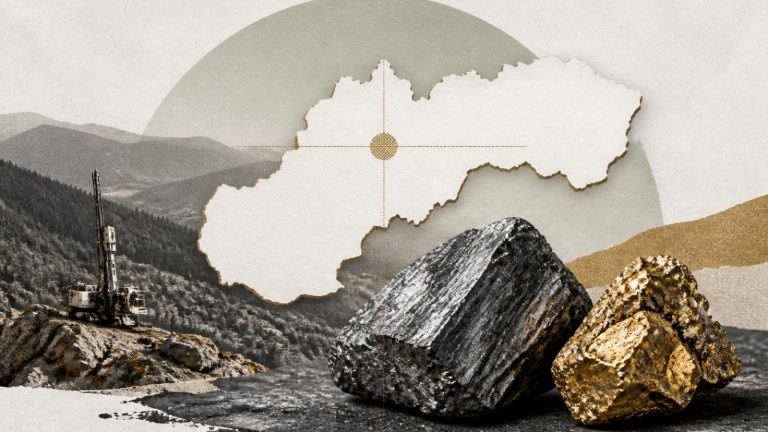
This potential deal follows a significant ruling by Serbia’s top court, which overturned a 2022 government decision to halt a $2.4 billion lithium project by Rio Tinto Group due to environmental concerns. This project, if realized, would be Europe’s largest lithium mine, with an estimated annual production of 58,000 tons of lithium. However, operations are not expected to commence before 2028, pending firm environmental protection measures.
The European Union’s dependency on imported lithium was a major concern addressed in recent legislation aimed at securing supplies of critical minerals. Despite this, progress has been limited to general agreements with allies like Australia, and critics argue that more direct funding is necessary to support developers amid a downturn in battery-metal markets.
The agreement between Serbia and Germany, the EU’s largest economy, comes as Serbia continues its efforts to join the EU. The lithium supply from Serbia would significantly aid Germany’s plans to reduce reliance on gas and coal and to advance the electrification of its automotive industry. In addition to international projects, Germany is also exploring domestic lithium extraction through startups like Vulcan Energy Resources Ltd.