Tag: Central Asia.

  • Eurasian Resources Group Launches Major Wind Farm in Kazakhstan

    Eurasian Resources Group Launches Major Wind Farm in Kazakhstan

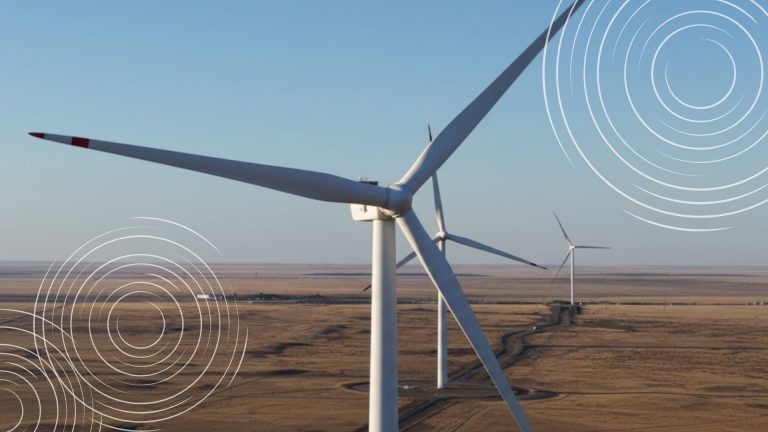
    Eurasian Resources Group (ERG), a global metals and mining company headquartered in Luxembourg, has opened the Khromtau wind farm in Kazakhstan with a capacity of 150 megawatts of green energy. The project is one of the largest renewable energy facilities in Kazakhstan and Central Asia and required an investment of more than US$142 million. The wind farm is located in the Aktobe Region and includes 24 turbines. The facility will generate more than 500 million kilowatt hours of green energy annually. All in all, the facility will help reduce up to 440,000 tonnes of carbon dioxide emissions and save more than 300,000 tonnes of coal each year. The project has been implemented by ERG Capital Projects, a Group subsidiary, with financial support from the Development Bank of Kazakhstan.

    During the opening ceremony of this critical green energy project, Shukhrat Ibragimov, CEO and Chairman of the Board of Directors of ERG, said: “With its Khromtau wind power project, the Group makes a major contribution towards achieving Kazakhstan’s national goal of increasing the share of renewable energy sources. ERG is committed to ESG principles, and the new Khromtau wind power farm is a logical and very ambitious next step while implementing this. ERG’s first wind power project has already become a symbol of our transition to green energy.”

    The ESG Agenda is part of the company’s Strategy. The Group’s medium-term goal is to reduce the carbon footprint of its core products (aluminium, ferroalloys and iron ore pellets) by 30%. To achieve this, ERG is implementing projects with cumulative investments totalling US$300 million. In addition to wind power, these projects include switching the Kacharsky heating centre to gas in the Iron Ore Division, reducing steam consumption and improving the alumina production process in the Aluminium Division, and building a ferroalloy gas recycling power facility at the Aktobe Ferroalloys Plant to convert secondary energy resources into electricity.

  • EU Urged to Prioritise ESG in Central Asia’s Raw Materials Push

    EU Urged to Prioritise ESG in Central Asia’s Raw Materials Push

    The EU must prioritize Environmental, Social, and Governance (ESG) principles in its dealings with Central Asia to secure its access to crucial raw materials, commentators warn.

    The bloc arrived in Samarkand this April with a hefty €13.2 billion Global Gateway package, signaling a desire to move beyond merely buying raw materials from the region. A significant portion, €2.5 billion, is earmarked for new mining and processing projects in Kazakhstan, Uzbekistan, and beyond. This drive is born out of necessity: the EU still relies entirely on China for its heavy rare-earth imports and faces the growing risk of vulnerability.

    While geographically late to the game, Europe has a unique advantage: a reputation for robust ESG practices. Local executives cite European partners as “a sign of quality” due to their unwavering adherence to these standards, something often lacking in Chinese or Russian counterparts. However, this edge relies on Brussels consistently embedding ESG into every euro invested. This means robust monitoring and auditing of remediation plans, transparent royalty structures, and genuine upfront consultation with local communities.

    The EU’s Critical Raw Materials Act (CRMA) sets ambitious goals: attaining 10 percent mining, 40 percent processing, and 25 percent recycling of Europe’s annual CRM demand domestically or in trusted partner states by 2030.

    Realising these goals in Central Asia necessitates investment in sustainable technologies. This includes financing water-efficient processing plants, closed-loop waste systems, and solar-powered smelters, rather than simply opening more exploitative mines.

    The EU’s efforts are beginning to take shape, with the spotlight falling on graphite. Kazakhstan’s Sarytogan deposit has been placed on the EU Commission’s list of “strategic projects” eligible for expedited permits and loan guarantees under the CRMA. Meanwhile, the European Bank for Reconstruction and Development has taken a significant stake in the mine operator, marking a direct investment in the region’s CRM sector. The EU is now actively seeking downstream investors to refine indigenous graphite into anode-grade product, capturing added value that historically flowed to Chinese refiners.

    Lithium development is following a similar trajectory. A partnership between HMS Bergbau and Kazakhstan’s Creada Corporation aims to unlock the potential of Kazakh spodumene through extraction, processing, and refining into battery-ready lithium hydroxide. This would be a direct response to the EU’s new battery-passport regulations, which require materials of a certain purity.

    However, Europe faces a formidable competitor: China. The PRC Mineral Resources Law mandates environmental remediation planning before mining commences, setting a new baseline for responsible resource extraction. While welcomed, the application details remain vague, lacking guarantees on local community engagement and enforcement mechanisms, potentially creating loopholes for exploitation.

    Adding to the pressure, Chinese capital is expanding downstream. East Hope Group’s landmark $12 billion investment in Kazakh non-ferrous metals signifies a vertical integration approach—from mining and smelting to fabrication and renewable power generation. This $12 billion vertical integration project in Kazakhstan showcases China’s willingness to build a fully controllable supply chain.

    Europe must act strategically to counter these challenges.

    Firstly, financial aid should be contingent on stringent ESG benchmarks. EU financing must go hand-in-hand with clear, enforceable standards – ISO-compliant tailings dams, methane monitoring, gender-balanced workforce plans, and robust penalties for non-compliance.

    Secondly, the EU should focus on fostering value-adding industries beyond mining. This means investing in processing plants and recycling facilities, not just mines. By creating domestic processing hubs for cathode powders or rare-earth magnets, the CRMA’s 40 percent processing target can be achieved, generating jobs, technology transfer, and increased tax revenue for beneficiary countries.

    Finally, the EU must simplify visa requirements for Central Asian technical personnel. A targeted visa-facilitation agreement could allow them to train in Europe and return, strengthening the region’s skilled workforce.

    Securing a stable and sustainable supply of raw materials is a critical challenge for the EU. While China’s economic clout is undeniable, Europe has the opportunity to win this race by leveraging its commitment to ESG principles and building a truly sustainable, transparent, and trust-based partnership with Central Asia.

    Time is of the essence. The next 18 months, before China’s revised mining law takes full effect and East Hope’s megaproject begins construction, provide a crucial window for the EU to demonstrate its commitment to ESG beyond rhetoric. The stakes are high, as the fate of Europe’s essential raw materials supply hangs in the balance.

  • Minespider and TETHYS Unite to Digitalize Mining Supply Chains in Türkiye and Central Asia

    Minespider and TETHYS Unite to Digitalize Mining Supply Chains in Türkiye and Central Asia

    Berlin/Istanbul, May 12, 2025 – Minespider, a leading traceability and Digital Product Passport (DPP) platform, has signed a Memorandum of Understanding (MoU) with TETHYS Teknoloji, İnovasyon, Danışmanlık ve Ticaret A.Ş., a subsidiary of Luxembourg-based TETHYS Gateway Investment GP specializing in critical raw materials. The collaboration will develop next-generation digital traceability solutions—focusing on Battery Passports, Digital Product Passports, critical raw materials traceability, and comprehensive ESG data systems—across mining operations in Türkiye and Central Asia.

    This partnership combines TETHYS’s extensive engagement in over a dozen mining projects throughout Türkiye, Central Asia, and the Caucasus region with Minespider’s proven expertise in supply chain digitalization. Together, they will pilot end-to-end systems that embed transparent, verifiable data directly into the mineral supply chain, aiming to:

    • Prevent artisanal mining abuses and curb illicit mining activities

    • Reduce the risk of child labour and human rights violations

    • Ensure compliance with evolving European and global regulations

    • Facilitate market access, particularly into the EU’s regulated markets

    Under the MoU, both partners will jointly pursue technology integration, proof-of-concept developments, and coordinated customer outreach. Their deliverables will include web, mobile, and backend applications that enable traceability, automated regulatory reporting, and real-time ESG data collection throughout exploration, extraction, and production phases.

    “We’re thrilled to partner with TETHYS to bring greater transparency and traceability to mineral supply chains in Türkiye and the Central Asian region,” said Nathan Williams, Founder & CEO of Minespider. “As global demand for responsibly sourced minerals continues to grow, ensuring digital proof of origin and ethical practices is no longer optional—it’s a must. Together with TETHYS, we’re building the digital infrastructure that empowers stakeholders with the data they need to make informed, sustainable decisions.”

    “Our partnership with Minespider is focused on a clear objective: ensuring digital product compatibility for the entire mining lifecycle in Türkiye and Central Asia,” added Leyla Keser Berber, Chairperson of TETHYS. “Through advanced traceability and data systems, we aim to eliminate risks such as illegal mining, artisanal mining abuses, and human rights violations—while supporting industrial players in meeting global regulatory standards.”

    Pilot projects and client engagements are slated to begin shortly, positioning the Minespider–TETHYS alliance as a pioneer in the digital transformation of mining ecosystems across the region.


    Key Facts

    • Türkiye’s mineral diversity: Home to 70 types of natural resources, 60 of which are actively traded internationally.

    • Central Asia’s critical minerals:

      • 38.6 % of global manganese ore

      • 30.07 % of chromium

      • 20 % of lead

      • 12.6 % of zinc

      • 8.7 % of titanium

    • EU regulatory framework: Minerals exported to Europe must comply with the Critical Raw Materials Act (CRMA), Corporate Sustainability Due Diligence Directive (CSDDD), Conflict Minerals Regulation, Battery Regulation, and more.


    About the Companies

    Minespider
    A global traceability platform, Minespider offers Digital Product Passports—digital IDs that carry key data across supply chains. Its clients include Tata Elxsi, Ford Otosan, Renault, Minsur, Luna Smelter, and TEMSA.

    TETHYS Teknoloji, İnovasyon, Danışmanlık ve Ticaret A.Ş.
    Headquartered in Istanbul, TETHYS specializes in critical raw materials, mining innovation, and supply chain digitalization. Its portfolio spans exploration to investment structuring for clients like CVK Mining, Tamer Mining, and Marmotek. TETHYS also facilitates European funding partnerships in sustainability and responsible sourcing.

  • China Deepens Grip on Uzbekistan’s Mineral Sector Amid Global Race for Critical Resources

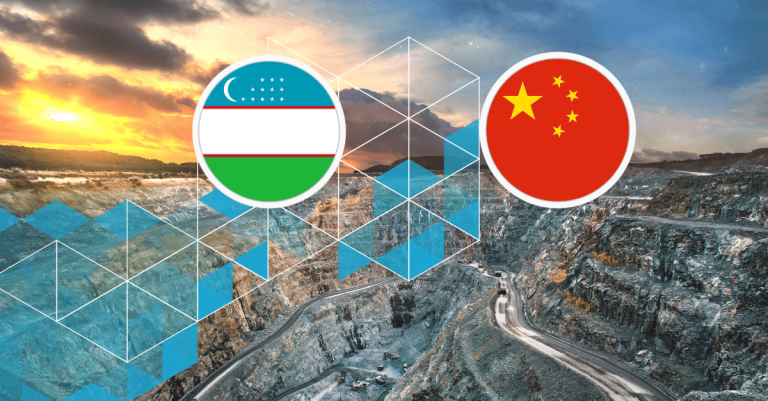
    China Deepens Grip on Uzbekistan’s Mineral Sector Amid Global Race for Critical Resources

    As global powers intensify their pursuit of critical minerals, Central Asia has emerged as a strategic pivot. Among its nations, Uzbekistan stands out—not only for its rich deposits of copper, tungsten, molybdenum, and rare earth elements, but also for its increasingly central role in China’s mineral strategy.

    Already heavily involved in the region’s energy and infrastructure sectors, China has taken a proactive investment stance in Uzbekistan’s mining industry. In 2024, Limaomaoli Metal Company launched construction of the Syurenata mining complex in Parkent, aimed at processing 1 million tons of iron ore concentrate annually. Simultaneously, China Baoli Technologies is investing $200 million in a non-ferrous metal facility in the Ipak Yuli Free Economic Zone, targeting up to 45,000 tons of annual output with $18 million in export potential.

    Copper, a linchpin in global energy transition efforts, is another key focus. China Mining Energy Group is spearheading a $200 million copper mining project in Chust (Namangan region), expected to yield 30,000 tons per year and create 420 local jobs. Additionally, Boi Yi Da is planning a new copper processing plant in the same region, while a $2.7 billion project to tap copper and silver reserves in Bobotog is under negotiation.

    For Uzbekistan, these ventures promise significant job creation, technological transfer, and a move up the value chain—critical steps toward its goal of becoming a producer of value-added mineral products. They also reflect Tashkent’s broader push to localize mineral processing, boost exports, and attract FDI into downstream sectors.

    For Beijing, meanwhile, these deals help secure raw materials essential for its green economy and industrial resilience, while also reducing reliance on vulnerable maritime supply routes. The copper and iron ore flowing from Uzbekistan may soon become vital to China’s supply diversification strategy.

    Yet, the growing Chinese footprint is not without challenges. Concerns around environmental degradation and transparency in resource deals are mounting. Public unease over Chinese firms acquiring mineral rights is increasingly voiced in Uzbek media and civil society. Moreover, critics warn that unless Chinese investments support advanced processing, Uzbekistan risks becoming locked into the role of a mid-tier raw exporter.

    There’s also increasing Western interest. France has inked uranium deals with Tashkent, and the U.S. recently signed a critical minerals investment agreement. China’s accelerated moves may reflect efforts to edge out competitors and reinforce dominance over global mineral supply chains.

    Ultimately, China’s growing influence in Uzbekistan’s mining sector presents both a strategic opportunity and a test. A long-term, mutually beneficial partnership will require more than capital—it will demand transparency, environmental responsibility, and alignment with Uzbekistan’s industrial transformation goals.

  • Central Asia Emerges as Strategic Battleground in Global Race for Rare Earths

    Central Asia Emerges as Strategic Battleground in Global Race for Rare Earths

    Central Asia is rapidly gaining geopolitical significance due to its rich reserves of rare earth elements (REEs) and strategic minerals that are vital for modern technologies, green energy, and defense industries. As global powers intensify their competition for control over these critical resources, the region is transforming into a strategic focal point for economic and political influence.

    According to the U.S. Geological Survey, Central Asia holds a vast share of the world’s strategic minerals: 38.6% of global manganese ore, 30.07% of chromium, 20% of lead, 12.6% of zinc, and 8.7% of titanium. It also possesses essential rare earth elements like scandium, yttrium, and lanthanides. Kazakhstan’s President Kassym-Jomart Tokayev has described rare earths as the “new oil,” underlining their importance to economic transformation and energy independence.

    As the West seeks to reduce dependency on China, Central Asia has become a key alternative supply hub. The U.S. and EU are ramping up investments in the region’s mining sector. Initiatives like the Mineral Security Partnership (MSP), C5+1 Critical Minerals Dialogue, and Team Europe’s Global Gateway aim to build supply chain resilience. France’s Orano is investing $500 million in Uzbekistan, while the EU is backing green infrastructure and mining diversification projects in Kazakhstan and beyond.

    The U.S., through ERICEN and TIFA, is promoting trade diversification and infrastructure investment, while the G7 has committed to investing $200 billion in Central Asia by 2027, with a focus on Kazakhstan.

    Meanwhile, China continues to dominate with $63 billion in regional investments, primarily in mining and infrastructure. Through the Belt and Road Initiative (BRI), it holds strategic stakes in mining projects in Kazakhstan and Kyrgyzstan and is planning to build nuclear reactors to reinforce its grip on energy and resource supply chains. Russia maintains significant trade with Central Asia and leverages mining and energy collaborations to sustain its influence, including nuclear projects in Tajikistan.

    Central Asian states are trying to strike a balance among competing powers. By shifting from raw material suppliers to value-added economies, they aim to strengthen sovereignty while maximizing the benefits of global interest. However, this balancing act comes with risks: environmental degradation, economic overreliance on foreign powers, and exposure to volatile commodity markets.

    The sustainability of this multipolar strategy will shape the region’s economic future. Whether Central Asia can maintain autonomy amid intensifying competition or becomes caught between competing global giants remains a defining question for the coming decade.

  • EU Launches $13.2 Billion Investment Package for Central Asia

    EU Launches $13.2 Billion Investment Package for Central Asia

    European Commission President Ursula von der Leyen has announced the launch of a $13.2 billion investment package for the Central Asian region under the EU’s Global Gateway initiative. Speaking after the Central Asia – EU Summit held on April 4 in Samarkand, Uzbekistan, von der Leyen emphasized the region’s significant share of global reserves and Europe’s commitment to fostering local value chains for critical minerals.

    “By building local value chains, we ensure that the value created remains in the region, generating good jobs and promoting growth for both our partners and Europe,” she stated. The investment aims to align Central Asia’s natural resources and industrial potential with Europe’s sustainability goals.

    The package prioritizes sectors such as transportation infrastructure, energy transmission, and digitalization. A flagship project within this initiative is the Trans-Caspian International Transport Route, which will receive an investment of $11 billion. Additionally, the EU is working on projects to enhance water and energy security in the region, including creating a new green belt in the Aral Sea basin.

    Von der Leyen also highlighted efforts to improve internet connectivity in remote areas of Central Asia through satellite technology, stating that this year alone, 2,000 schools and numerous villages in Kazakhstan will be connected to European satellites, with plans to extend this service to 1,700 villages across the region in subsequent years.

    Another focal point of the summit was critical raw materials essential for a clean economy. The EU has signed Memoranda of Understanding with Kazakhstan and Uzbekistan regarding these minerals and has taken steps to enhance cooperation through a Joint Declaration of Intent on Critical Raw Materials.

    The inaugural summit brought together leaders from all five Central Asian countries and is viewed as a pivotal moment for establishing Brussels’ Global Gateway strategy as a competitor to China’s Belt & Road Initiative. The EU reiterated its commitment to deeper cooperation with Central Asia amid evolving geopolitical dynamics, emphasizing respect for sovereignty and territorial integrity.

    The agenda included discussions on strengthening multilateral ties, addressing shared security threats, enhancing economic cooperation, and advancing initiatives under the Global Gateway program. Key topics also encompassed energy transition, climate neutrality, connectivity, mobility, and cultural exchange.

    As economic ties between Central Asia and Europe strengthen, recent U.S. trade tariffs may further shift regional dynamics. The Trump administration’s tariffs have imposed duties on exports from several Central Asian nations while making the EU an increasingly attractive economic partner. Currently, the EU stands as Central Asia’s second-largest trading partner, accounting for 22.6% of total foreign trade in 2023 and being responsible for over 40% of foreign investment inflows into the region.

  • Kazakhstan Discovers Massive Rare Earth Metals Deposit, Potentially Reshaping Global Market

    Kazakhstan Discovers Massive Rare Earth Metals Deposit, Potentially Reshaping Global Market

    Kazakhstan has uncovered significant rare earth metal deposits during exploration work at the Kuyrektikol site, according to an official statement. The Central Geological Survey Company (Centrgeolsyomka) identified several promising areas with total resources estimated at one million tons, positioning the country as a potential global leader in rare earth elements (REEs).

    Located 300 km southeast of Astana in the Karkaraly district, the Kuyrektikol site features ancient volcanic formations rich in REEs, with the Irgyz and Dos 2 areas showing particularly high concentrations exceeding 0.1%, and in some samples reaching 0.25%. Preliminary estimates suggest 800,000 tons of metals in the Irgyz block alone, with drilling indicating continuous ore bodies.

    Additionally, a newly identified prospective zone, named “Zhana Kazakhstan” (New Kazakhstan), extends the mineralized area and is estimated to hold over 20 million tons of REEs at an average grade of 700 grams per ton. Authorities claim this deposit represents a new industrial type of rare earth mineralization, unprecedented in Kazakhstan.

    The discovery could propel Kazakhstan to the forefront of the global rare earth market, boosting its high-tech industry. Meanwhile, geopolitical tensions over REEs continue, as US President Donald Trump recently linked military aid to Ukraine to access to its rare earth resources. Ukrainian President Volodymyr Zelensky initially rejected such a deal, citing lack of guarantees, but negotiations continue with a revised US proposal.

  • Kazakhstan to Supply EU with Critical Raw Materials Under New Agreements

    Kazakhstan to Supply EU with Critical Raw Materials Under New Agreements

    Kazakhstan has signed a landmark agreement to supply the European Union (EU) with critical raw materials, essential for modern industries and technologies. The deal was finalized during a visit by European Commissioner for International Partnerships Jutta Urpilainen to Kazakhstan, as reported by the EU Representation in the country.

    The agreement includes a €3 million contract aimed at fostering cooperation between the EU and Central Asia in the field of critical raw materials. Funding will be provided by the European Bank for Reconstruction and Development (EBRD), with a focus on joint projects to establish reliable supply chains for these resources. Critical raw materials, such as rare earth metals, copper, aluminum, uranium, phosphorus, and potassium, are vital for sectors like technology, energy, defense, and transportation.

    Urpilainen emphasized the importance of the partnership, stating, “Europe needs reliable access to critical raw materials to modernize its economy. We are committed to mutually beneficial cooperation with Kazakhstan in their extraction and development. This partnership supports all Central Asian countries, boosts Kazakhstan’s economy, strengthens its industrial potential, and creates new opportunities for businesses, innovation, and high-quality jobs.”

    In addition to the raw materials agreement, the EU and Kazakhstan signed a €200 million loan deal between the European Investment Bank (EIB) and the Kazakhstan Development Bank. The EU will provide an €18 million guarantee for the loan, which Kazakhstan plans to allocate toward developing transport infrastructure and renewable energy sources.

    During the visit, Kazakh President Kassym-Jomart Tokayev also met with Urpilainen at the Akorda Presidential Palace, underscoring the growing partnership between Kazakhstan and the EU.

  • Kazakhstan’s Investment Strategy Amid Geopolitical Shifts: Challenges and Opportunities

    Kazakhstan’s Investment Strategy Amid Geopolitical Shifts: Challenges and Opportunities

    Amid the ongoing war in Ukraine and geopolitical tensions, Kazakhstan is positioning itself to attract $150 billion in foreign direct investment (FDI) by 2029. The conflict has provided Central Asian nations, including Kazakhstan, opportunities to strengthen economic ties with the West. In 2022-2023, the Netherlands emerged as the leading investor, contributing over $12 billion to Kazakhstan’s economy, followed by the US and Switzerland.

    However, despite its ambitious goals, Kazakhstan faces challenges. In 2023, FDI inflows dropped by 32.3%, reflecting a lack of comprehensive development strategies for industries and regions. To counteract this, the government has introduced initiatives inspired by British and UAE models, notably through the Astana International Financial Center, which is modeled after Dubai’s financial hub. These measures aim to attract global investors by offering tax breaks, reduced bureaucracy, and a regulatory framework based on British Common Law principles.

    Kazakhstan is also focusing on long-term agreements with foreign companies, particularly in its oil and gas sector. President Kassym-Jomart Tokayev acknowledged that renegotiating production-sharing agreements on favorable terms is essential for securing large investments. However, some companies view these moves as signs of “resource nationalism.”

    Further strategies include initiatives like the Digital Nomad visa to attract remote workers and businesses relocating from Russia. Kazakhstan has already attracted 41 foreign companies worth over $1.5 billion and is in talks with Chinese firms such as Xiaomi and TCL to move production facilities.

    The geopolitical realignment caused by sanctions on Russia has also funneled trade through Central Asia, benefiting Kazakhstan’s economy. The government is investing in developing the Trans-Caspian International Transport Route to strengthen its trade links with Europe and Asia.

    Despite inflation and economic stability challenges, Kazakhstan’s prospects remain strong. The country is now ranked among the world’s top 35 most competitive nations, with the Asian Development Bank projecting 5.1% economic growth by 2025. Kazakhstan’s strategic location, trade agreements, and ongoing reforms position it well to become a regional economic leader.

  • Central Asia in Focus: U.S. Senators Call for Increased Engagement

    Central Asia in Focus: U.S. Senators Call for Increased Engagement

    In a move that could redefine U.S. relations with Central Asia, the Trump administration is signaling readiness to repeal the decades-old Jackson-Vanik Amendment, a Cold War-era trade restriction that has long hindered stronger economic ties with the region. The potential policy shift, highlighted during the recent Senate confirmation hearing for then-designate Secretary of State Marco Rubio, could pave the way for expanded cooperation on trade, energy, critical minerals, and counterterrorism efforts in a strategically vital part of the world.

    A Long-Overdue Repeal

    The Jackson-Vanik Amendment, originally enacted in 1974, was designed to pressure nonmarket economies—primarily the Soviet Union—to allow freedom of emigration by imposing trade barriers. While most former Soviet republics have since been exempted from its provisions, five Central Asian nations—Kazakhstan, Uzbekistan, Tajikistan, Turkmenistan, and Azerbaijan—remain subject to its restrictions. Critics argue that the amendment is an outdated relic with no relevance to today’s geopolitical realities.

    During his confirmation hearing, Senator Steve Daines (R-MT) pressed Rubio on the need to repeal Jackson-Vanik, emphasizing its negative impact on U.S.-Central Asia relations. Rubio appeared to agree, calling the amendment “an absurd relic of the past.” This bipartisan acknowledgment signals growing momentum for legislative action, particularly as lawmakers like Senators Chris Murphy (D-CT) and Todd Young (R-IN), along with Representative Jimmy Panetta (D-CA), have already introduced bills aimed at granting permanent normal trade relations (PNTR) to key Central Asian states.

    Repealing Jackson-Vanik would not only remove unnecessary trade barriers but also position the United States as a more attractive partner for investment and collaboration in a region increasingly dominated by Russia and China.

    Strategic Opportunities Abound

    Central Asia, home to resource-rich nations like Kazakhstan and Uzbekistan, offers immense untapped potential for U.S. businesses and strategic interests. Kazakhstan, the region’s largest economy, is spearheading the development of the Trans-Caspian International Transport Route, or “Middle Corridor,” which aims to connect Europe and Asia via rail and maritime links while bypassing Russia. Strengthening U.S. involvement in this initiative could bolster European energy security and reduce Moscow’s influence over global markets.

    Kazakhstan also holds significant reserves of rare earth elements—critical components for green energy technologies and advanced electronics. Currently, China dominates global production and processing of these materials, controlling over 85% of the supply chain. By establishing PNTR and fostering closer trade ties with Kazakhstan, the United States could diversify its sources of critical minerals and reduce reliance on Beijing.

    Similarly, Uzbekistan, under President Shavkat Mirziyoyev’s reformist leadership, is opening its doors to foreign investors and seeking to modernize its rapidly growing economy. Tashkent recently signed an agreement with Washington to support its bid to join the World Trade Organization (WTO). With PNTR status, Uzbekistan could emerge as a competitive hub for IT exports, rivaling Eastern Europe and India.

    Countering Russian and Chinese Influence

    Beyond economics, deeper engagement with Central Asia aligns with broader U.S. goals of countering Russian and Chinese dominance in the region. Beijing’s Belt and Road Initiative (BRI) has financed infrastructure projects across Central Asia, often saddling countries with unsustainable debt. For instance, Kyrgyzstan owes nearly 37% of its external liabilities to China’s Export-Import Bank. By offering high-quality alternatives through public-private partnerships and financing mechanisms like the U.S. International Development Finance Corporation (DFC), Washington can provide Central Asian nations with viable alternatives to predatory lending practices.

    Energy diplomacy presents another avenue for U.S. influence. Supporting projects such as an undersea gas pipeline from Turkmenistan to Azerbaijan could unlock new routes for hydrocarbon exports to Europe, driving down energy prices and aiding industrial revitalization. Such initiatives align with President Trump’s vision of reducing Russia’s stranglehold on European energy markets.

    A Historic Presidential Visit?

    Looking ahead, experts suggest that President Trump should consider making a landmark visit to Central Asia—the first by a sitting U.S. president. Such a trip could yield tangible outcomes, including deals on energy cooperation, mining rights for critical minerals, and enhanced trade agreements. Given Kazakhstan’s vast reserves of rare earth elements, a bilateral agreement on mineral extraction could serve as a major diplomatic win.

    Counterterrorism Collaboration

    Finally, Central Asia remains a crucial front in the fight against terrorism, especially given its proximity to Afghanistan. With U.S. troops having withdrawn from Afghanistan in 2021, regional partners are essential for intelligence sharing, border security, and counter-radicalization efforts. Facilitating regional cooperation among Central Asian states on counterterrorism initiatives would further stabilize the area and protect U.S. national security interests.

    A Policy Shift Long Overdue

    As the Trump administration contemplates its approach to Central Asia, repealing the Jackson-Vanik Amendment represents a practical and symbolic starting point. By removing outdated barriers and embracing opportunities for collaboration, the United States can strengthen its presence in a region where it has historically lagged behind competitors like Russia and China.

    For Central Asian leaders eager to diversify their international partnerships, the prospect of closer ties with Washington offers hope for economic growth and greater geopolitical balance. And for the United States, engaging more deeply with Central Asia promises both immediate economic benefits and long-term strategic advantages.