Central Asia is emerging as a pivotal player in the global nuclear energy landscape, with Kazakhstan at the forefront due to its substantial uranium reserves. Expert Iqbal Guliyev from MGIMO highlights the region’s pragmatic approach to nuclear energy, particularly in its interactions with the International Atomic Energy Agency (IAEA). The region’s nuclear projects are attracting international attention, as evidenced by frequent visits from IAEA Director General Rafael Grossi, who engages with regional leaders to discuss long-term cooperation and strategic roadmaps.
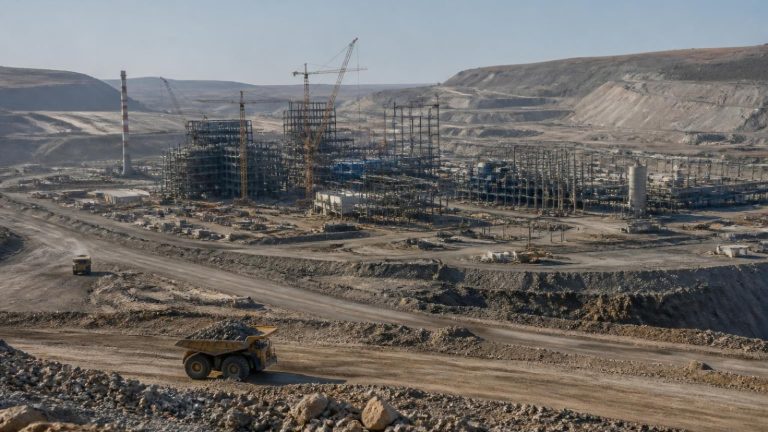
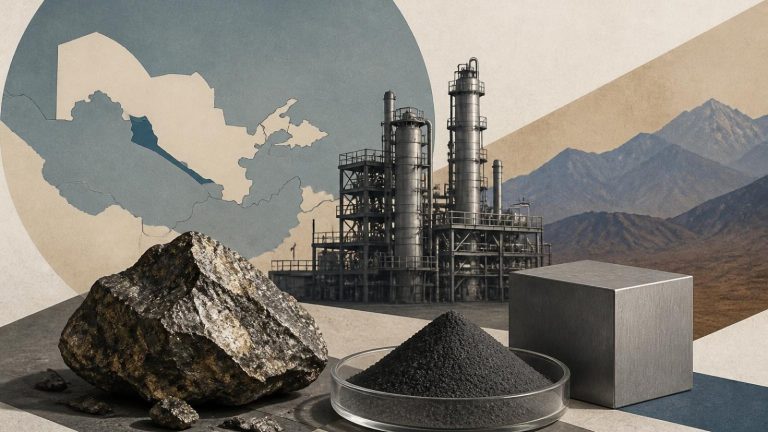
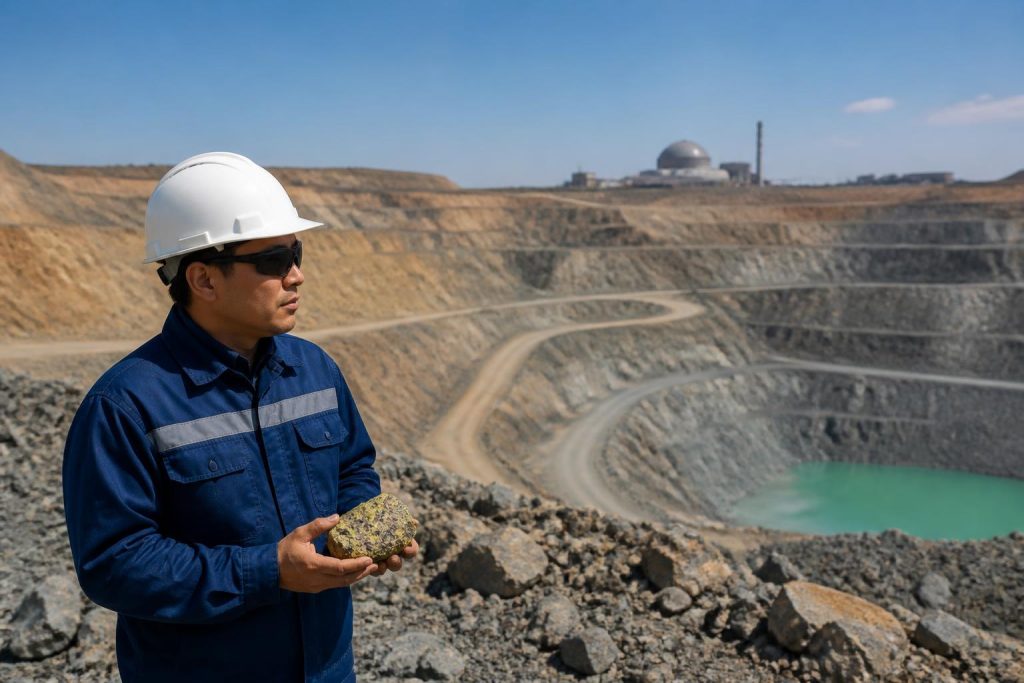
The geopolitical context, marked by crises and sanctions, has disrupted traditional supply chains, making reliable nuclear fuel supply a critical concern for the United States and the European Union. For Central Asian countries, which are eager to move beyond their roles as mere raw material suppliers, this presents an opportunity to become full-fledged technological partners in nuclear energy. Kazakhstan, a global leader in uranium production, supplying about 40% of the world’s needs, is looking to not only export uranium but also participate in the entire nuclear fuel cycle.
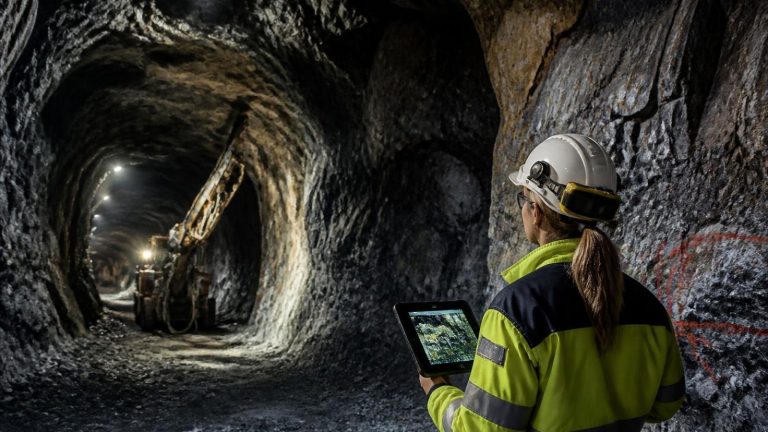
Guliyev emphasizes that while Kazakhstan’s potential as a full-cycle nuclear player is significant, the country has yet to establish this capability fully. He notes that while Kazakhstan has a robust uranium base and can develop processing and production infrastructure, the more complex stages of conversion and enrichment require international cooperation rather than complete technological autonomy. The ongoing sanctions and logistical challenges indeed compel market participants to diversify uranium supply routes, but Guliyev warns against conflating geopolitical assumptions with verified facts.
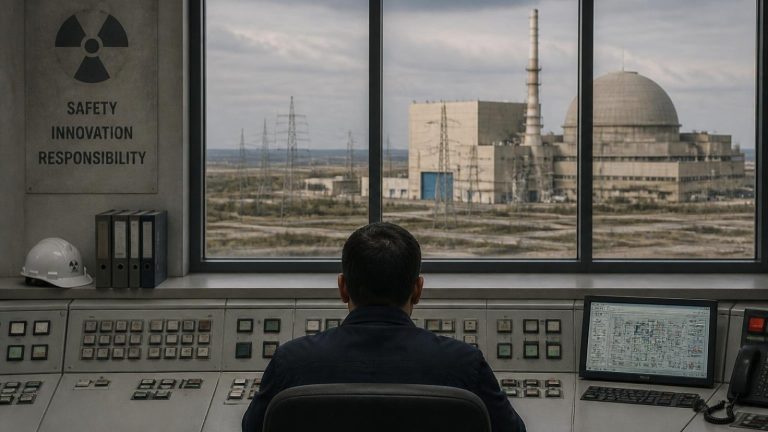
The close collaboration with the IAEA serves as a means for Central Asian states to safeguard their national interests, with nuclear power plants (NPPs) seen as vital for economic survival amid acute electricity shortages. Kazakhstan and Uzbekistan are central to this competition, with various international corporations, including Russia’s Rosatom and China’s CNNC, proposing NPP projects in the region.
Guliyev argues that the presence of the IAEA is not about pushing narrow geopolitical interests but rather about ensuring safety and compliance with international norms. The agency’s role is to provide oversight and guarantees rather than to dictate commercial partnerships. For Kazakhstan, this means international scrutiny and support for its nuclear projects, including those involving Rosatom, without political interference in the selection of technology partners.
Beyond geopolitics, Grossi’s visits also have humanitarian implications, fostering cooperation in nuclear medicine and food security. Initiatives like the ‘Rays of Hope’ project aim to combat cancer, while agreements on using radiation technologies in agriculture are crucial for a region still haunted by the legacy of nuclear testing. These developments are essential for building public trust in nuclear technologies, especially in Kazakhstan, where historical memories of the Semipalatinsk test site linger.
In conclusion, Central Asia is strategically leveraging its uranium resources, establishing itself as a key energy hub in Eurasia while fostering strong partnerships with the IAEA. This relationship not only enhances the predictability of the uranium market but also allows Central Asian nations, particularly Kazakhstan, to navigate the interests of major powers like Russia, China, and the USA while maintaining control over their energy independence. The IAEA’s involvement does not contradict Kazakhstan’s collaborations with Russia but rather reinforces trust in projects involving Russian technology, enabling Kazakhstan to develop its nuclear energy capabilities within a framework of international legitimacy.