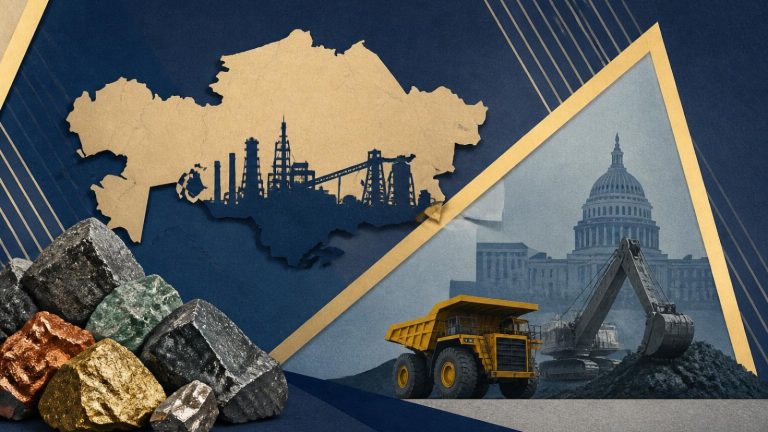
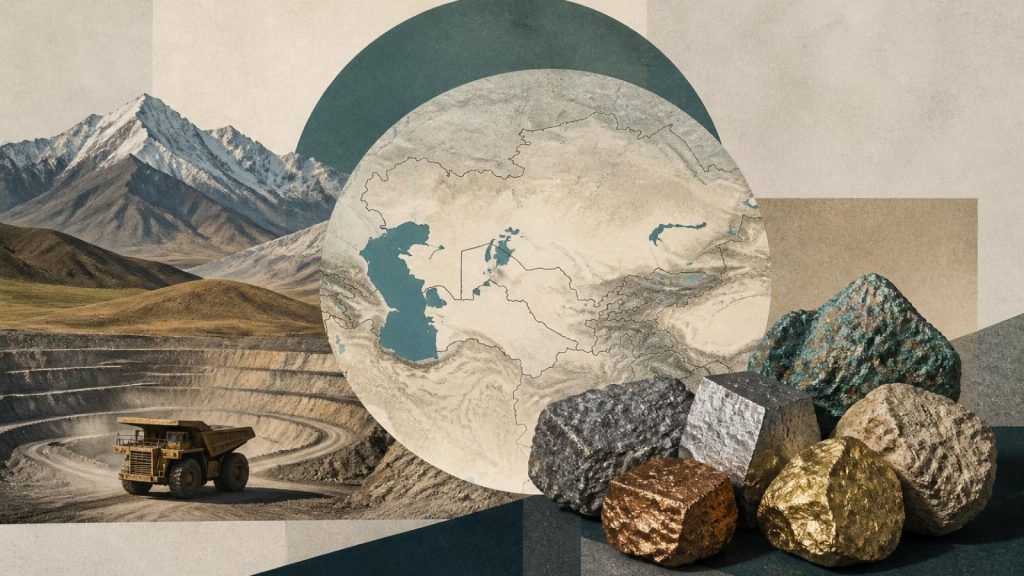
As global demand for critical minerals is projected to surge in the coming decades, Central Asia stands out as a region with significant yet largely untapped potential. This OECD policy paper provides a comprehensive overview of the current state of critical minerals in Central Asia, highlighting the unique challenges and opportunities that the region faces in developing its mining sector. The paper emphasizes the importance of critical minerals in supporting green and digital transitions, as well as their strategic relevance in global geopolitics.
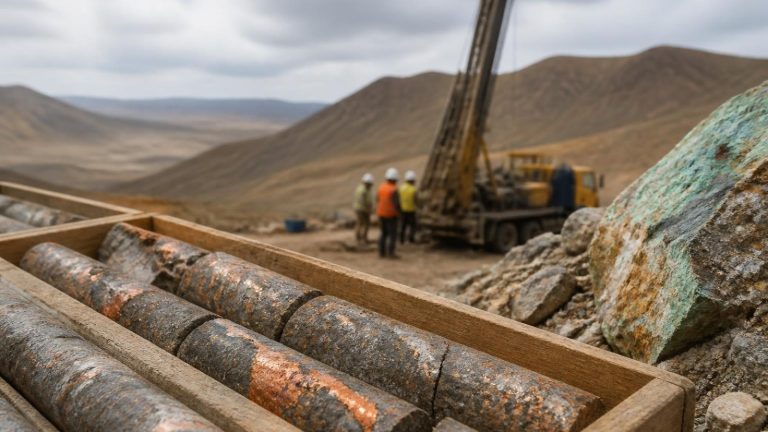
Central Asia is endowed with substantial reserves of critical minerals, including uranium, lithium, and various base metals. Kazakhstan, for instance, is already the world’s largest uranium producer and has significant reserves of chromium, zinc, and lead. Meanwhile, the Kyrgyz Republic and Tajikistan are home to some of the largest antimony reserves globally, and Uzbekistan boasts the eleventh-largest copper reserves. Despite this wealth, the region’s mining sector has historically suffered from under-investment and lacks the necessary infrastructure and regulatory frameworks to attract foreign investment effectively.
The paper outlines several key challenges facing Central Asia’s critical minerals sector. These include environmental concerns, such as the impact of mining on water resources and greenhouse gas emissions, as well as social issues related to labour rights and community engagement. The dominance of state-owned enterprises (SOEs) in the mining sector complicates governance and transparency, while the region’s landlocked geography and proximity to countries under international sanctions pose logistical hurdles for developing new supply chains.
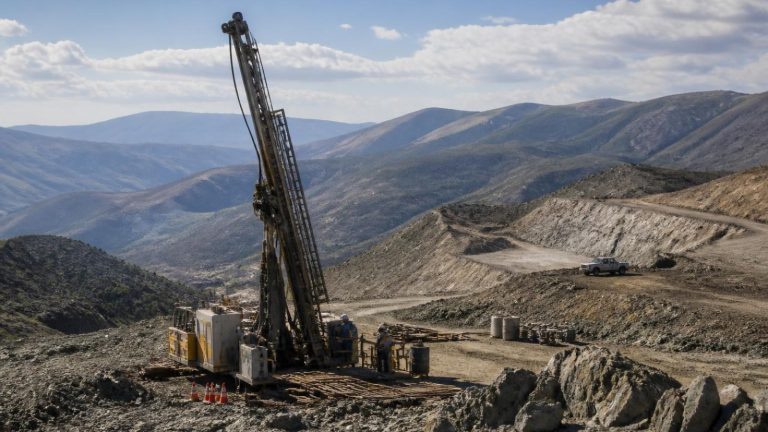
To address these challenges, the OECD paper offers targeted policy recommendations for Central Asian governments. These include enhancing geological mapping and exploration efforts, clarifying legislation to attract foreign investment, promoting responsible business conduct, and integrating environmental and social governance (ESG) considerations into mining practices. By implementing these strategies, Central Asian countries can position themselves as reliable partners in global critical mineral supply chains, ultimately contributing to sustainable economic development in the region.
In conclusion, while Central Asia’s critical mineral potential remains largely untapped, the region’s governments are beginning to recognize the strategic importance of these resources. With ongoing reforms and international cooperation, there is a significant opportunity for Central Asia to emerge as a key player in the global critical minerals market, provided that the necessary investments and policy frameworks are put in place.