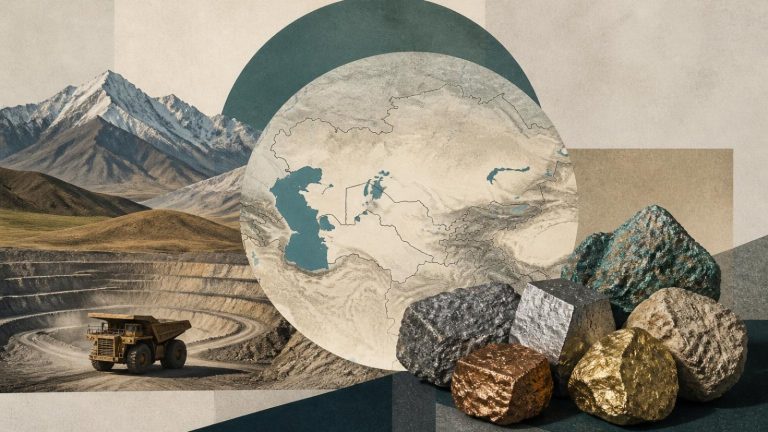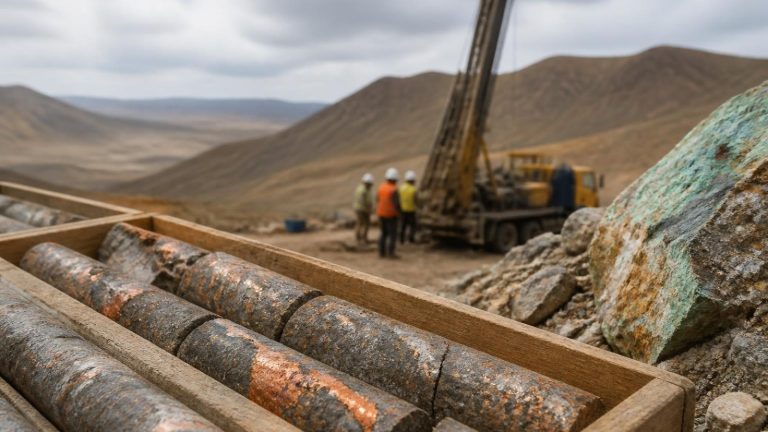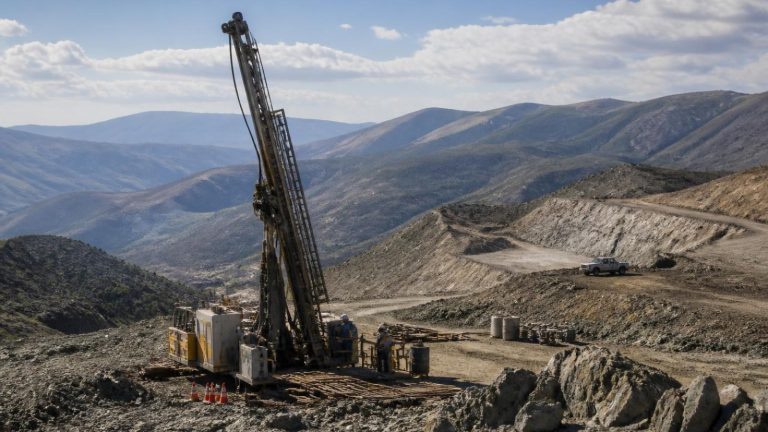
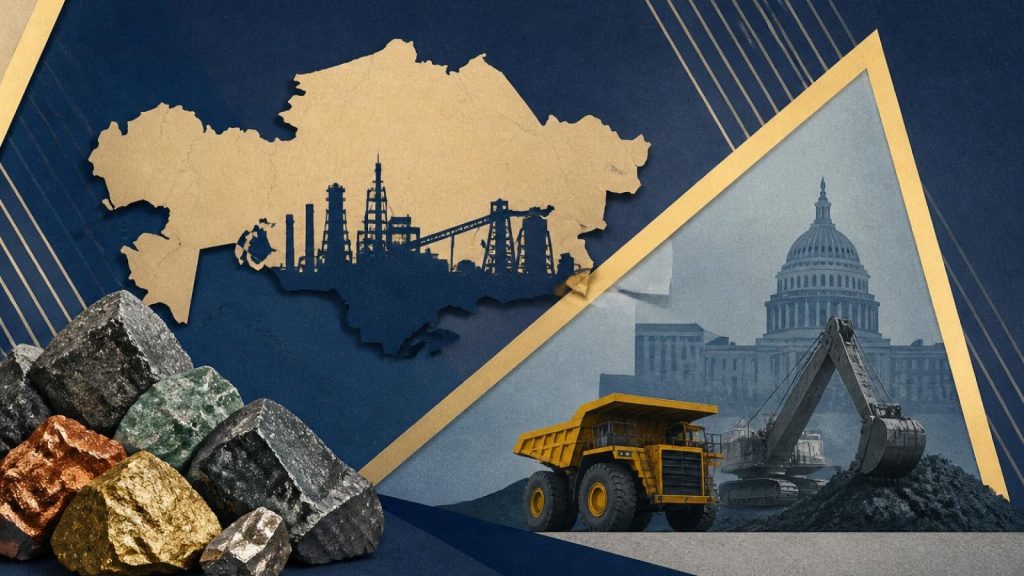
On 10 November 2026, Kazakhstan’s mining and processing capabilities were prominently highlighted at the B20 USA Summit in Washington, where Kanat Sharlapayev, chairman of the presidium of Kazakhstan’s Atameken National Chamber of Entrepreneurs, outlined the country’s critical role in the U.S. supply chains for essential minerals. Sharlapayev emphasized that Kazakhstan is not only rich in resources but also a processing hub, making it an attractive destination for U.S. investments. He identified four key advantages for potential investors: a wealth of mineral resources, robust investor protections, well-established transport infrastructure, and a skilled domestic workforce.
Kazakhstan is a leading producer of uranium, copper, zinc, lead, and ferroalloys, with Sharlapayev noting that approximately 25% of the uranium used in U.S. nuclear power plants is sourced from Kazakhstan. In 2025, Kazakh-origin uranium accounted for 28% of deliveries to American civilian nuclear operators, ranking second only to Canada. Additionally, Kazakhstan holds a significant position in the global aerospace titanium market, supplying around 20% of the demand, with its Ust-Kamenogorsk Titanium and Magnesium Plant being a certified supplier for major manufacturers like Boeing and Airbus.
During the summit, Sharlapayev also mentioned Kazakhstan’s production of high-purity manganese sulfate, a crucial component in battery manufacturing, further diversifying its mineral offerings. At a preceding Kazakhstan-U.S. business roundtable, he cited successful manufacturing investments from companies such as PepsiCo and Wabtec, which extend beyond traditional commodity sectors.
The framework for mining operations in Kazakhstan has been bolstered by the Subsoil and Subsoil Use Code, adopted in 2017, which introduced a licensing system inspired by Western Australian practices. Sharlapayev stressed the importance of safeguarding exploration rights to encourage investment in mineral deposits. With an extensive railway network of 23,000 kilometers, Kazakhstan facilitates efficient transportation of extracted minerals to processing facilities and export markets.
Chawla, representing the U.S. State Department, acknowledged Kazakhstan’s mining regulations while underscoring the necessity for reliable contracts and predictable licensing to attract investment in Central Asia. He pointed out that capital is not the primary barrier to developing critical minerals projects; instead, stable pricing and long-term purchasing commitments are essential for making investments viable.
Chawla highlighted the Orion Critical Mineral Consortium, a $1.8 billion initiative supported by the U.S. International Development Finance Corporation, aimed at targeting mineral assets that are already in production or nearing production. He also mentioned the importance of the Trans-Caspian corridor and the proposed Trump Route for International Peace and Prosperity as routes that could enhance access to European markets for Central Asian minerals.
Wilson, from the Center for International Private Enterprise, identified several challenges facing mining investment in the region, including outdated geological data and financing difficulties for smaller mining companies. He advocated for improved regional coordination on processing and transport, emphasizing the need for timely government decisions and stable fiscal terms.
Sharlapayev concluded by asserting that reliability and sustainability should be prioritized in developing diversified mineral supply chains, stating, “Mining is a slow business. But if you don’t start today, there’s zero expectation that we’re going to get something out of it tomorrow.” He called for accelerated exploration, financing, and production over the next year, urging stakeholders to act promptly to realise Kazakhstan’s mining potential.