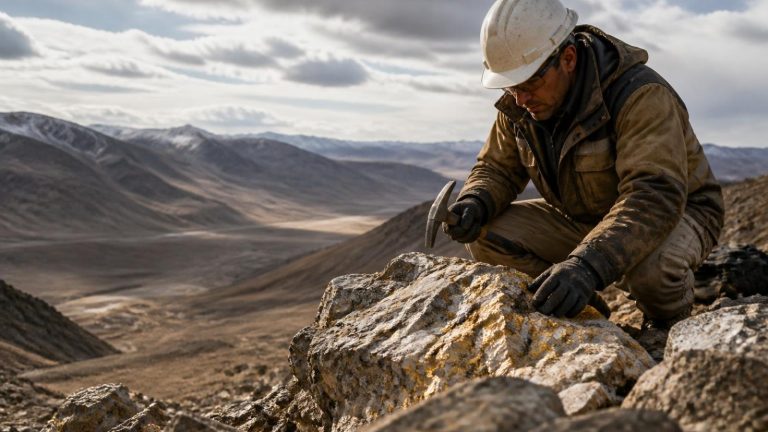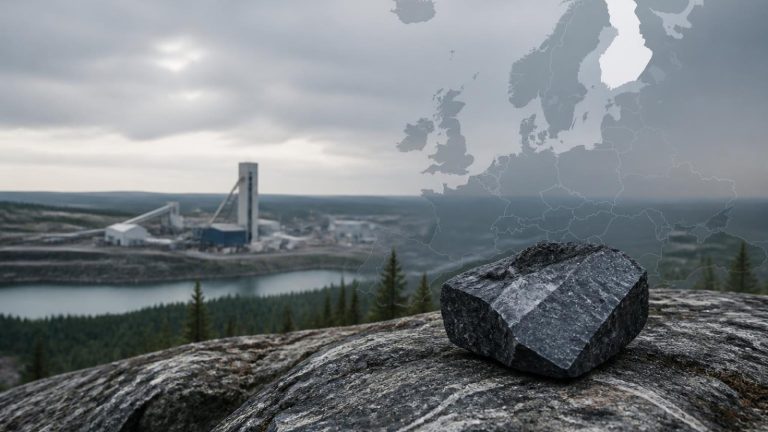
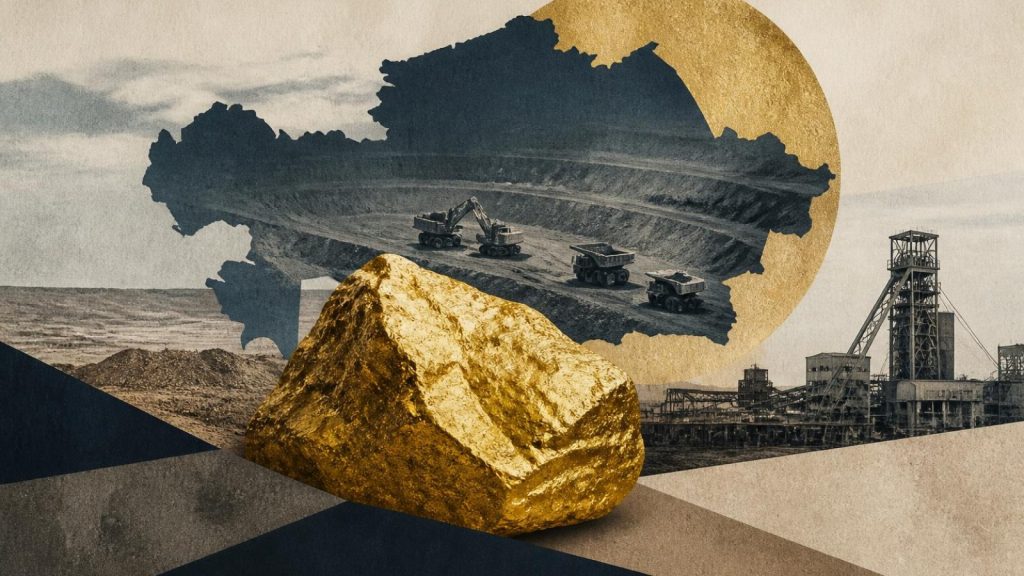
Altyntau Kokshetau, part of Kazzinc, has put a mining plan for the Vasilkovskoye deposit, 17 km from Kokshetau, to public hearings. The plan envisages 17 years of underground mining from 2027, with 22.4 Mt of ore yielding 40.5 t of gold. Capex is $802m, net cash flow $951m and projected revenue about $4.4bn. Output ramps from 7,000 t of ore in 2027 to 2.5 Mt a year by 2033, then declines. A regulatory filing indicates open-pit mining ends in 2026, so this is a replacement for the pit’s production. ecoportal
What the numbers imply. 40.5 t is about 1.3m oz, so $4.4bn implies roughly $3,400/oz. Spot gold was about $4,066/oz on 6 November, so the plan looks conservative on price, or its revenue includes by-products. The $951m net cash flow is about a fifth of revenue and is presumably undiscounted. The plan recovers about a fifth of the 190.4 t resource. pricegold
Why it matters to Kazzinc. Kazzinc is Kazakhstan’s largest gold producer. It earned $771.3m in 2025, up 67%, so the capex is close to a year’s profit. Own-sourced zinc output fell 5% in January–September 2026, which raises gold’s weight in the group. Kazzinc cuts zinc, boosts silver production +2
The sale. Bloomberg reported that Shakhmurat Mutalip was discussing the purchase of Glencore’s 70% stake for roughly $4bn–4.5bn. The FT put it at about $3.5bn. That implies $5bn–6.4bn for the whole company. A costed mine plan helps the seller, but Vasilkovskoye’s nominal $951m is a small part of that valuation. mining
The other shareholder: Tau-Ken Samruk. The state holds the 29.82% that matters most to any deal. Tau-Ken Samruk, the mining arm of the sovereign fund Samruk-Kazyna, has owned the stake since 2013. It cost $1.65bn and was reportedly bought with borrowed money, which implies about $5.5bn for 100%. That is within the range now being discussed, so the state’s investment has not gained value in 13 years of high gold prices. Its pro rata share of 2025 profit is about $230m (my calculation, not a cash dividend). kapitalmoneyweek
Tau-Ken said in January 2026 that it does not plan to sell its stake. Earlier it said it had no information on any talks between Glencore and third parties. In July Samruk-Kazyna’s chief executive, Nurlan Zhakupov, met Glencore’s chief executive, Gary Nagle, to discuss Glencore’s operations and prospects for expanding cooperation. That signals that the state is part of any negotiation. kursivsk
Marketing rights are a second point of leverage. Kazzinc is reported to be opening its metal sales to rival traders, with Glencore holding a right to match the best bid. A new owner, a funding trader or the state could each seek different terms. Tau-Ken did not respond to requests for comment on that report. One local analyst argues that the state should demand environmental improvements before it lets Glencore exit. miningkursiv