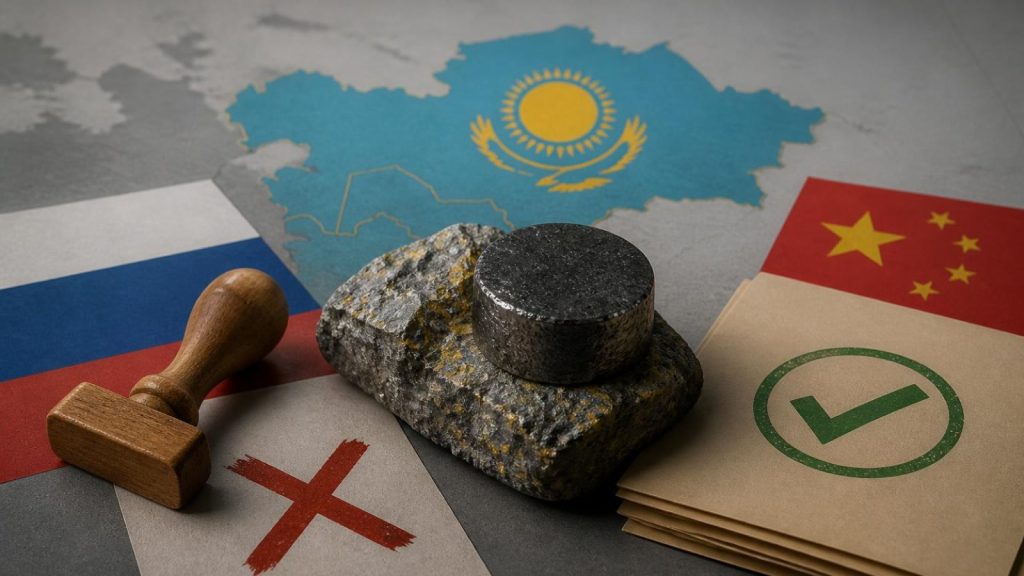
Kazakhstan’s national uranium company, Kazatomprom, has made headlines by rejecting a proposed uranium supply deal with the Russian company Uranium One Group, which is affiliated with the state corporation Rosatom. This decision was made during an extraordinary shareholders’ meeting held on 7 October , where a significant majority of 88.34% of voting shareholders abstained from voting on the deal. Only 5.39% voted in favour, while 6.27% opposed it, falling short of the simple majority required for approval. The reasons behind the shareholders’ disapproval remain unclear, as Kazatomprom has not disclosed any specific details regarding the potential deal.
In contrast, during the same meeting, Kazatomprom approved a separate transaction with the Chinese company State Nuclear Uranium Resource Development Company Limited (SNURDC). This contract involves the sale of uranium concentrate, although the financial details of the agreement have not been revealed. The approval for this deal was more decisive, with 88.63% of participants voting in favour, while only 6.49% opposed it.
Kazatomprom is primarily owned by the Samruk-Kazyna fund, which holds 62% of the shares, while the Kazakh Ministry of Finance owns 12%. The remaining 25% of shares are publicly traded on the Astana International Exchange and the London Stock Exchange. Uranium One Group had intended to procure uranium from Kazakhstan for processing at its facility in Siberia. The company, under Rosatom’s management, is engaged in uranium extraction and exploration, including projects in Kazakhstan, such as the Budenovskoye project in collaboration with Kazatomprom.
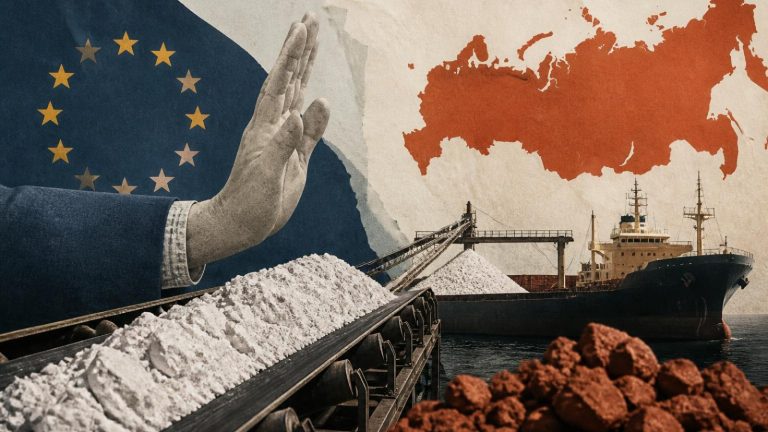
The backdrop to these developments is the increasing pressure faced by Rosatom due to Western sanctions following Russia’s invasion of Ukraine. While Rosatom itself is not directly sanctioned, several of its subsidiaries and executives are affected by these restrictions. Additionally, Rosatom has been selected as the builder for Kazakhstan’s first nuclear power plant, which is planned to be constructed in the Almaty region near Lake Balkhash. This situation highlights the complex dynamics of international uranium trade and the geopolitical implications surrounding energy resources in the region.