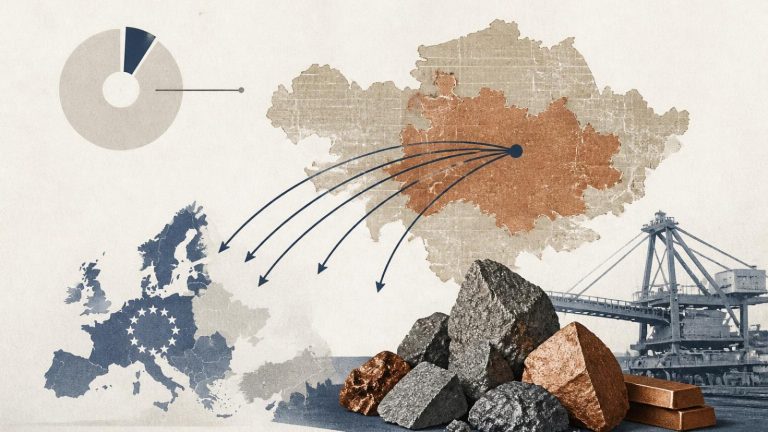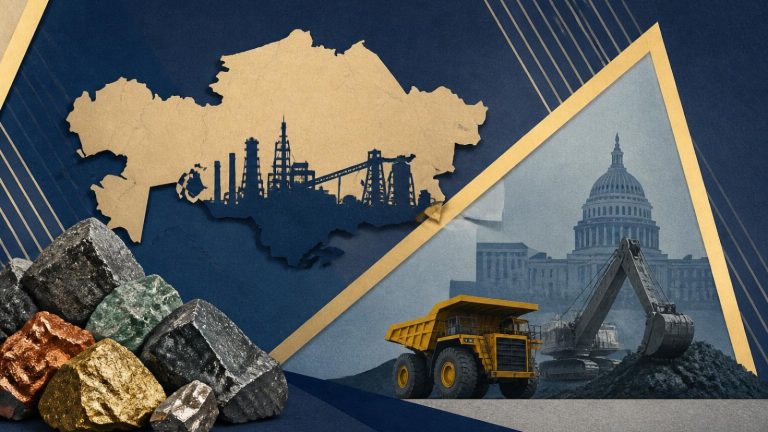
Kazakhstan, a country rich in copper resources, faces significant challenges in developing its metallurgy sector, particularly in copper processing. Despite a substantial increase in copper ore extraction from 38.5 million tonnes in 1990 to 163.7 million tonnes today, the production of refined copper has stagnated. This disparity highlights the need for Kazakhstan to transition from a raw material exporter to a producer of high-value-added products. Prime Minister Olzhas Bektenov recently emphasised the importance of ensuring long-term supply of raw materials to domestic metallurgical enterprises and attracting investments in deep processing.
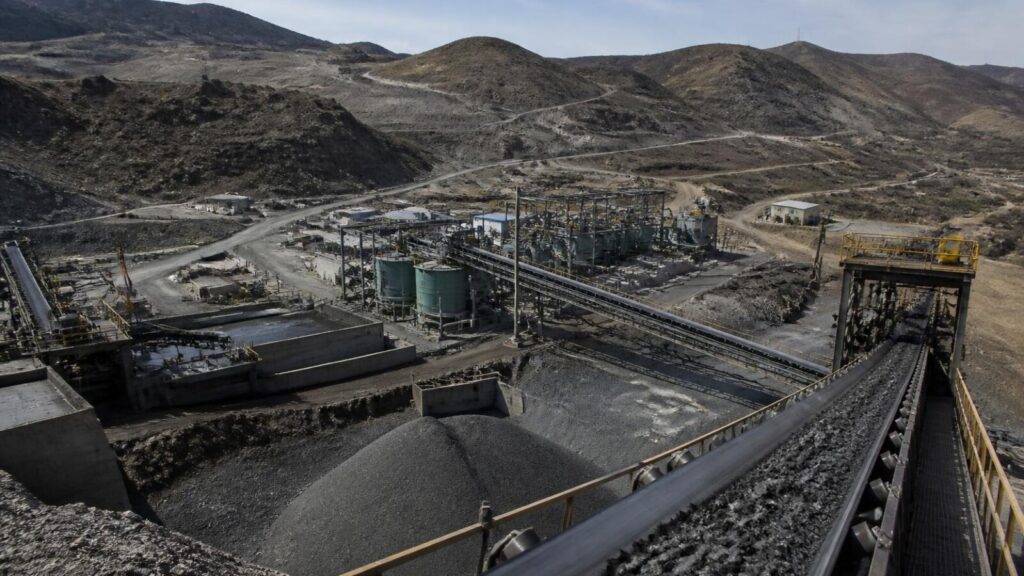
The current state of the copper industry in Kazakhstan is concerning. Many existing metallurgical plants, such as the Balkhash Copper Smelting Plant, established in 1938, are outdated and require significant investment for modernisation. The global copper processing economy is also undergoing a crisis, with treatment charges dropping to zero in 2026, making it challenging for smelting plants to operate profitably. This situation is compounded by rising operational costs, including energy and labour, which have not decreased despite the falling treatment charges.
Kazakhstan’s reliance on outdated facilities poses a risk to its metallurgical capabilities. The country must find a balance between the interests of mining companies and processors to ensure sustainable development. While some countries, like Indonesia and the Democratic Republic of Congo, have imposed restrictions on raw material exports to promote domestic processing, Kazakhstan needs to create conducive economic conditions for its own processing industry.
The development of metallurgy is not merely about increasing copper production; it has far-reaching implications for the economy. A robust metallurgy sector can stimulate demand for raw materials, promote exploration, and support downstream industries such as cable and wire production. The economic benefits extend beyond immediate production, fostering job creation, tax revenues, and the development of related sectors.
Kazakhstan’s path to a sustainable metallurgy industry hinges on attracting investments and modernising existing facilities. The government must establish clear economic conditions that encourage private investment while ensuring that the country retains control over its valuable resources. The future of Kazakhstan’s metallurgy is not just about copper; it is about building a resilient industrial base that can support generations to come.