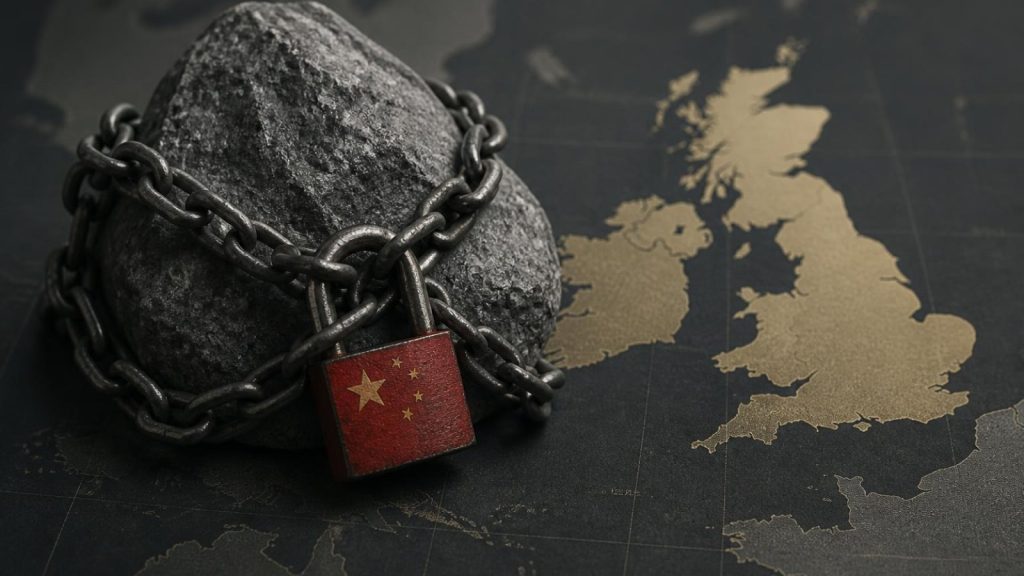
In a stark warning issued on 5 November 2026, the Business, Innovation, Science and Trade Committee has highlighted Britain’s precarious reliance on Chinese critical minerals, urging immediate action to secure the nation’s supply chains. Sixteen years after China first leveraged its dominance over rare earth elements as a geopolitical tool, the UK remains vulnerable to economic coercion, a situation that poses significant risks to its ambitions in defence, renewable energy, and artificial intelligence (AI).
The Committee’s report outlines that the UK government currently fails to meet any of the ten critical tests necessary to effectively ‘precision de-risk’ the nation’s mineral supply chains. Key issues identified include outdated geological surveys, prohibitively high energy costs that render domestic processing unviable, and the troubling fact that 80% of the UK’s metal waste is exported instead of being recycled domestically. Furthermore, the report criticises the outdated restrictions on public finance institutions that hinder investment in alternative mineral supplies.
To address these challenges, the Committee has proposed a comprehensive five-part plan aimed at reducing Britain’s dangerous dependencies. This plan includes prioritising sovereign capabilities in areas where reliance on China presents unacceptable risks, forecasting demand by integrating government and industry intelligence, maximising domestic mining, processing, and recycling efforts, establishing allied ‘buyers’ clubs’ to share the financial burden of new mining projects, and creating a Critical Minerals Finance Facility to support strategic projects through various financing methods.
Rt Hon Liam Byrne MP, Chair of the Committee, emphasised the urgency of the situation, stating, “Critical minerals are the alpha of the new economy. We cannot re-arm Britain, build AI or deliver net zero unless we secure the minerals these technologies depend on.” He further noted that while it is impractical to eliminate Chinese minerals from supply chains entirely, it is crucial to build alternative supplies to avoid being exposed to economic coercion.
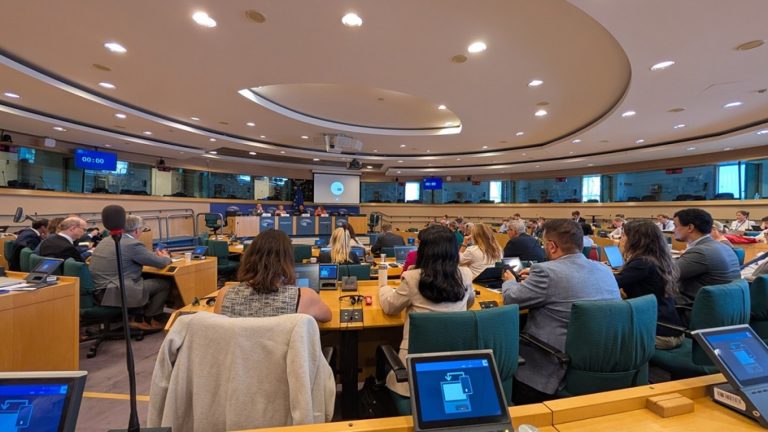
The report comes on the heels of the Committee’s recent criticism of the UK Government’s inconsistent and opaque approach to China. The findings were discussed later at a Chatham House symposium that convenef experts from the defence, AI, renewable energy, and critical minerals sectors, highlighting the pressing need for a coordinated response to these challenges.