Tag: Artificial Intelligence

  • Lydian Armenia’s Vision for a Digitally Integrated Amulsar Mine

    Lydian Armenia’s Vision for a Digitally Integrated Amulsar Mine

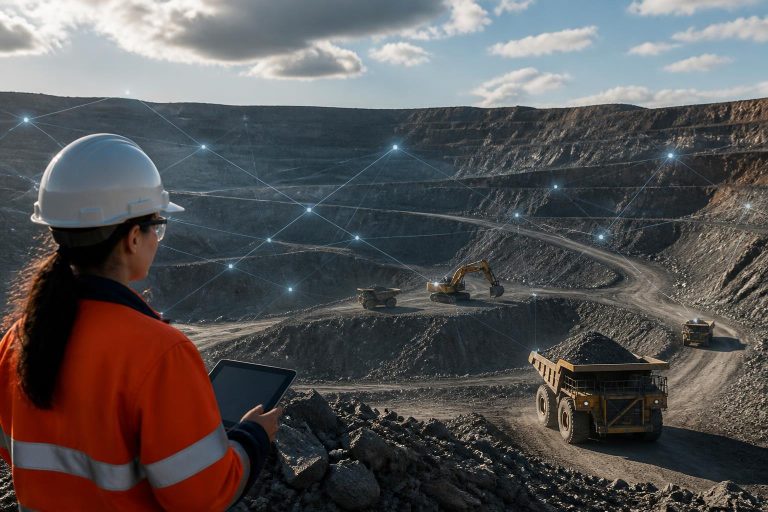
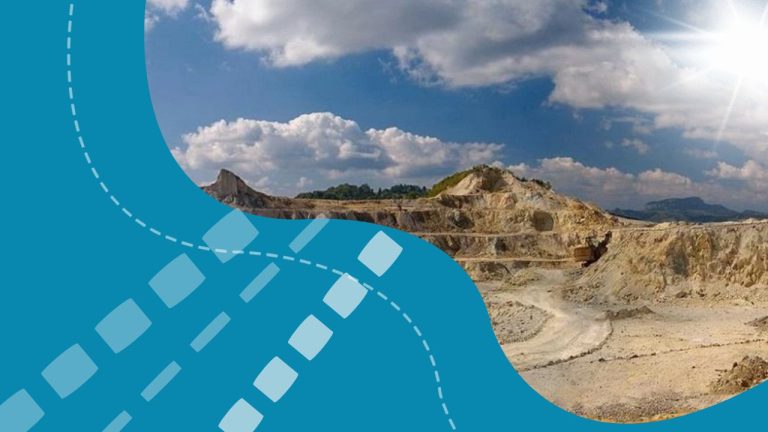
    In a recent interview, Connor Chard, General Manager of Lydian Armenia, outlined the ambitious digital strategy for the Amulsar gold mine, which is set to be Armenia’s first operational metal deposit since independence. Chard emphasised that the integration of digital technologies is crucial for modern mining operations, not merely the adoption of new tools. The company aims to establish Amulsar as a fully connected digital mining operation from the outset, leveraging the unique opportunity to design its digital infrastructure from scratch.

    Chard explained that the vision for Amulsar includes creating a comprehensive digital ecosystem that connects all aspects of the mining value chain—from equipment and field operations to management and decision-making. This holistic approach is intended to enhance operational efficiency and facilitate data-driven decisions. The strategy is built on four core principles: system integration, workflow automation, accountability, and the transformation of data into actionable insights. By adhering to these principles, Lydian Armenia aims to overcome common challenges faced by mining companies in their digital transformation journeys, such as inadequate infrastructure and siloed systems.

    Data management is at the heart of this digital initiative. Chard highlighted that data collection will commence at the source, whether from equipment, sensors, or personnel, and will be processed through a controlled platform to ensure reliability and accessibility. This foundational work is crucial for future advancements in analytics and artificial intelligence (AI), which Chard believes will play a significant role in the mining industry’s evolution. However, he cautioned that without a solid digital foundation, AI investments may not yield the expected benefits.

    As Amulsar approaches its operational phase, Chard envisions that the digitalisation efforts will lead to more efficient and predictable day-to-day operations. By ensuring timely access to reliable information and streamlining workflows, the mine will be better equipped to manage production and costs, respond to changing conditions, and improve overall decision-making quality. Ultimately, the goal is for Amulsar’s digital system to not only reflect past performance but also provide insights into current operations and future trends, unlocking the true potential of digital mining.


  • Kazakhstan’s Ministry of Ecology Implements AI and Digital Management System

    Kazakhstan’s Ministry of Ecology Implements AI and Digital Management System

    The Ministry of Ecology and Natural Resources of Kazakhstan is undergoing a comprehensive digital transformation aimed at streamlining the management of environmental processes. This initiative marks a significant shift from fragmented information systems to a unified digital management framework. Currently, 15 out of 29 process groups have been fully digitised, while an additional eight are partially digitised. According to the architecture of the digital government, 71% of sectoral data is now available in digital format.

    The next phase of this transformation will focus on reengineering the remaining processes, consolidating data, and integrating artificial intelligence tools. This strategic move is expected to facilitate a transition from reactive responses to environmental violations towards a proactive approach in identifying ecological risks. Furthermore, it aims to enhance the transparency of waste management, improve the efficiency of environmental monitoring, and increase the responsiveness to natural threats.

    This digital overhaul is not only a step towards modernising Kazakhstan’s ecological governance but also aligns with global trends in leveraging technology for sustainable development. By adopting advanced digital solutions, the Ministry seeks to bolster its capability in managing environmental challenges effectively and responsibly, ensuring a healthier ecosystem for future generations.

  • Uzbekistan Accelerates Geological Sector Transformation Through Digitalisation

    Uzbekistan Accelerates Geological Sector Transformation Through Digitalisation

    Uzbekistan is embarking on a significant transformation of its geological sector, aiming to attract up to $30 billion in investments by 2030 through the implementation of digital solutions and artificial intelligence. President Shavkat Mirziyoyev recently presented an ambitious plan to modernise the mining and geological industries, highlighting the need for a comprehensive national geological database to enhance global investor interest in new projects. Currently, Uzbekistan lacks a unified geological data platform, unlike Kazakhstan, which has had its Unified Subsoil Use Platform operational since 2025. The establishment of a digital geological map is deemed essential, as it will integrate historical data with current information, thereby improving the attractiveness of Uzbekistan’s geological resources to international investors.

    To facilitate this transformation, Uzbekistan plans to digitise over 36,000 reports and other information sources stored in various formats. This process is expected to take several years, drawing on the experiences of Russia and Kazakhstan, which have already undertaken similar initiatives. The new Centre for Technological Transformation will oversee the digitisation efforts, which will include compiling geological maps, drilling data, laboratory results, and production indicators into a single electronic database. Such a consolidation is anticipated to enhance the efficiency of discovering new mineral deposits.

    The government’s strategy includes leveraging artificial intelligence to expedite the analysis of geological data, improve resource estimation, and enhance drilling operations. Specific targets have been set, including a 10% reduction in the cost of geological exploration and a doubling of the speed at which new deposits are identified. Additionally, the number of investment proposals is expected to quadruple as a result of these digital advancements.

    Currently, only 40% of Uzbekistan’s mineral resources have been explored, but the government is keen to increase this figure significantly. By 2030, the country aims to boost its reserves of gold, silver, and copper substantially. Uzbekistan is home to over 30 types of critical minerals and is actively pursuing 76 investment projects worth approximately €2.4 billion. However, further exploration is necessary for some deposits, particularly for rare earth metals and uranium.

    The government has outlined plans for 44 projects between 2026 and 2030 that will incorporate artificial intelligence and machine learning in geological activities, focusing on six key mining enterprises. These projects aim not only to automate production processes but also to enhance geological exploration through digital transformation. The use of advanced technologies, including digital geological modelling, is already being implemented by major companies like the Navoi Mining & Metallurgy Combinat.

    Furthermore, Uzbekistan is working on a geospatial monitoring system to ensure transparency and accountability in the mining sector. This system will require all mining operators to submit their reports in a machine-readable format, facilitating quicker and more accurate verification of compliance with regulations. The geospatial monitoring initiative aims to prevent illegal activities and ensure adherence to environmental standards, using aerial and satellite technology to monitor mining operations effectively. As of June 2026, information on over 2,000 mineral deposits has already been integrated into this new system, marking a significant step towards a more modern and efficient geological sector in Uzbekistan.


  • Kazakhstan and Kyrgyzstan Sign Memorandum to Boost AI and Digital Development

    Kazakhstan and Kyrgyzstan Sign Memorandum to Boost AI and Digital Development

    The Ministry of Artificial Intelligence and Digital Development of Kazakhstan and the Ministry of Digital Development of Kyrgyzstan have signed a memorandum of cooperation aimed at advancing digital technologies and strengthening bilateral collaboration in IT and artificial intelligence.

    The agreement focuses on experience sharing, the introduction of innovative solutions, and the development of the digital economy in both countries. The partnership is expected to enhance digital services, foster integration in the field of tech startups, and improve infrastructure to create more efficient and secure solutions in IT and AI.

    Officials emphasized that strengthening this strategic partnership opens up new opportunities for the implementation of digital technologies across Central Asia, contributing to long-term regional growth and innovation.

  • Kazchrome Launches AI Integration Project at Aksu Ferroalloy Plant

    Kazchrome Launches AI Integration Project at Aksu Ferroalloy Plant

    The Aksu Ferroalloy Plant of JSC TNK Kazchrome, part of ERG, has begun implementing artificial intelligence (AI) tools into its IT-based furnace management system. The pilot initiative is being rolled out on ore-thermal furnace No. 64.

    The first phase of the project has been completed, including the collection, extraction, and analysis of three months of Big Data. Initial findings confirmed the strong potential of using this data to develop a recommendation-based AI model. In the future, the system is expected to help stabilise production processes, boost efficiency and energy savings, and reduce accidents and operating costs.

    “Today, introducing AI into the mining and metallurgical sector is no longer a trend but a matter of competitiveness and industrial safety,” said project manager Ruslan Eskendirov of ERG’s Research and Engineering Centre. “Our approach is pragmatic: sensors → data → models → measurable KPIs.”

    Earlier this year, ERG assembled a project team including specialists from its research and engineering centre, IT subsidiary BTS, Kazchrome, and the group’s metallurgy department. Working with an international technology partner that has already deployed similar AI tools at ferrochrome plants abroad, the team verified that the plant’s existing data is sufficient for building effective AI modules.

    Overall, ten AI modules are planned for deployment, each designed to optimise different aspects of furnace operation. One example is a predictive tool for electrode breakage, which could significantly reduce downtime and financial losses.

    The next phase will involve creating digital modules for controlling and monitoring furnace No. 64, integrating them into the existing automated process management system. The focus will be on predictive diagnostics, intelligent process optimisation, “soft sensors,” and operator guidance. If successful, the solution will be scaled across other furnaces.

  • Mining Turns to Waste Reprocessing, AI, and Bio-Tech to Meet Global Copper and Critical Metal Demand

    Mining Turns to Waste Reprocessing, AI, and Bio-Tech to Meet Global Copper and Critical Metal Demand

    The global pivot away from fossil fuels is creating unprecedented demand for copper and other critical minerals, but the mining industry faces a daunting challenge: falling ore grades, scarce new discoveries, and project timelines that can stretch over a decade. To bridge the gap, miners are reviving old waste, deploying advanced processing technologies, and turning to artificial intelligence.

    Between 1910 and 2010, an estimated 100 million tonnes of copper were discarded into tailings ponds, according to Germany’s Fraunhofer Institute. These legacy deposits are now being seen as a resource. Rio Tinto has already extracted scandium and tellurium from waste streams, while Hudbay Minerals is evaluating re-mining opportunities at its closed Flin Flon mine in Canada. Australia’s Cobalt Blue Holdings is studying pyrite tailings as a potential sulphur source, and India’s Hindustan Zinc has committed $438 million to process 10 million tonnes of tailings per year at its Rampura Agucha mine.

    At the same time, miners are working to reduce waste from new operations. Glencore’s ISAMill and Albion Process are enabling higher recovery rates with lower water use, while US bio-tech firm Allonnia has developed D-Solve, a microbial process that removes impurities like magnesium. At the Eagle nickel mine in the US, Allonnia is piloting a system that boosts nickel grades by 18% while cutting impurities by 40%.

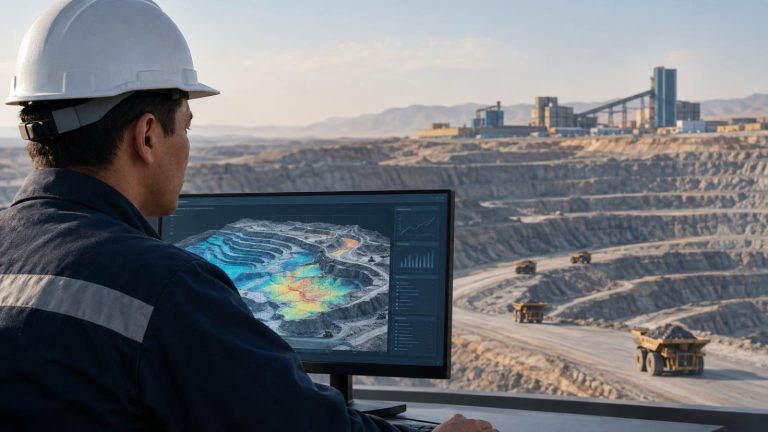
    Artificial intelligence is becoming a central driver of efficiency. BHP uses generative AI and digital twin technology at its Escondida copper mine in Chile to optimize blasting, blending, and mill performance. Freeport-McMoRan, working with McKinsey, trialed AI at its Baghdad mine in Arizona, achieving a 5–10% increase in copper production. Rolling this out across its US operations could add 90,000 tonnes of copper annually — equivalent to a new $1.5 billion processing plant, but without the decade-long construction timeline.

    The push to reprocess waste, integrate bio-engineering, and apply AI represents a quiet revolution in one of the world’s oldest industries. If successful, it could transform mining from one of the planet’s most polluting activities into a cleaner, more efficient sector — ensuring that the energy transition has the metals it needs.

  • Kazakhstan to Use AI for Analyzing Soviet-Era Geological Data

    Kazakhstan to Use AI for Analyzing Soviet-Era Geological Data

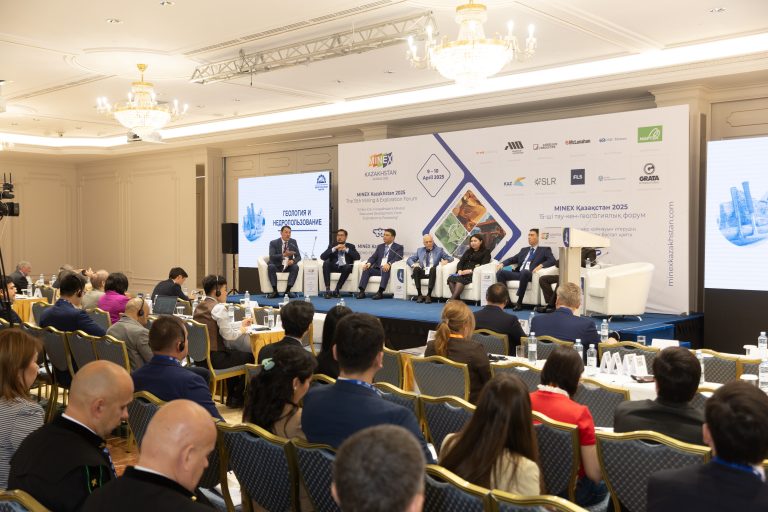
    Kazakhstan’s Ministry of Industry and Construction is integrating artificial intelligence to analyze geological data collected between the 1950s and 1980s, Vice Minister Zhannat Dubirova announced at MINEX Kazakhstan. The digitization of this historic data is set to be completed by the end of the year, with AI tools helping to identify and interpret geological characteristics, create predictive models, and process even low-quality data using Big Data technologies.

    According to Dubirova, over 56,000 geological reports have already been digitized. The AI system currently recognizes up to 90% of information and allows for manual corrections where needed. By 2026, the ministry plans to fully convert all geological data into machine-readable formats, accessible via the Unified Subsoil Use Platform.

    This platform, launched earlier this year, streamlines the entire licensing process for exploration and extraction—from application to auction and licensing—and has already processed over 500 applications. It features an interactive map showing current and available subsoil plots and allows investors to participate directly in auctions without intermediaries.

    Digital control mechanisms are also in place to monitor compliance with issued licenses and contracts for solid mineral resources, replacing a manual system that tracked 3,000 agreements.

  • Kazakhstan to Develop AI-Powered Geological Data Platform

    Kazakhstan to Develop AI-Powered Geological Data Platform

    The Ministry of Industry and Construction of Kazakhstan has convened a scientific and technical council meeting to discuss promising research in the mining sector. One of the key initiatives approved was the creation of a digital platform for geological data, which will utilize artificial intelligence to analyze information.

    This innovative system aims to reduce exploration costs, improve the accuracy of deposit forecasting, and accelerate exploration timelines. The implementation of this platform is driven by the industry’s ongoing need for digitized geological data to support efficient resource planning.

    In addition to digitalization efforts, the council reviewed research projects from major industry players, including Sokolov-Sarbai Mining and Processing Production Association (SSGPO) and Kachary Ruda, both subsidiaries of ERG. Key research areas include developing methods for pre-reducing ore from the Sarbai deposit, improving carbon-based reductants and exploring alternatives, enhancing the quality of pelletizing ore from the Sokolov deposit, and optimizing the processing of refractory ores from the Kachary deposit.

    The discussion also focused on the introduction of “green” technologies in the mining and metallurgical industry, particularly at the Korzhankul deposit. Experts believe that adopting environmentally friendly solutions will reduce the industry’s environmental footprint and enhance its long-term sustainability.

    Additionally, the council approved a new scientific program by Kazakhmys, which aims to implement high-efficiency reagents to improve the processing of copper ores at the Balkhash Processing Plant.

    The outcomes of the meeting highlight Kazakhstan’s commitment to modernizing its mining sector through digital technologies, scientific advancements, and environmentally sustainable practices.

  • Mining Faces an Uncertain Future Against AI, Experts Warn

    Mining Faces an Uncertain Future Against AI, Experts Warn

    The mining industry lags significantly behind in adopting artificial intelligence (AI), creating vulnerabilities as AI advancements rapidly transform industries globally. According to experts, while AI-driven efficiencies could enhance exploration, processing, and predictive maintenance, few mining companies are leveraging these technologies to their full potential. This gap presents an existential threat, as data-driven decision-making and automation in mining could reduce costs, enhance safety, and improve productivity. Without integrating AI, the mining sector risks falling behind in innovation and competitiveness, impacting future profitability and sustainability.

  • Kazakhstan Explores Geology-AI Integration with Key MoUs Signed at PDAC-2024 Conference in Canada

    Kazakhstan Explores Geology-AI Integration with Key MoUs Signed at PDAC-2024 Conference in Canada

    Kanat Sharlapaev, the Minister of Industry and Construction of Kazakhstan, spearheaded a delegation from Kazakhstan during the recent PDAC-2024 conference in Canada, where they inked Memorandums of Understanding (MoUs) focusing on geology, as reported by the Ministry of Industry and Construction.

    These MoUs included partnerships between the National Geological Survey of Kazakhstan (NGS) and Koan Analytics Inc., as well as between NGS and the Geological Survey of Finland (GTK), marking a significant advancement towards integrating artificial intelligence (AI) into geological practices.

    The primary objective of these agreements is to explore the establishment of a Center of Excellence in AI within the NGS framework, aimed at enhancing the precision and efficacy of mineral exploration processes through advanced technologies such as data transformation techniques, predictive models, and algorithms.

    Canadian firm Koan Analytics Inc., known for its expertise in providing industrial solutions, will be pivotal in this venture, leveraging its proficiency in data transformation and machine learning to support NGS in leveraging AI for geology.

    Furthermore, the MoU with GTK underscores the global interest in Kazakhstan’s geological resources, with GTK’s extensive experience enriching collaborative efforts in advancing the field of geology in Kazakhstan.

    Yerlan Galiyev, Chairman of the Board of NGS, emphasized the significance of these agreements in strengthening international cooperation in the geology sector and enhancing investment opportunities.

    The PDAC Convention, where these agreements were signed, serves as a crucial platform for the mining industry, fostering strategic partnerships and driving innovation amidst a diverse array of stakeholders from around the globe.