Qarmet Recycling, formerly known as Recycling Company, has unveiled plans for a new facility aimed at recycling metals, including aluminium, from old vehicles. Located in the village of Doskey in the Bukhar-Jyrau district of the Karaganda region, the plant is part of Kazakhstan’s industrial and innovative development programme. The facility, which was established on June 15, 2016, has recently undergone ownership changes and is now under the management of Qarmet, which acquired the property in 2024.
The primary operations of the plant involve the production of cast iron, steel, aluminium, and non-ferrous metal alloys from scrap materials derived from decommissioned vehicles, special machinery, and agricultural equipment. The recycling process includes melting metals and converting waste oils into fuel and gas, as well as processing hydrocarbon-containing waste, such as used tyres, into usable energy sources. This shift in focus comes as the company adapts to new emission standards that were revised following changes in ownership and operational scope.
With an annual processing capacity of up to 80,000 tonnes of end-of-life vehicles (ELVs), the plant is expected to yield approximately 63,750 tonnes of ferrous scrap and 16,250 tonnes of other materials annually. The facility sources its raw materials through a tendering process involving both individuals and legal entities. However, the actual volume of recycling and the specific client list are contingent upon the outcomes of these competitive procedures.
In addition to vehicle recycling, the plant has the capability to process up to 14,000 tonnes of oil-containing waste per year, including 7,000 tonnes of used oils and lubricants from its pyrolysis facilities. The facility also handles solid hydrocarbon waste, such as tyres, with a processing capacity of up to 9,000 tonnes annually. The output from these operations includes up to 6,000 tonnes of liquid pyrolysis fuel and between 3,500 to 4,500 tonnes of fuel oil each year, along with 600,000 cubic metres of fuel gas.
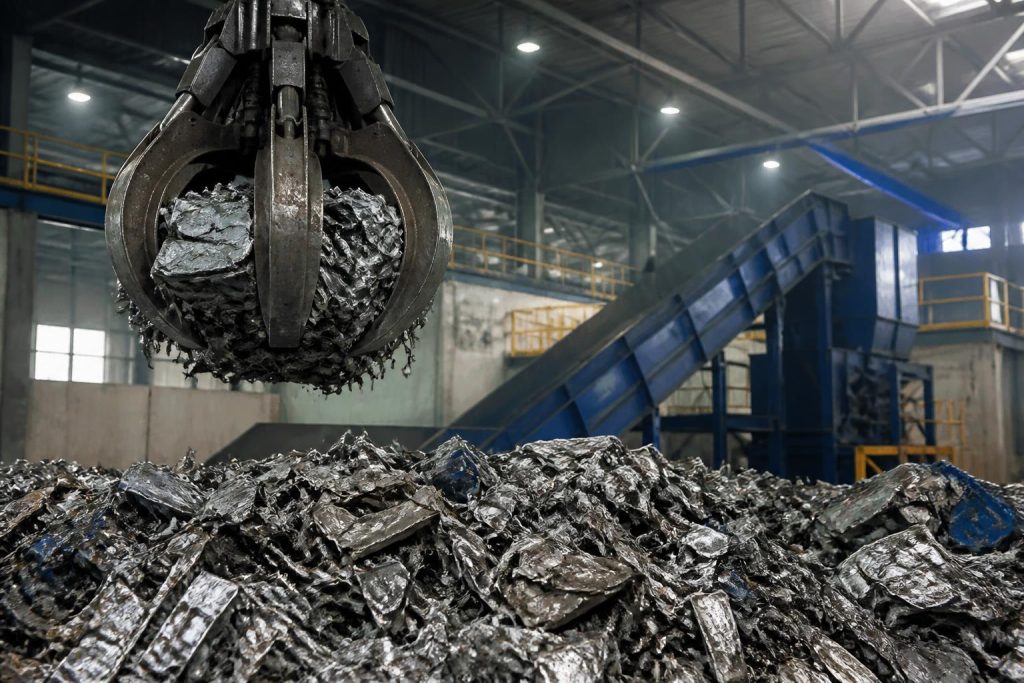
Before recycling, vehicles undergo a preparation process where oils and technical fluids are removed. The vehicles are then compressed into briquettes, which are sorted and processed into different categories of metals and other materials. The plant features advanced shredding and melting equipment, including two induction furnaces capable of producing 2,000 tonnes of metal annually. The melted metal is then cast into moulds for further use.
Qarmet Recycling is part of the Qarmet group, owned by entrepreneur Andrei Lavrentev, who ranks 11th on Forbes’ list of Kazakhstan’s wealthiest individuals, with a net worth of $877 million.