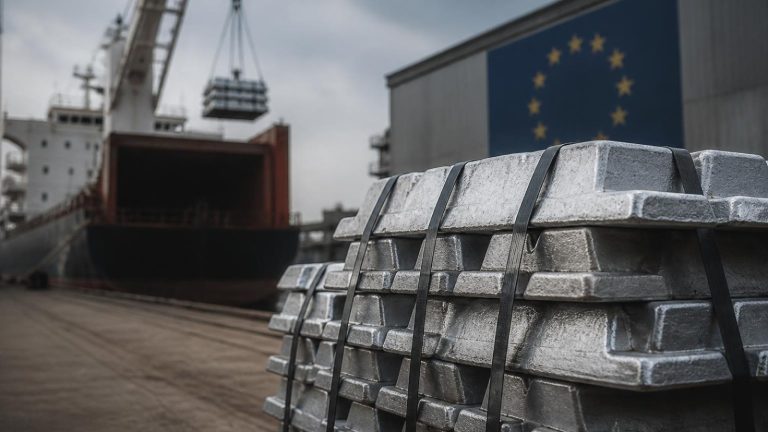
Tag: aluminium

  • Kazakhstan Aluminium Producer Faces Billions in Tax Adjustments

    Kazakhstan Aluminium Producer Faces Billions in Tax Adjustments

    Kazakhstan’s leading aluminium producer, the Kazakhstan Electrolysis Plant (KEZ), part of the Eurasian Resources Group (ERG), has been hit with substantial tax adjustments amounting to billions of tenge. This follows a thematic inspection by the Kazakh tax authorities concerning transfer pricing practices for transactions conducted between 2018 and 2021. The tax authorities concluded their investigation in February 2024, resulting in a demand for additional tax payments totalling 2.448 billion tenge, excluding penalties and interest. The company has contested these findings through the judicial system, but initial court decisions did not favour KEZ.

    As of February 2026, KEZ paid the additional taxes, alongside penalties and fines totalling approximately 5.5 billion tenge, which included 2.4 billion tenge in additional taxes, 1.4 billion tenge in penalties, and 1.7 billion tenge in fines. Despite these payments, KEZ maintains that its transfer pricing policies comply with Kazakh legislation and OECD guidelines, prompting further appeals in higher courts. A subsequent ruling from the cassation court supported KEZ’s position, declaring the tax authority’s notification illegal and ordering the return of the paid amounts.

    Transfer pricing in Kazakhstan typically involves setting prices for goods and services in international transactions that differ from market rates, often leading to profit redistribution to more favourable tax jurisdictions. This practice poses significant risks, particularly in sectors like aluminium production, where costs can vary greatly due to transportation and additional expenses.

    The KEZ produces approximately 265,000 tonnes of primary aluminium annually, sourced from bauxite mined in Kazakhstan’s Kostanay region. In 2024, ERG exported 180,000 tonnes of aluminium to the European Union and Turkey. For the fiscal year 2025, KEZ reported revenues nearing 360 billion tenge, with a profit of 79.4 billion tenge.

    In June 2025, ERG announced plans to issue three-year securities from KEZ worth up to $100 million, backed by the Development Bank of Kazakhstan. The company has also engaged in significant lending activities, providing short-term loans totalling over $313,000 in 2025. Additionally, KEZ has been active in debt operations, securing various credit lines and refinancing existing debts, indicating a robust financial strategy amidst regulatory challenges.

    The financial report underscores KEZ’s commitment to maintaining liquidity and generating sufficient cash flow to support its operations and obligations, even as it navigates the complexities of tax compliance and international trade dynamics.


  • Qarmet Recycling Launches Aluminium and Metal Recovery Plant in Kazakhstan

    Qarmet Recycling Launches Aluminium and Metal Recovery Plant in Kazakhstan

    Qarmet Recycling, formerly known as Recycling Company, has unveiled plans for a new facility aimed at recycling metals, including aluminium, from old vehicles. Located in the village of Doskey in the Bukhar-Jyrau district of the Karaganda region, the plant is part of Kazakhstan’s industrial and innovative development programme. The facility, which was established on June 15, 2016, has recently undergone ownership changes and is now under the management of Qarmet, which acquired the property in 2024.

    The primary operations of the plant involve the production of cast iron, steel, aluminium, and non-ferrous metal alloys from scrap materials derived from decommissioned vehicles, special machinery, and agricultural equipment. The recycling process includes melting metals and converting waste oils into fuel and gas, as well as processing hydrocarbon-containing waste, such as used tyres, into usable energy sources. This shift in focus comes as the company adapts to new emission standards that were revised following changes in ownership and operational scope.

    With an annual processing capacity of up to 80,000 tonnes of end-of-life vehicles (ELVs), the plant is expected to yield approximately 63,750 tonnes of ferrous scrap and 16,250 tonnes of other materials annually. The facility sources its raw materials through a tendering process involving both individuals and legal entities. However, the actual volume of recycling and the specific client list are contingent upon the outcomes of these competitive procedures.

    In addition to vehicle recycling, the plant has the capability to process up to 14,000 tonnes of oil-containing waste per year, including 7,000 tonnes of used oils and lubricants from its pyrolysis facilities. The facility also handles solid hydrocarbon waste, such as tyres, with a processing capacity of up to 9,000 tonnes annually. The output from these operations includes up to 6,000 tonnes of liquid pyrolysis fuel and between 3,500 to 4,500 tonnes of fuel oil each year, along with 600,000 cubic metres of fuel gas.

    Before recycling, vehicles undergo a preparation process where oils and technical fluids are removed. The vehicles are then compressed into briquettes, which are sorted and processed into different categories of metals and other materials. The plant features advanced shredding and melting equipment, including two induction furnaces capable of producing 2,000 tonnes of metal annually. The melted metal is then cast into moulds for further use.

    Qarmet Recycling is part of the Qarmet group, owned by entrepreneur Andrei Lavrentev, who ranks 11th on Forbes’ list of Kazakhstan’s wealthiest individuals, with a net worth of $877 million.


  • Talco Extends non-binding Agreement to Acquire 60% Stake in Eastern Aluminum Extrusion Factory

    Talco Extends non-binding Agreement to Acquire 60% Stake in Eastern Aluminum Extrusion Factory

    Saudi Arabia’s Al Taiseer Group Talco Industrial Company has announced a six-month extension of its non-binding memorandum of understanding (MoU) to acquire a 60% stake in the Eastern Aluminum Extrusion Factory, located in Dammam. This extension, which will last from August 24, 2026, to February 23, 2027, provides additional time for the completion of due diligence procedures, as stated in Talco’s filing to the Saudi Exchange.

    Founded in 1976, Talco has established itself as a pioneer in the manufacturing of aluminum-related products within Saudi Arabia and the broader Gulf region. The company currently boasts a production capacity of up to 60,000 metric tonnes per annum, catering to the global market. The initial MoU was signed in November 2025, and the agreement has already seen a previous extension in March 2026.

    Talco’s core business segments include aluminium extrusion and thermoset powder coating, which encompasses advanced polyester and epoxy metal coatings. Additionally, the company manufactures various accessories, such as rubber gaskets and weatherstrips, designed for sealing systems. The ongoing procedures related to the proposed transaction indicate that Talco is committed to expanding its footprint in the aluminium sector, which is crucial for the development of infrastructure and manufacturing capabilities in the region.

    As the deadline for the MoU approaches, industry observers will be keen to see how this acquisition could enhance Talco’s operational capabilities and market presence. The aluminium industry is witnessing significant growth, driven by increasing demand in construction, automotive, and packaging sectors, making this acquisition a strategic move for Talco in maintaining its competitive edge.


  • European Parliament Calls for EU Ban on Alumina Exports to Russia

    European Parliament Calls for EU Ban on Alumina Exports to Russia

    The European Parliament has adopted a non-binding resolution urging the European Commission to impose sanctions on alumina exports to Russia, increasing political pressure on Brussels to tighten restrictions on trade linked to Moscow’s metals industry.

    The motion follows an investigation by The Irish Times and the Organized Crime and Corruption Reporting Project (OCCRP), which found that Ireland’s Aughinish Alumina refinery has continued exporting substantial volumes of alumina to Russian smelters owned by Rusal. The resulting aluminium has reportedly been sold to Moscow-based trading company ASK, whose customer base includes more than 40 companies sanctioned by the European Union for their links to Russia’s defense sector.

    While investigators were unable to trace individual shipments of Irish alumina to specific military products because the material is blended during smelting, customs and trade data indicate that since 2023 more than half of Aughinish Alumina’s exports have been delivered to Russian smelters. Those facilities have subsequently sold more than $650 million worth of aluminium to ASK, which supplies companies associated with Russia’s military-industrial complex.

    The European Parliament’s resolution calls for stronger measures to limit Russia’s ability to finance its military operations in Ukraine. In addition to advocating a complete ban on alumina exports, lawmakers also supported proposals to blacklist Russian steel suppliers. Although the Parliament cannot impose sanctions itself, its position is expected to add pressure on the European Commission and EU member states, which must unanimously approve any new sanctions package.

    The Commission has so far refrained from restricting alumina exports because of Aughinish Alumina’s importance to European industrial supply chains. However, Irish Member of the European Parliament Barry Andrews argued that Irish alumina is highly likely to be contributing indirectly to Russia’s military production and called for immediate action if ongoing investigations confirm these links.

    The Irish government is completing its own investigation into Aughinish Alumina’s exports following the media reports. Prime Minister Micheál Martin said the findings will soon be submitted to the European Commission, while Enterprise Minister Peter Burke confirmed his department expects to finalize its report within days.

    Burke also rejected suggestions that Ireland had sought exemptions for Aughinish Alumina from EU sanctions, stating that the government has never lobbied on the company’s behalf and has not opposed any sanctions affecting its operations.

    The European Commission is expected to review the findings as it prepares its next package of sanctions against Russia.

  • China’s East Hope Group Advances $12.6 Billion Aluminium Megaproject in Kazakhstan

    China’s East Hope Group Advances $12.6 Billion Aluminium Megaproject in Kazakhstan

    China’s East Hope Group, one of the world’s largest producers of electrolytic aluminium and alumina, is progressing plans for a colossal $12.6 billion investment in Kazakhstan’s aluminium sector, according to the country’s Ministry of Industry and Construction.

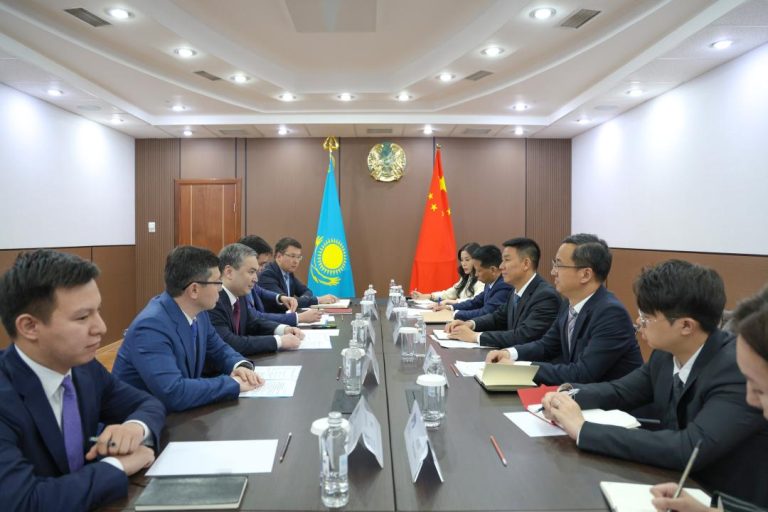
    Kazakhstan’s Industry and Construction Minister Yersayin Nagaspayev held discussions with Chen Lei, East Hope Group’s Director for Strategic Investments. The two sides discussed establishing a full-cycle aluminium cluster within Kazakhstan, spanning the entire process from bauxite extraction through to primary aluminium output.

    Nagaspayev emphasised that full-cycle production projects are in keeping with Kazakhstan’s state industrial policy, which is geared towards deeper processing and the manufacture of high-value-added goods.

    The talks also covered the project’s current status, the formation of a raw materials base, and the development of production capacity and industrial cooperation. The company is currently undertaking geological exploration across multiple blocks in the Aktobe and Kostanay regions. The broader vision encompasses the development of 11 bauxite and coal deposits across the Kostanay and Aktobe regions, with the project expected to generate approximately 10,000 jobs once fully operational. KursivThe Times Of Central Asia

    The initiative has been gathering momentum since February 2025, when East Hope registered a subsidiary in Kazakhstan to serve as the project’s principal operational centre. An investment framework agreement was subsequently signed between East Hope and the Kazakh government. The Times Of Central AsiaMysteel

    As part of the scheme, East Hope Group intends to construct a 1-gigawatt coal-fired power station in the Kostanay region, whilst also exploring potential renewable energy ventures. The project is designed around circular economy principles, with the aim of creating a complete production cycle for green aluminium products. Qazaqgreen

    Both parties reaffirmed their commitment to advancing the project and strengthening investment cooperation.

  • Greenland Grants 30-Year Mining Permit for Climate-Friendly Aluminium Alternative

    Greenland Grants 30-Year Mining Permit for Climate-Friendly Aluminium Alternative

    Greenland has issued a 30-year mining license to Greenland Anorthosite Mining (GAM), a Danish-French mining group, to extract anorthosite—an unusual white rock that could play a key role in climate-friendly aluminium production. The permit covers a project site in western Greenland and marks a significant step toward the island’s ambitions to become a major player in the global green minerals market.

    GAM, backed by the French investment firm Jean Boulle Group and state investment funds from both Denmark and Greenland, aims to begin mining operations within five years. The company plans to export crushed anorthosite to the fiberglass industry, where it could serve as a more sustainable replacement for kaolin. Longer-term, it may replace bauxite in aluminium production, reducing the carbon footprint of a metal critical to the aerospace, automotive, and defense industries.

    Anorthosite is geologically similar to material brought back from the Moon by NASA’s Apollo missions, and its unique composition—aluminium, micro silica, and calcium—offers promising industrial applications.

    Despite the global spotlight on Greenland’s natural resources, Mineral Resources Minister Naaja Nathanielsen stated that heightened U.S. interest in the Arctic island—especially following former President Donald Trump’s 2019 proposal to purchase it—has not yet resulted in direct American investment.

    “Right now, all the fuss has not resulted in increased appetite for investment directly in Greenland,” Nathanielsen told Reuters. While U.S. business delegations have visited the island, formal talks with the U.S. government remain on hold.

    In contrast, Nathanielsen noted smoother progress with European Union and Danish partners, citing years of intensified cooperation.

    Although Greenland is rich in minerals, oil, and gas, its mining sector remains underdeveloped due to investor caution, regulatory hurdles, and environmental concerns. At present, only two small mines are operational on the island.

  • EU Green Ambitions Under Siege Amid Red Sea Crisis, Russian Aluminium Ban Fears

    EU Green Ambitions Under Siege Amid Red Sea Crisis, Russian Aluminium Ban Fears

    The European Union has long positioned itself as a global champion of green energy and the world’s battle against climate change. No other region in the world has stricter environmental legislation or has done as much to promote renewable energy sources. Now, the EU’s commitment to the Green Deal is being rigorously tested in the wake of the Ukraine conflict and the anti-Russian sanctions it triggered, as well as the recent escalation in Israel and the Red Sea region.

    These developments are already reshaping the continent’s approach to climate change, particularly in the context of its traditional reliance on Russian aluminium, widely considered one of the most environmentally friendly options in the European market, especially compared to its less green alternatives from Asian markets.

    Despite geopolitical upheavals, most EU countries have actually intensified their renewable plans since 2020. The energy and COVID-19 crises, along with the war in Ukraine, have spurred the green transition in Europe rather than derailing it. EU countries’ climate policies demonstrate a significant shift towards renewable energy: it is now expected that 63% of EU electricity will be produced from renewables by 2030, up from 55% originally envisaged under the previous plan in 2019. This shift would mark a substantial decrease in EU fossil fuel-based power generation, projected to drop to 595 terawatt hours in 2030 from 1,069 TWh in 2021.

    The ambitious green transition is not a one-way street for Europe, however, as the movement is facing a pan-European challenge. Countries like Italy, the United Kingdom and the Netherlands have shown signs of pushback against various EU initiatives aimed at greening the economy. This resistance, termed “greenlash,” is driven by factors ranging from economic pressures to political dynamics. Italy, for example, has sought to water down certain EU directives. In the Netherlands, the rise of the BBB party, opposing the government’s environmental policies, signifies growing discontent with the green agenda. At the same time, Britain’s recent fossil fuel projects have also raised questions about its commitment to climate goals.

    With Europe on the brink of recession, it is increasingly hard to “sell” costly green initiatives to the dissatisfied voters who are already dealing with the daily pressures of inflation and rising geopolitical risks. The sanctions already imposed on Russia, historically one of Europe’s key trade partners, for its role in the Ukraine crisis have severely diminished bilateral commerce and to a large degree backfired against European producers and consumers.

    While the Ukraine crisis is quickly approaching its 2-year mark, the new geopolitical hotspot in the Red Sea is adding additional pressure on the strained European economy. The halt of navigation in what is one of the world’s most important transportation routes, representing roughly 12 percent of global container traffic, means increased time (by adding about 10 days to trip duration if an alternate route around Africa is taken) and costs for consumers. For Europe this translates into higher import costs for such key industrial materials as aluminium, as well as for energy.  Longer travel times also mean more environmental impact for EU-made products, undermining the continent’s green economy goals.

    Russian aluminium, considered a greener option due to its lower carbon footprint, still plays a significant role in Europe’s industrial and environmental strategies. The potential sanctioning of Russian primary aluminium – long favored by some EU politicians and pundits despite strong economic risks – poses a significant dilemma amidst these crises. Due to high energy and labour costs, the EU’s own aluminium production is in steady decline and now accounts for only about 11 percent of its total demand.

    Multiple sanctions introduced against the Russian economy have done nothing to force Russia to change its course on Ukraine. When considering whether to expand them to also include a ban on aluminium EU policymakers must be fully aware of the environmental impact of losing a key source of green aluminium that cannot be easily replaced.

    This underscores the importance of strategic foresight in policymaking to ensure that Europe’s green ambitions remain robust and responsive to an ever-changing global landscape. As Europe navigates through these turbulent times, the balancing act between maintaining its green agenda and responding to geopolitical developments becomes more challenging. The decisions made in the coming months will not only shape Europe’s environmental policies but also reflect its resilience and adaptability in the face of global challenges.

  • Dismay after EU rejects ‘Green Pool’ for industrial energy users in Greece

    Dismay after EU rejects ‘Green Pool’ for industrial energy users in Greece

    The Green Pool scheme was initially floated by the Greek government in July 2022 as part of moves to lower the cost of electricity, which went through the roof last year after Russia invaded Ukraine.

    It was designed to help large industrial consumers of electricity like aluminium, steel, glass, or cement, to jointly sign up to corporate power purchasing agreements (PPAs) for renewable electricity, under the supervision of a public body acting as a single buyer and seller for participating companies.

    The scheme was aimed at mitigating the costs of re-shaping industrial production to match the variable nature of renewable electricity generation coming from wind and solar power installations – so-called firming or shaping costs.

    These costs were identified by the European Commission as a key obstacle preventing industrial consumers of electricity from signing up to Renewable Energy Power Purchase Agreements (PPAs), which Brussels is now promoting as part of its proposed electricity market reform.

    However, the scheme was turned down on Friday (6 October) by the European Commission’s competition directorate, according to Mytilineos, the Greek aluminium and energy company.

    The main reason put forward by the Commission, according to the Greek company, is that renewable PPAs could not be regarded as “decarbonisation” activities from electro-intensive industries because they are not part of so-called scope 1 emissions – those that producers are directly responsible for.

    The underlying rationale communicated to the Greek authorities, they added, was that the Commission does not want energy-intensive industries to benefit from subsidised electricity prices.

    The World Bank has identified aluminium as a “high-impact” and “cross-cutting” metal for green energy technologies ranging from electric vehicles to solar photovoltaics and geothermal.

    But in Europe, the industry has declined steadily over the years with production dropping from over 4.5 million metric tons 15 years ago to 2.7 million currently.

    Contacted by Euractiv, the European Commission did not return emails and phone calls asking for comment. The Greek permanent representation in Brussels also declined comment.

    Metal industry dismayed

    On the industry side, trade association Eurometaux reacted with dismay.

    “We’re surprised and disappointed that the European Commission rejected Greece’s ‘Green Pool’ proposal,” said Guy Thiran, the director general of Eurometaux, which represents non-ferrous metals producers and recyclers.

    For Thiran, the Greek scheme “ticked all the boxes” in terms of decarbonisation, competitiveness, and renewables deployment. “It was a crucial model that would also help the metal and power sector’s wider decarbonisation in other EU member states,” he said in emailed comments to Euractiv.

    According to him, the scheme would have been instrumental in keeping aluminium manufacturing within the EU’s border at a time when bauxite, alumina and aluminium were added to the EU’s list of critical raw materials.

    “Electricity-intensive metals producers are still on their knees from the energy crisis” caused by the war in Ukraine, Thiran said. “If Europe is serious about keeping its strategic metals production ‘Made in Europe’, we urgently need real solutions like the Green Pool,” he added.

    Paul Voss, director general of European Aluminium, a trade association, was equally upset.

    “We are deeply troubled and genuinely shocked by the rejection of this innovative initiative,” Voss told Euractiv in emailed comments.

    “Not only does this decision dangerously undermine the case for investment in solar and wind in Greece, it sends a clear message that energy-intensive industry, even when it’s powered by renewables, simply isn’t wanted in Europe anymore”.

    According to Mytilineos, the Green Pool would have led directly to 4 GW of new wind and solar investments in Greece while securing affordable electricity prices for energy-intensive industries.

    Moreover, the scheme could have easily been replicated in other countries, which is why it was supported by other EU trade associations like BusinessEurope and WindEurope.

    For the aluminium industry, the frustration is made even greater by all the recent EU talk about “strategic autonomy” in the raw materials and energy sector.

    In December last year, EU Commission President Ursula von der Leyen promised a “new assertive industrial policy” with streamlined EU state aid rules in response to the US massive green subsidy programme, the Inflation Reduction Act.

    Last month, the Commission chief announced that the European Green Deal was entering a new phase focused on industrial policy, starting with the launch of a series of Clean Transition Dialogues with individual sectors of industry.

    “The future of our cleantech industry has to be made in Europe,” von der Leyen declared in her annual state of the Union speech to the European Parliament.

    However, the Commission’s decision on the Green Pool scheme appears to contradict those declarations, according to European Aluminium.

    “How can we possibly reconcile this approach with all the recent discussion about strategic autonomy and sustainable industry?” Voss asked. “Outsourcing heavy industry to other, more carbon-intensive regions might look like an easy way to save energy and reduce emissions in Europe, but its ultimate impact will be to fatally compromise our economy, our security and our environment.”

    “This cannot be the way forward,” he added.

  • Essential integration of mining with circular economy highlighted at FT Mining Summit

    Essential integration of mining with circular economy highlighted at FT Mining Summit

    As the circular economy grew in importance, many miners were also starting to look more closely at recycling operations, it was stated during a panel discussion covered by Mining Weekly.

    Financial Times commodities correspondent Harry Dempsey, who moderated, referred to the apparent exponential rise of recycling and the circular economy as demand for critical minerals rose for the global energy transition.

    Panel participants were Glencore global recycling head Kunal Sinha, Norsk Hydro executive VP corporate development Trond Olaf Christophersen, International Copper Association material stewardship global director Louise Assem, and Circular CEO Douglas Johnson-Poensgen.

    Cross-portfolio upcoming demand for critical minerals is roughly calculated to be six times greater than current supply, pointing to the need for as much responsible mining production as possible between now and 2050.

    “Even if you ramp up all the responsible production you can between now and 2050, we think there’s still a gap. It’s hard to quantify, but there’s still a gap. So, how you meet that gap is through what we would like to think of as responsible consumption, which is essentially your circular economy,” said Sinha.

    “The circular economy is not just recycling. It’s product life extension, repair, reuse, all of that, and the very last step is recycling, so it’s not a competition with primary mining because you need as much mining as you can responsibly do, but you also need to consume more responsibly and have a circular ecosystem.

    “Every mining company is different. Your portfolio is different. I can only speak for Glencore. From my point of view, our vantage point comes down to three things from our portfolio. One is assets. We have two types of assets. We have assets that have been recycling for a long time. These are very complex metallurgical assets, so what you can do is operate at a massive scale where you blend both the primary feeds and the recycled feeds, very difficult to process materials,” said Sinha, who added that Glencore also had other built assets that could be repurposed, exemplified by lead refinery outside London, parts of which are being repurposed for electronics recycling and potentially also battery recycling.

    “So, instead of building greenfield, you can pivot and use these existing assets to do it much faster,” Sinha noted.

    Then there was risk management: “From our experience to do recycling properly, the risk is very high. To manage that risk, you need the same skills as commodity trading because you’re not sitting on a deposit of copper and know exactly what it is in there and you’re mining it and you have a plan. You have to buy this feed across hundreds of suppliers. You don’t really know what you’re getting, so you have all kinds of risks in terms of financial risk, counter-party risk, a lot of these risks, which is the same as in commodity trading, so our trading DNA helps with the recycling.

    “In a world where you have a lot of primary production into the energy transition, as we have, and a history of recycling, you can easily combine those two to close the loop,” added Sinha.

    ALUMINIUM

    When it comes to aluminium, Christophersen reported that the circular economy was already in place, with roughly one-third of the total aluminum metal supply being recycled material.

    In more mature markets such as in Europe and the US, 40% to 45% of the total metal production is based on aluminium scrap.

    “A significant share of the total metal supply is secondary aluminium and part of the circular economy,” Christophersen emphasised.

    Going forward, Norsk Hydro is of the view that growth in the circular part of the market will be much higher than the growth in the primary side.

    The main drivers of this are expected to be customer demand, with car makers giving much more attention to sustainable supplies, as well as regulations of countries. These include end-of-life vehicle regulations in Europe and waste shipment directives in the US.

    More than two-million tons of aluminium scrap in the US and a million tons-plus of aluminium scrap in Europe currently being exported could be recycled internally.

    In addition, considerable investment going into scrap-sorting technology development could also result in much more secondary aluminium being recycled within the US and Europe.

    Norsk Hydro, an integrated aluminium and renewable energy company, mines and refines bauxite and smelts and recycles aluminium.

    More than half of its aluminium metal production is based on secondary material, with mining and scrap dealing being completely different businesses, with recycling being very much more commercial.

    “You have to deal with a lot of small suppliers on the scrap side. ‘Scrap is not scrap’. It depends a lot on the quality that you are buying, so it’s a completely different business and you need a completely different business model in order to operate in the recycling business compared to the mining business,” said Christophersen.

    COPPER

    Assem reported that the metals value chains were already circular, “and mining plays a role in that because without the stocks from mining, there would be no circular value chain, there would be no stock to recycle”.

    “So, they are already playing a role, although mining has been left out of the perception of what a circular economy looks like. There is huge demand increase expected for many of the metals, including copper, and that demand is already being filled by both primary and secondary material, and it will continue to be filed by both, as it should be,” Assem said.

    “There are many other drivers, like the throw-away society and the negative perception of mining that does exist, driving what is an attractive concept in the circular economy. It’s nice to think that if we can be fully circular, we won’t have to dig things out of the ground and cut down trees, for example. But the reality is that we do need both.

    “There are also regulatory drivers. Europe has a lot of legislation around the circular economy itself and also around sustainable products, along different aspects of the circular value chain. In Asia, there are also lots of circular pieces of legislation in Japan, China and South Korea and they are going at it from different perspectives.

    “In the US it is slightly different. There’s more of a carrot than a stick, like you would get in Europe. You also have the original-equipment manufacturers (OEMs) that are driving things from the bottom, particularly when we look at targets around recycled content for end-user products. So, that’s also driving things up the supply chain,” Assem added.

    BATTERY MATERIALS

    In Europe, OEMs using batteries are expected to have a per battery carbon footprint, said Johnson-Poensgen, whose company is pursuing traceability in the battery value chain, which means that probably from 2026, consumers will be able to compare embodied carbon in a battery.

    He reported that the battery in an electric vehicle accounts for roughly half the supply chain’s contribution to the carbon footprint in manufacturing each vehicle and recycled battery materials have half the energy requirement to turn scrap into battery-grade materials.

    Indicated during the panel discussion was that going forward, markets would likely be more intent on procuring recycled secondary material than primary material in the interests of global sustainability and mitigation against climate change