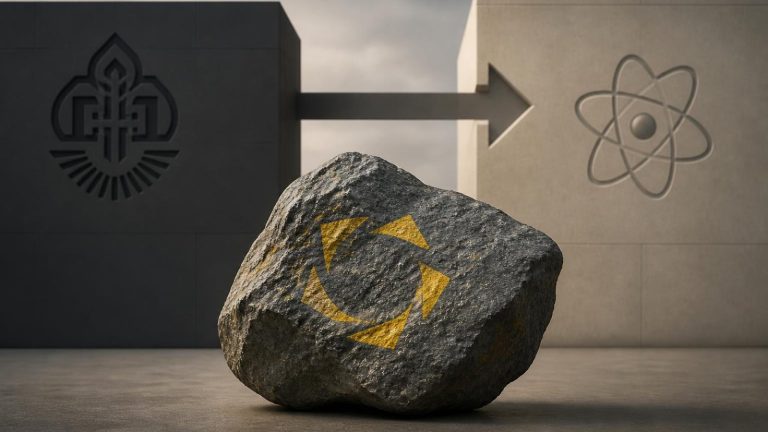
Kazakhstan’s atomic energy chief has outlined a plan that goes well beyond digging uranium out of the ground and shipping it abroad. Speaking at the World Atomic Days conference in Antalya in mid-November, Almasadam Satkaliyev described a country that intends to build three nuclear power plants, grow a homegrown nuclear industry and stockpile enough uranium to last a century.
A commodity with a new job
For decades, Kazakhstan’s uranium has mostly been an export earner. Satkaliyev, who chairs the Atomic Energy Agency, argued that the metal should now also serve the domestic economy. He tied the nuclear push to rising electricity demand, presenting new reactors as the backbone of a full industrial and scientific cluster. He also called for strategic uranium reserves sized to last at least 100 years and said nuclear technology should spread into medicine and farming, alongside a drive to train more specialists.
How big is Kazakhstan’s share?
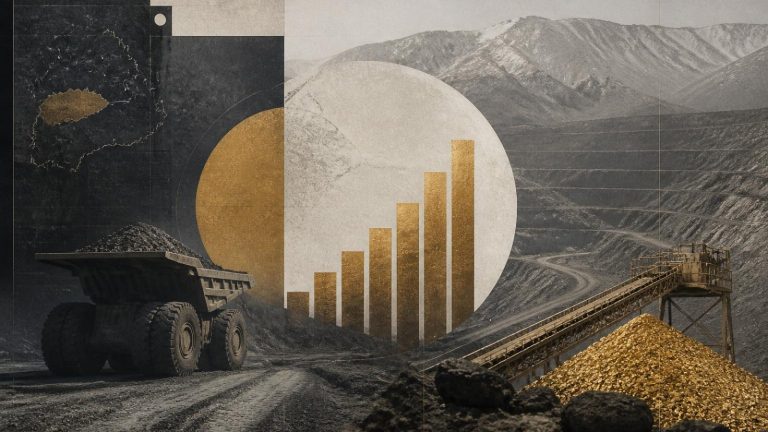
The headline claims are easy to repeat, but the numbers need care. Kazakhstan’s output is the strongest part of the case. According to the World Nuclear Association’s production data, the country mined about 39% of the world’s uranium in 2024, ahead of Canada and Namibia.
Reserves are murkier. Some analysts place Kazakhstan second behind Australia, while others put its share of identified recoverable resources at around 16%. Rankings shift depending on how resources are counted, so “second in the world” is a fair description but not a precise one. Output may also dip. One report says national production is set to fall about 10% in 2026, from 32,777 tonnes to 29,697 tonnes, which would sit awkwardly with a story of ever-rising supply.
From plan to contract
The three-plant target has begun to take concrete form. In early September, Rosatom and Kazakhstan Nuclear Power Plants signed a deal to build two units at Balkhash with a combined capacity of 2.4 gigawatts, according to Hronika. The project is expected to start operating within roughly a decade.
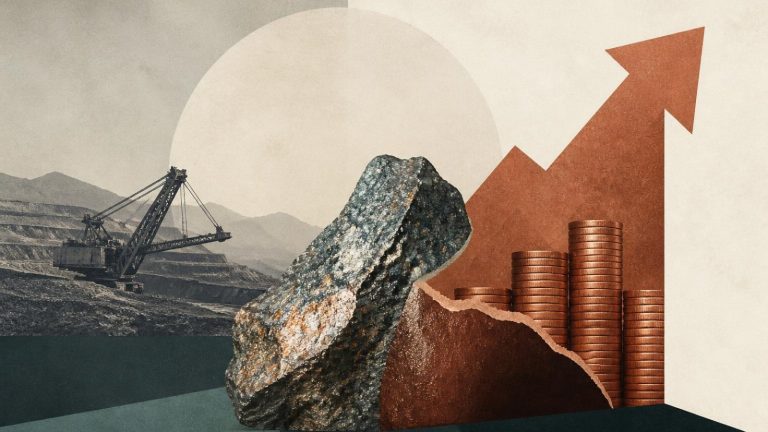
The money side matters as much as the engineering. Satkaliyev has said Russia will lend 85% of the construction cost, with Kazakhstan covering the remaining 15%, as Interfax reported. The overall price is put at about $16.5 billion, including roughly $2 billion for security and infrastructure. The draft budget for 2027 to 2029 also sets aside about $1.7 billion to boost the capital of the state company running the programme, per Times of Central Asia.
Timing is less settled. A site licence is expected in 2027, which would allow construction to start, but earlier officials had floated 2029 as the realistic earliest date. The second plant has been linked to China’s CNNC, a choice that would diversify the country’s partners beyond Russia.
The governance question
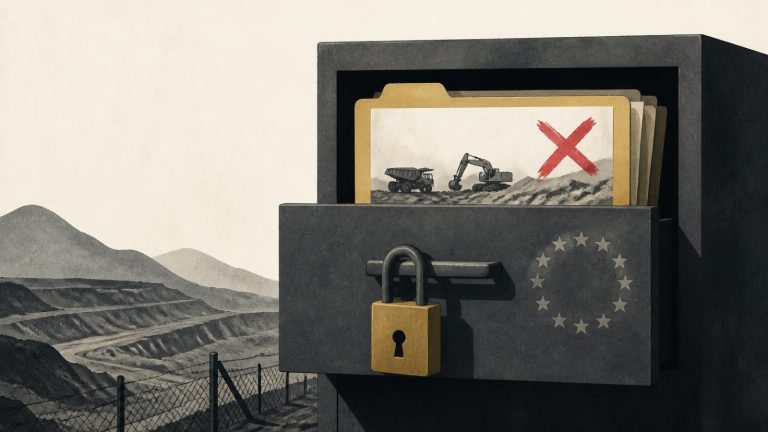
A new layer of tension is emerging inside the state. An industry expert has reported that officials are discussing whether Kazatomprom, the country’s largest uranium producer, should move out of the Samruk-Kazyna fund and under the Atomic Energy Agency. The government has not confirmed this, and the option remains one of several under discussion.
The logic is easy to see. A single agency would hold policy, regulation and commercial production together, which could speed up decisions. The drawback is that the body responsible for licensing and safety would also run the country’s biggest producer. Whether that combination works will depend on how the rules separating those roles are written.
What to watch
Several things will show whether the ambitions hold. The Balkhash site licence and the intergovernmental agreements still being finalised will set the real timetable and cost. The planned 2026 output cut will test whether the uranium-as-strategy argument is backed by volumes. And any decision on Kazatomprom’s governance will reveal how the state intends to balance control, profit and nuclear safety.