Tag: environment

  • Qarmet Recycling Launches Aluminium and Metal Recovery Plant in Kazakhstan

    Qarmet Recycling Launches Aluminium and Metal Recovery Plant in Kazakhstan

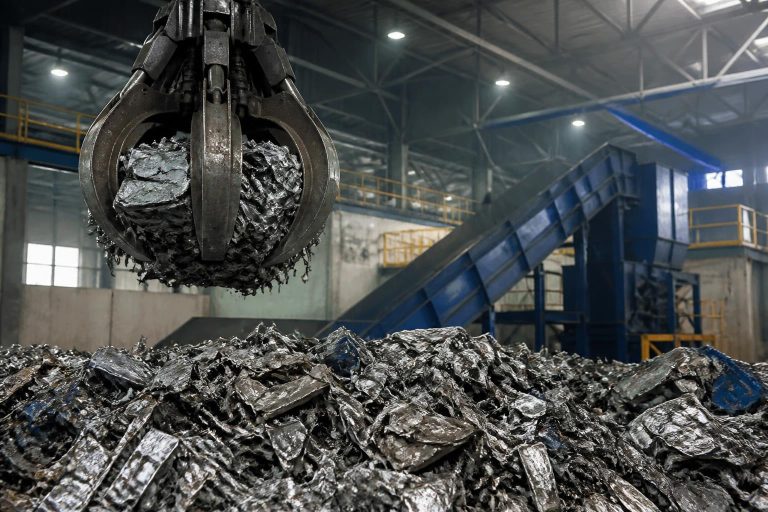
    Qarmet Recycling, formerly known as Recycling Company, has unveiled plans for a new facility aimed at recycling metals, including aluminium, from old vehicles. Located in the village of Doskey in the Bukhar-Jyrau district of the Karaganda region, the plant is part of Kazakhstan’s industrial and innovative development programme. The facility, which was established on June 15, 2016, has recently undergone ownership changes and is now under the management of Qarmet, which acquired the property in 2024.

    The primary operations of the plant involve the production of cast iron, steel, aluminium, and non-ferrous metal alloys from scrap materials derived from decommissioned vehicles, special machinery, and agricultural equipment. The recycling process includes melting metals and converting waste oils into fuel and gas, as well as processing hydrocarbon-containing waste, such as used tyres, into usable energy sources. This shift in focus comes as the company adapts to new emission standards that were revised following changes in ownership and operational scope.

    With an annual processing capacity of up to 80,000 tonnes of end-of-life vehicles (ELVs), the plant is expected to yield approximately 63,750 tonnes of ferrous scrap and 16,250 tonnes of other materials annually. The facility sources its raw materials through a tendering process involving both individuals and legal entities. However, the actual volume of recycling and the specific client list are contingent upon the outcomes of these competitive procedures.

    In addition to vehicle recycling, the plant has the capability to process up to 14,000 tonnes of oil-containing waste per year, including 7,000 tonnes of used oils and lubricants from its pyrolysis facilities. The facility also handles solid hydrocarbon waste, such as tyres, with a processing capacity of up to 9,000 tonnes annually. The output from these operations includes up to 6,000 tonnes of liquid pyrolysis fuel and between 3,500 to 4,500 tonnes of fuel oil each year, along with 600,000 cubic metres of fuel gas.

    Before recycling, vehicles undergo a preparation process where oils and technical fluids are removed. The vehicles are then compressed into briquettes, which are sorted and processed into different categories of metals and other materials. The plant features advanced shredding and melting equipment, including two induction furnaces capable of producing 2,000 tonnes of metal annually. The melted metal is then cast into moulds for further use.

    Qarmet Recycling is part of the Qarmet group, owned by entrepreneur Andrei Lavrentev, who ranks 11th on Forbes’ list of Kazakhstan’s wealthiest individuals, with a net worth of $877 million.


  • Transforming a Coal Mine into Spain’s Largest Artificial Lake: The As Pontes Success Story

    Transforming a Coal Mine into Spain’s Largest Artificial Lake: The As Pontes Success Story

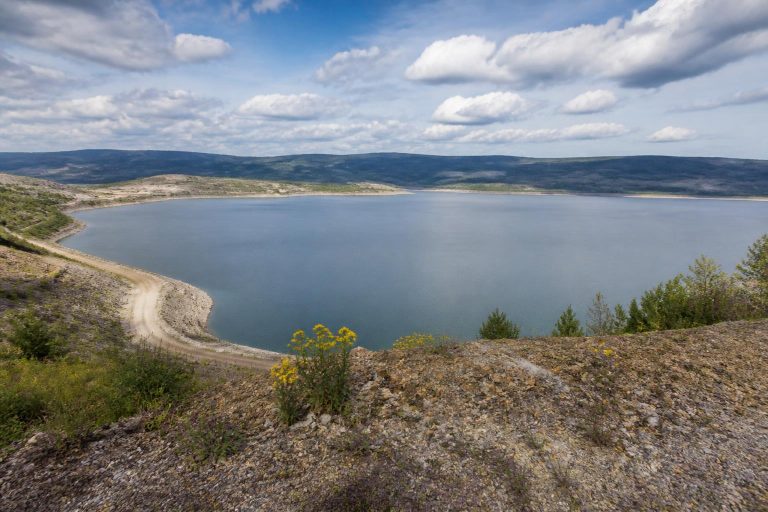
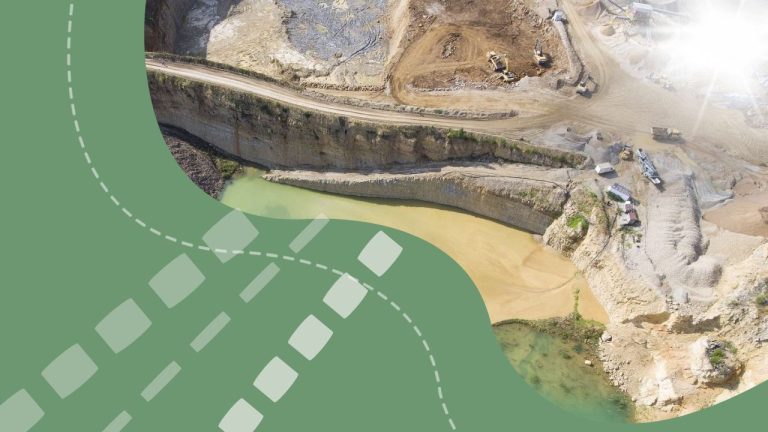
    In northwest Spain, the As Pontes coal mine has undergone a remarkable transformation from a deep pit left by nearly 60 years of lignite extraction to one of the country’s largest artificial lakes. This change began in 2008 when engineers filled the massive pit, which had reached depths of over 300 metres and covered an area equivalent to 1,600 American football fields, with approximately 547 billion litres of water. The mine, initially operated by a state-run company since the 1940s and later by Endesa, Spain’s largest coal-fired power station, extracted around 260 million tonnes of lignite before its closure in 2007 due to stricter EU air pollution regulations.

    The process of filling the pit was not straightforward; it required careful planning to determine the water sources, the rate of filling, and the chemical implications of the water settling into the pit. A study published in the journal Boletín Geológico y Minero details this engineering feat, highlighting the challenges faced and the innovative solutions developed by the research team from the University of A Coruña. The filling was completed in April 2012, and subsequent studies revealed the formation of two distinct layers within the lake: a top layer that is mildly acidic and oxygen-rich, and a deeper layer that is more acidic and devoid of oxygen, separated by a chemocline.

    Today, the As Pontes lake spans 865 hectares and features recreational facilities such as sandy beaches and nature trails. It has received Blue Flag certification, indicating high water quality and safety standards. The surrounding area has seen the emergence of diverse habitats, including meadows and woodlands, and the local economy has shifted from reliance on mining to tourism, with activities like kayaking and canoeing now popular in the area.

    The As Pontes case serves as a significant example of successful mine rehabilitation, showcasing how old mining sites can be transformed into valuable recreational spaces. This transformation is not unique to Spain; similar mining sites around the world, from Germany to the United States, face the challenge of rehabilitation. As more coal mines are closed globally, the lessons learned from As Pontes could guide future efforts to manage and repurpose former mining operations, turning environmental scars into thriving ecosystems and community assets.


  • EU Faces Criticism Over Plans to Fast-Track Industrial and Energy Projects

    EU Faces Criticism Over Plans to Fast-Track Industrial and Energy Projects

    The European Commission is facing growing criticism after a new report by watchdog Corporate Europe Observatory (CEO) accused Brussels of weakening environmental protections in order to accelerate industrial and energy projects across Europe.

    Published on Tuesday, the report claims the EU is using the ongoing energy crisis to justify deregulation measures that could benefit fossil fuel companies, mining firms, hydrogen developers, and major technology corporations. According to CEO, proposed legislation would speed up approval processes for projects labelled as “strategic” or of “overriding public interest,” potentially allowing them to bypass environmental assessments and reducing opportunities for public scrutiny.

    The debate comes amid broader discussions in Brussels over balancing Europe’s industrial competitiveness and green transition goals with environmental safeguards and democratic oversight. The issue has gained further attention following the EU executive’s recent decision to increase free pollution allowances for energy-intensive industries under the bloc’s carbon market by nearly €4 billion.

    CEO researcher and campaigner Pascoe Sabido argued that while the energy crisis initially pushed Europe toward reducing dependence on fossil fuels, industry lobbying has transformed fast-track measures into tools for expanding polluting infrastructure.

    The report warns that the proposed reforms could weaken protections for local communities by limiting their ability to challenge projects affecting health, land, and livelihoods. Hydrogen transport systems, carbon dioxide pipelines, and large-scale data centres were identified as projects that could undermine environmental and social standards.

    Specific concerns were raised over mining developments in Sweden linked to critical raw materials for the energy transition, which campaigners say threaten Indigenous Sámi communities and local water systems. In Ireland, rapidly expanding data centres are reportedly placing additional pressure on the national electricity grid and increasing reliance on fossil fuel power generation.

    The report also highlights concerns over carbon dioxide transport pipelines associated with fossil gas infrastructure. CEO pointed to incidents in Yazoo County in the United States as evidence of potential health risks linked to pipeline leaks, including asphyxiation and long-term health impacts.

    According to the analysis, industry lobbying has influenced several upcoming EU legislative initiatives, including the Environmental Omnibus, the Grids Package, and the Industrial Accelerator Act. Campaigners argue these proposals could reduce environmental impact assessments, expand automatic permit approvals, and restrict access to legal appeals.

    Danish MEP Niels Fuglsang defended accelerated permitting procedures for renewable energy and grid projects, arguing that Europe must speed up clean energy deployment to strengthen energy independence, competitiveness, and the green transition. He also supported exemptions from certain EU water regulations for grid infrastructure projects, calling current procedures excessively time-consuming.

    The European Commission has defended its broader simplification agenda as necessary to accelerate the energy transition, improve industrial competitiveness, and reduce dependence on imported fossil fuels. Environmental groups, however, warn that easing restrictions for polluting infrastructure could lock Europe into long-term fossil fuel dependence rather than prioritising cleaner energy alternatives.

  • Illegal Gold Mining Operation Uncovered in East Kazakhstan, Damage Estimated at 400 Million Tenge

    Illegal Gold Mining Operation Uncovered in East Kazakhstan, Damage Estimated at 400 Million Tenge

    Authorities in East Kazakhstan have uncovered two cases of illegal gold mining, including a major operation in the Shybынды River valley in Ulan district, where offenders extracted gold without a license for two years. According to Timur Mukanov, deputy head of the regional Department of Economic Investigations, the group altered the riverbed and caused significant environmental damage, with total losses estimated at 400 million tenge.

    During the investigation, officials confiscated 6.7 kilograms of gold, specialized equipment, machinery, and $56,000 in cash. The organizers of the illegal mining scheme have been detained, and the criminal case is being prepared for court.

    The department emphasized the importance of strict oversight to prevent unlawful extraction of precious metals. Regional environmental authorities noted that earlier violations in the mining sector had resulted in 9.7 million tenge in fines for companies and individuals in East Kazakhstan.

  • EU’s Lithium Gamble in Serbia Faces Political Turmoil and Public Backlash

    EU’s Lithium Gamble in Serbia Faces Political Turmoil and Public Backlash

    The European Union’s ambitious transition to electric vehicles has hit a political and environmental wall in Serbia, as the Jadar lithium mining project—touted as a game-changer for Europe’s battery supply—becomes entangled in controversy, public protests, and fears of corruption, Politico reports.

    The Jadar deposit, considered one of the richest in Europe, could power up to a million electric vehicles annually and potentially meet a quarter of Europe’s lithium demand. Unsurprisingly, the EU had eyed the site as a cornerstone for its Critical Raw Materials Act (CRMA), aimed at reducing reliance on China for essential resources.

    Developed by mining giant Rio Tinto, the project initially appeared to align with Brussels’ green goals. However, it has triggered fierce resistance in Serbia over environmental concerns and deep mistrust in government transparency. Public sentiment has turned sharply against the mine, seeing it as a symbol of elite corruption and foreign exploitation.

    “If the EU backs Jadar, it sends the message that economic interests override its core values,” warned Aleksandar Matković, a Serbian researcher and protest organizer. The opposition movement, gaining traction as part of broader anti-government unrest, intensified after a state-friendly documentary branded activists as “foreign agents.”

    Even EU Commissioner for Industry, Thierry Breton, notably excluded any non-EU projects—including Jadar—from the March 2025 list of CRMA strategic ventures. Though the Commission reiterated its commitment to Serbia as a strategic partner, critics speculate that Jadar’s controversial status may have played a role.

    Tensions escalated further when Serbian President Aleksandar Vučić met with EU leaders, facing sharp criticism for democratic backsliding. While Vučić accused protesters of being Western-funded, EU officials insisted on reforms in media freedom, anti-corruption efforts, and election integrity.

    Despite the official suspension of the project in January 2022 following mass protests, Rio Tinto has remained active in Serbia—maintaining offices, acquiring over 500 properties, and claiming $500 million already invested. Critics see this as a sign the project is merely paused, not canceled.

    Environmental activist Marija Vuković voiced the growing fear in the region of Loznica, near the proposed site: “People don’t trust the government. They believe their land and water will be sacrificed for someone else’s gain.”

    While some locals welcome the promise of jobs, others are wary of irreversible environmental damage and the potential transformation of the region into a “sacrifice zone.”

    EU policymakers now face a dilemma: Can they back a project so vital to Europe’s green future without appearing complicit in environmental degradation and democratic decline?

    The stakes go beyond lithium. Serbia’s geopolitical balancing act—between the EU, Russia, and China—adds layers of complexity. A move by Brussels perceived as aligning with Vučić could backfire, undermining EU credibility in the Balkans.

    “The EU cannot afford to seem like it’s trading values for minerals,” Matković concluded. “That would betray the very essence of the European project.”

  • President Tokayev Signs New Water Code to Strengthen Kazakhstan’s Water Security

    President Tokayev Signs New Water Code to Strengthen Kazakhstan’s Water Security

    President of Kazakhstan Kassym-Jomart Tokayev has signed the new Water Code of the Republic of Kazakhstan, according to the press service of Akorda. The newly adopted legislation introduces comprehensive reforms aimed at improving water resource management and enhancing national water security.

    For the first time, the concept of “water security” has been introduced into Kazakh legislation. It encompasses protecting the population and the economy from water shortages and pollution, as well as safeguarding Kazakhstan’s interests in the management and use of transboundary water resources.

    The Water Code is structured into five key sections. The first introduces mechanisms for water conservation and protection of water bodies. The second focuses on prioritizing water resource protection, promoting public involvement in decision-making, and emphasizing basin-based water management.

    The third section outlines measures to prevent and mitigate harmful water impacts, including flood control initiatives. The fourth strengthens state regulation and oversight, granting basin water inspections expanded authority for state supervision and rapid response.

    The fifth section is dedicated to ensuring the safety of hydraulic structures. The development of the legislation was guided by five core principles: recognizing water as an essential part of the environment and economic development, valuing water as an economic resource, integrated use of surface and underground waters, conservation through efficient use, and active public participation in managing and protecting water resources.

    The new Water Code consists of 121 articles, 14 chapters, and six sections. It also introduces amendments to four existing codes and nine laws. The updated version of the Water Code was presented to the Mazhilis in November 2024.

  • MP Proposes Using Compensation Payments to Improve Soil Quality in Kazakhstan

    MP Proposes Using Compensation Payments to Improve Soil Quality in Kazakhstan

    The Mazhilis of Kazakhstan’s Parliament has proposed directing compensation payments from large enterprises toward improving soil quality. The initiative was put forward by MP Bakhytzhan Bazarbek during a thematic roundtable discussion.

    According to Bazarbek, under the previously adopted “Aquaculture” law, companies compensate for emissions by funding the planting of green spaces. He suggested expanding this mechanism to include investments in soil fertility improvement.

    He cited major corporations such as Karachaganak Petroleum Operating B.V., Kazakhmys, KazMunayGas, and Tengizchevroil as examples. Under the Paris Agreement, these enterprises are required to reduce emissions, with one option being the purchase of carbon credits. Currently, part of their payments is used for afforestation, with newly planted forests remaining under state ownership.

    Bazarbek proposed a similar approach but directed toward soil restoration through the “Giprozem” system. Nurman Tanatov, Acting Director of the Department of Climate Policy, stated that the agency would consider the proposal.

    Earlier, Bazarbek also announced that the Mazhilis is working on a bill that would amend Article 329 of Kazakhstan’s Criminal Code (Atmospheric Pollution) by incorporating certain provisions from the Administrative Code.

  • General Prosecutor to Audit KazZinc for Environmental Compliance

    General Prosecutor to Audit KazZinc for Environmental Compliance

    The General Prosecutor’s Office will audit KazZinc LLP to assess compliance with environmental laws following significant air pollution in Ust-Kamenogorsk from November 23 to December 1, 2024. The audit will involve experts from the Environmental Regulation and Control Committee.

    The regional roadmap for 2024-2026 includes measures to reduce harmful emissions by 10-20%. Key initiatives include upgrading sulfur gas treatment systems at KazZinc’s metallurgical complex, projected to reduce sulfur dioxide emissions by 2,200 tons by 2026. Despite these plans, air quality in the city remains a critical concern.

  • Untapped Gold Reserves at Europe’s Largest Mine in Asturias, Spain

    Untapped Gold Reserves at Europe’s Largest Mine in Asturias, Spain

    Underneath the Salave Lagoon in Asturias, Spain, lies Europe’s largest untouched gold mine, holding 30 tonnes of gold, equal to about 10% of Spain’s gold reserves. Despite private interest in mining the site and extensive exploration over decades, the local community remains divided on allowing the project to proceed. Explotaciones Mineras del Cantábrico, which holds the mining rights, plans to invest over €100 million, creating direct and indirect jobs while ensuring minimal disruption to the town. However, opposition groups, such as Oro No, argue that the project poses significant environmental risks and legal issues.

  • Rio Tinto CEO Seeks to Reassure Serbian Locals Amid Lithium Mining Controversy

    Rio Tinto CEO Seeks to Reassure Serbian Locals Amid Lithium Mining Controversy

    The CEO of Anglo-Australian miner Rio Tinto, Jakob Stausholm, aimed to ease concerns during his visit to Serbiaon Saturday regarding the company’s controversial lithium mining project. Serbia boasts significant lithium reserves near the western town of Loznica, but the project has faced ongoing political and environmental opposition.

    Stausholm met with local residents in Ljubovija alongside Serbian President Aleksandar Vucic and promised to protect both the environment and the local population. “The biggest challenge for us is to win the trust of you who live here,” Stausholm said, emphasizing the company’s commitment to safety and environmental protection, including the safeguarding of water, soil, and natural habitats.

    President Vucic is on a five-day tour of the region where the mine would be located, engaging in discussions with local communities. He acknowledged the difficulty of the talks but expressed optimism for a productive dialogue.

    In July, Serbia’s top court overturned an earlier government decision that had halted the project following large-scale protests in 2021. This ruling reignited demonstrations across the country, with the largest in early August drawing tens of thousands to the streets of Belgrade, where key roads and train stations were blocked. Despite the ongoing unrest, the Serbian government signed a memorandum of understanding with the EU in July, marking the first step toward developing the country’s lithium resources.