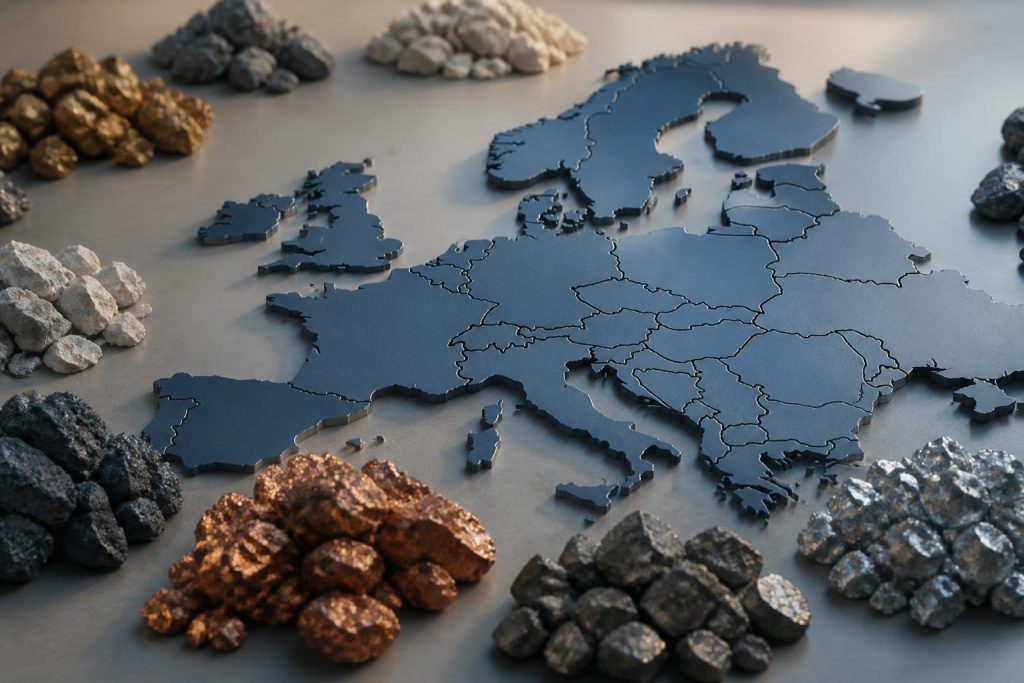
The latest edition of the Critical Matters Newsletter highlights the evolving landscape of critical raw materials in Europe, emphasising the need for a comprehensive approach beyond mere regulation. The European Union’s Critical Raw Materials Act (CRMA) aims to enhance supply chain resilience and strategic autonomy, setting ambitious targets for domestic extraction, processing, and recycling by 2030. Key benchmarks include achieving at least 10% of annual consumption for extraction, 40% for processing, and 25% for recycling, while limiting dependence on single external suppliers to 65% for any strategic material.
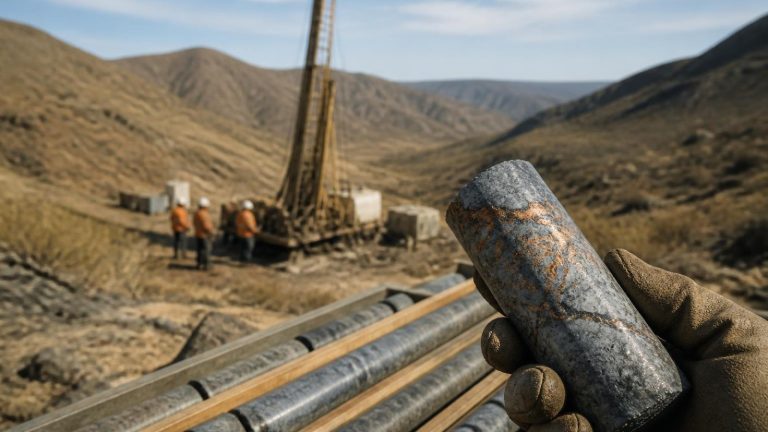
However, the implementation of these goals faces significant challenges. The lengthy timelines for mine development, often extending 10 to 20 years, underscore the difficulty of discovering and developing new mineral resources. While the CRMA seeks to streamline permitting processes for strategic projects, the reality remains that legislative measures cannot hasten the exploration and development phases. Furthermore, the EU’s exploration investment lags significantly behind global leaders, with only 3% of global exploration budgets allocated to the region. To rebuild its exploration capacity, the EU is estimated to require around €2 billion annually over the next five years, a tenfold increase from current levels.
The newsletter also highlights successful examples from countries like Ireland and Canada, which demonstrate how long-term investment, supportive policies, and collaboration between government and industry can strengthen the critical raw materials ecosystem. Ireland, for instance, has become a leader in exploration drilling within the EU due to its transparent licensing system and fiscal incentives. The report concludes that achieving Europe’s critical raw materials ambitions will necessitate a coordinated effort involving investment, innovation, and policy alignment to create resilient and circular value chains across the entire ecosystem.