Tag: supply chain

  • Mkango Resources Completes Acquisition of Remloy Rare Earth Magnet Recycling Business

    Mkango Resources Completes Acquisition of Remloy Rare Earth Magnet Recycling Business

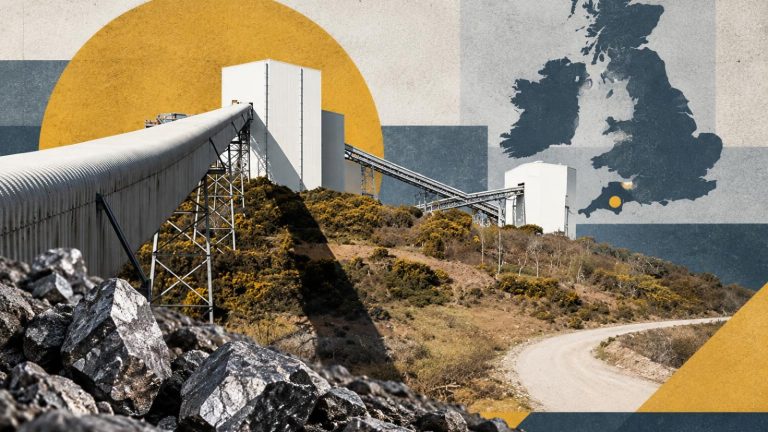
    Mkango Resources Ltd. has successfully finalised its acquisition of the Remloy rare earth magnet recycling business from Heraeus Amloy Technologies GmbH for €8 million (approximately US$9.3 million). This transaction, which was first announced on 20 May 2026, includes an initial payment of €5 million (around US$5.8 million) upon closing, with the remaining €3 million (approximately US$3.5 million) due on 28 August 2028, marking the second anniversary of the deal’s completion.

    Remloy operates a recycling facility in Bitterfeld, Germany, which employs a melting process to recycle end-of-life rare earth magnets. This process produces neodymium-iron-boron (NdFeB) alloy powders, catering to the bonded and hot-deformed magnet markets. The Remloy recycling method complements the short loop recycling process of HyProMag, which focuses on producing sintered magnets, and Mkango Rare Earths UK’s long loop recycling process aimed at generating mixed rare earth carbonates and oxides. The facility aims for a production capacity of at least 500 tonnes of NdFeB alloy powder annually.

    The acquisition comes with several advantages, including a fully commissioned production facility bolstered by substantial investments in equipment and feedstock. At the time of completion, Remloy had a significant stockpile of approximately 345 tonnes of end-of-life rare earth magnets and alloys, which will provide essential feedstock for both Remloy and HyProMag, supporting their growth strategies and creating future trading opportunities.

    Mkango’s CEO, William Dawes, expressed optimism about the acquisition, highlighting the potential to enhance the rare earth supply chain and recycling ecosystem in Germany and surrounding regions. He noted that Mkango is now strategically positioned across the entire rare earth supply chain in Europe and North America, with operations spanning recycling, magnet and alloy manufacturing in the UK, Germany, and the USA, as well as rare earth separation in Poland and mining activities in Malawi.

    David Bender, the newly appointed Managing Director of Remloy, emphasised the company’s readiness to scale up production and recycling capacities for rare-earth magnets. He believes that the integration into Mkango will significantly bolster supply chain resilience and security of supply in Europe, allowing Remloy to better serve its customers through enhanced synergies within the Mkango Group.

    Overall, this acquisition marks a significant step for Mkango Resources as it aims to solidify its position in the rare earth sector, particularly in the context of increasing demand for sustainable recycling solutions and the growing importance of rare earth materials in various industries.


  • US Government Invests $500 Million to Boost Domestic Lithium and Cobalt Processing. Views from Ukraine.

    US Government Invests $500 Million to Boost Domestic Lithium and Cobalt Processing. Views from Ukraine.

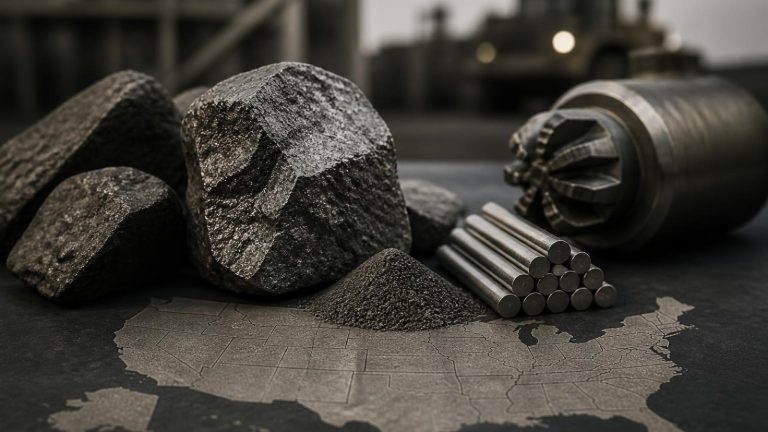
    In a significant move to bolster its domestic supply chain for strategic materials, the United States government has announced a $500 million investment aimed at enhancing the processing capabilities for lithium and cobalt, essential components in battery production. This initiative comes in the wake of recent export restrictions on ‘black mass’—a waste product from lithium-ion batteries that contains valuable metals such as lithium, nickel, and cobalt. The rationale behind these restrictions is to prevent the U.S. from becoming reliant on foreign processing facilities for materials critical to its technological and energy sectors.

    The U.S. Department of Energy has allocated funds to seven private companies that are engaged in various aspects of lithium extraction, cobalt processing, and battery recycling. Notably, $100 million has been awarded to Lilac Solutions for direct lithium extraction in Utah, while Jervois has received a similar amount to develop an integrated cobalt mining and processing complex. Another $100 million is going to Nth Cycle, a company focused on processing black mass into high-purity metals and battery-grade materials, directly addressing the materials that the U.S. has sought to keep within its borders.

    This strategic funding is not merely a financial boost for these companies; it reflects a broader shift in U.S. industrial policy towards a more interventionist approach. The government is actively identifying vulnerabilities in its supply chain and taking steps to mitigate them through direct investment and support. This includes an additional $150 million earmarked for projects that focus on recovering cathode materials, developing battery electrolytes, and creating silicon anodes to reduce dependence on imported graphite.

    The overarching theme of this initiative is clear: the U.S. is committed to maintaining control over its strategic resources and ensuring that the necessary infrastructure is in place to process these materials domestically. This shift in policy indicates that the government is no longer relying solely on market mechanisms to address supply chain issues, but is willing to intervene directly to safeguard national interests.

    As the U.S. takes these steps, it raises questions about how other nations, particularly those like Ukraine, might respond to similar challenges in their own industrial sectors. The implications of this investment could resonate beyond American borders, influencing global supply chains and the dynamics of the mining and battery industries.


  • EU Struggles to Compete with US in Securing Critical Minerals

    EU Struggles to Compete with US in Securing Critical Minerals

    The European Union is at risk of falling further behind the United States in the race to secure critical minerals essential for defence and green technologies, as warned by European officials and industry leaders. The US has made significant investments over the past two years to ensure access to rare earth metals and other materials where China currently dominates global production. Since 2022, Washington has announced approximately $40 billion in provisional funding for mineral projects and has taken equity stakes in various domestic mining companies. Additionally, the US government has actively lobbied for American firms to win mining tenders in countries such as the Democratic Republic of Congo and Kenya.

    In contrast, the EU has designated dozens of strategic mineral projects to benefit from expedited permitting rules, committing around €6 billion to these initiatives this year. However, industry representatives caution that the EU’s pace is too slow to effectively kick-start the sector. Bernd Schäfer, CEO of EIT RawMaterials, expressed admiration for the US approach, stating that while Americans act decisively, Europeans tend to hesitate and over-administrate, resulting in lost time.

    The US is also working to establish a coalition of countries to create supply chains that circumvent China, through a new initiative known as the Forum on Resource Geostrategic Engagement (Forge). However, this initiative has raised scepticism in Brussels, particularly due to the previous US administration’s unpredictable stance towards the EU. European officials assert that the EU must adopt a similar approach to the US by securing offtake agreements and utilising financial tools to develop its critical minerals supply chain ahead of a new strategy set to be unveiled this autumn.

    The EU’s current efforts have primarily focused on designating strategic projects in mining, processing, and recycling, which benefit from faster permitting but lack guaranteed public funding. In stark contrast, the Trump administration invested heavily in developing its supply chain, including acquiring stakes in rare earth producers both domestically and in Europe. For instance, the Pentagon made a $400 million equity investment in MP Materials, a US rare earths producer, and signed a long-term agreement to establish a minimum price for neodymium-praseodymium, a critical alloy used in technologies like electric vehicles and robotics.

    Concerns have been raised about the potential for the US to become a second China for Europe in terms of dependence on rare earth metals. Schäfer noted that regardless of the methods employed by the Trump administration, the US has secured more deals in 18 months than Europe has in the past decade. Furthermore, the US government’s investments in European critical minerals companies, such as USA Rare Earth’s acquisition of British firm Less Common Metals, have sparked worries among European stakeholders.

    The European Court of Auditors has also indicated that despite Brussels selecting 75 strategic projects for streamlined permitting and investment access, it is ‘unlikely’ that many will meet the bloc’s 2030 targets for developing domestic supplies. A mining executive involved in one of the projects described the EU’s efforts as ‘disappointing’ in terms of financial support, highlighting the complexity of obtaining permits. While being designated as a strategic project may serve as effective marketing, it does not significantly alter the operational landscape for these initiatives.

  • Kazakhstan at the Centre of New Uranium Shortage Amid Rising Demand for Nuclear Energy

    Kazakhstan at the Centre of New Uranium Shortage Amid Rising Demand for Nuclear Energy

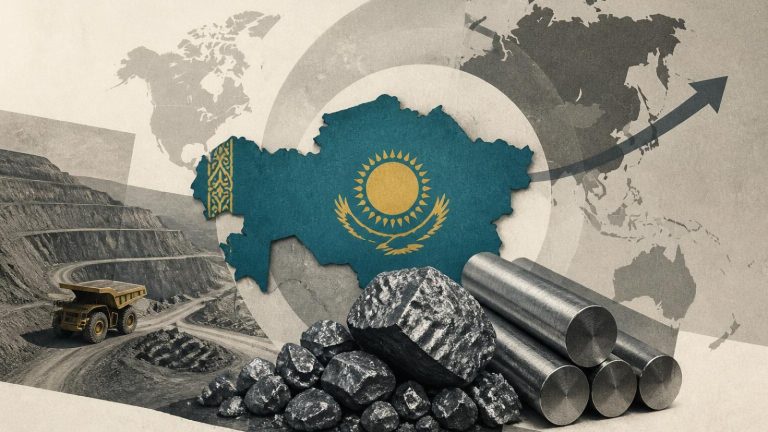
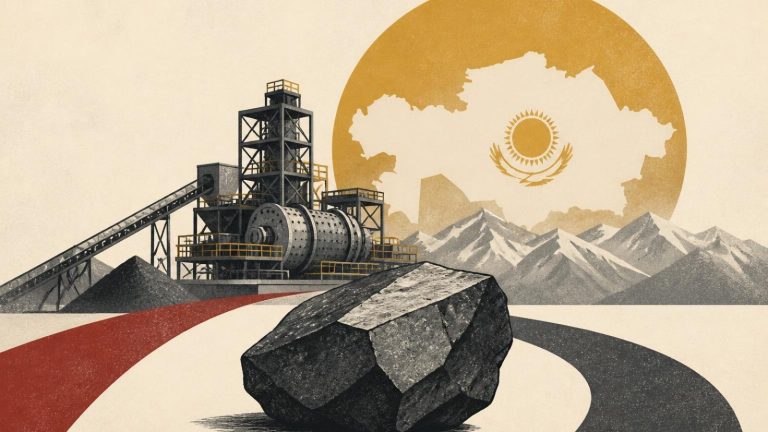
    Kazakhstan has emerged as a pivotal player in the global uranium market, currently facing a significant shortage of this critical mineral due to an upsurge in demand driven by renewed interest in nuclear energy. Anna Bryndza, Executive Vice President for International Affairs at the pricing agency UxC, discussed the complexities surrounding uranium extraction during a recent podcast with World Nuclear News (WNN). She highlighted that uranium mining remains one of the most challenging phases of the nuclear fuel cycle, compounded by supply disruptions, geopolitical risks, trade sanctions, construction delays, and rising production costs.

    Kazakhstan is responsible for approximately 40% of the world’s natural uranium oxide production, serving as a stable source of this energy resource for nuclear power plants in countries such as the USA, Russia, France, India, and China. Bryndza noted that the current deficit in uranium supply will not be resolved quickly, as new capacities are required across all sectors of the nuclear fuel market. The industry is responding to clear price signals, indicating a pressing need for timely operationalisation of new capacities to meet forecasted demand.

    Recent announcements from companies engaged in the nuclear fuel cycle, including Orano, Urenco, and Solstice, regarding major production expansion projects, have been viewed positively. However, there is a cautious approach to increasing supply, influenced by past experiences, particularly the long-lasting effects of the Fukushima disaster, which severely disrupted supply chains. Suppliers are now meticulously planning their expansion rates to ensure they align with actual demand rather than mere signals.

    Since the early 2010s, Kazakhstan has been ramping up uranium production, but the market faced a downturn following the Fukushima incident in 2011. Production levels from 2015 to 2024 fluctuated between 19,500 and 24,700 tonnes, with Kazatomprom and its affiliates aiming to produce between 27,500 and 29,000 tonnes this year, up from 25,800 tonnes last year. The peak of low-cost uranium production in Kazakhstan is expected to occur in the early 2030s.

    Bryndza also pointed out that recent geopolitical events have shifted the perception of nuclear energy and uranium supply towards national security concerns. This has led to government policies aimed at ensuring domestic capabilities, particularly regarding high-assay low-enriched uranium (HALEU), which is becoming increasingly important for the next generation of small modular reactors. Currently, there is no established market for HALEU, and significant gaps must be addressed to create a viable supply chain.

    UxC, known for its price information services, has been publishing uranium price indicators for over three decades. The agency’s approach to pricing aims to encompass a broad range of market participants, facilitating collective decision-making and enhancing the effectiveness of price indicators. Despite Kazakhstan’s status as a leading uranium producer, global prices for this critical mineral are set abroad, raising questions about how UxC’s pricing impacts Kazatomprom’s revenues and tax contributions to the state.


  • Europe’s Critical Raw Materials Strategy: From Regulation to Implementation

    Europe’s Critical Raw Materials Strategy: From Regulation to Implementation

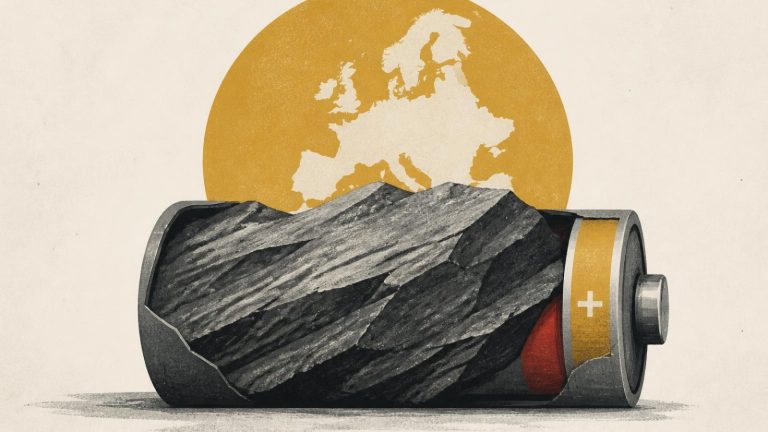
    The latest edition of the Critical Matters Newsletter highlights the evolving landscape of critical raw materials in Europe, emphasising the need for a comprehensive approach beyond mere regulation. The European Union’s Critical Raw Materials Act (CRMA) aims to enhance supply chain resilience and strategic autonomy, setting ambitious targets for domestic extraction, processing, and recycling by 2030. Key benchmarks include achieving at least 10% of annual consumption for extraction, 40% for processing, and 25% for recycling, while limiting dependence on single external suppliers to 65% for any strategic material.

    However, the implementation of these goals faces significant challenges. The lengthy timelines for mine development, often extending 10 to 20 years, underscore the difficulty of discovering and developing new mineral resources. While the CRMA seeks to streamline permitting processes for strategic projects, the reality remains that legislative measures cannot hasten the exploration and development phases. Furthermore, the EU’s exploration investment lags significantly behind global leaders, with only 3% of global exploration budgets allocated to the region. To rebuild its exploration capacity, the EU is estimated to require around €2 billion annually over the next five years, a tenfold increase from current levels.

    The newsletter also highlights successful examples from countries like Ireland and Canada, which demonstrate how long-term investment, supportive policies, and collaboration between government and industry can strengthen the critical raw materials ecosystem. Ireland, for instance, has become a leader in exploration drilling within the EU due to its transparent licensing system and fiscal incentives. The report concludes that achieving Europe’s critical raw materials ambitions will necessitate a coordinated effort involving investment, innovation, and policy alignment to create resilient and circular value chains across the entire ecosystem.


  • Umicore Advocates for a Comprehensive EU Critical Raw Materials Centre

    Umicore Advocates for a Comprehensive EU Critical Raw Materials Centre

    Umicore has submitted a position paper to the European Commission, advocating for the establishment of a Critical Raw Materials (CRM) Centre in Europe that transcends mere joint purchasing and stockpiling initiatives. The company emphasises the need for the CRM Centre to focus on enhancing Europe’s refining, transformation, and recycling capabilities, which are crucial for the continent’s long-term resilience in the face of global supply chain challenges. The paper outlines key recommendations aimed at ensuring that the CRM Centre effectively addresses the unique characteristics of various critical raw material markets.

    Among the recommendations, Umicore suggests implementing a differentiated approach to joint purchasing and stockpiling, tailored to the specific needs of each CRM market. This approach would allow for more strategic investments through mechanisms such as offtake agreements, take-or-pay contracts, and contracts for difference. Additionally, the company highlights the importance of leveraging digital tools, such as Digital Product Passports, to enhance transparency regarding material flows and stocks within the European economy.

    Furthermore, Umicore calls for the introduction of new ‘anti-leakage’ measures to ensure that critical raw materials already present in Europe are refined and upgraded domestically before being exported. This would not only help retain value within European supply chains but also bolster the continent’s overall economic resilience. The proposed CRM Centre is envisioned as a pivotal entity that will monitor material flows and recommend corrective actions to prevent leakage, thereby reinforcing Europe’s position in the global raw materials market.


  • Nordic Region’s Role in Strengthening Europe’s Supply of Critical Raw Materials

    Nordic Region’s Role in Strengthening Europe’s Supply of Critical Raw Materials

    A recent report highlights the Nordic region’s significant potential to enhance Europe’s supply of critical and strategic raw materials amid rising global demand and geopolitical uncertainties. As competition for these essential resources intensifies worldwide, the interplay between the green and digital transitions, along with evolving geopolitical dynamics, is reshaping both demand and supply systems. In this context, the ability to deliver reliable, scalable, and timely supplies of metals and minerals has become paramount, alongside ensuring resource availability.

    The report identifies the Nordic region as a selective yet strong contributor to Europe’s raw material supply chain. Its strengths lie in its strategic role within global value chains, characterised by a selective, complementary, and long-term contribution that supports diversification and resilience rather than merely replacing existing global networks. The analysis underscores the connection between EU and global geopolitical strategies and the strengthening of national and EU supply chains, suggesting a future where mineral value chains are more sustainable and secure.

    The Nordic region boasts significant geological potential for various critical raw materials, including lithium, copper, cobalt, graphite, nickel, and rare earth elements. However, the challenge lies not in the existence of these resources but in the ability to develop and coordinate them efficiently and sustainably to mitigate vulnerabilities in European supply chains. The report calls for sustained investment in geological knowledge, coordinated development efforts, and long-term policy support to unlock the full potential of the Nordic region as a key component of a more resilient European raw materials system.


  • Recommendations for the EU’s Critical Raw Materials Centre: Enhancing Security and Investment

    Recommendations for the EU’s Critical Raw Materials Centre: Enhancing Security and Investment

    The Geneva Platform for Resilient Value Chains has submitted a comprehensive input paper to the European Commission’s Directorate-General for Internal Market, Industry, Entrepreneurship and SMEs (DG GROW) regarding the establishment of the Critical Raw Materials Centre (CRMC). This paper outlines five core pillars and two cross-cutting themes aimed at addressing the current gaps in the EU’s raw materials strategy. The authors, Dr. Tom Moerenhout and Maximilian Kessler, argue that the EU’s approach to critical raw materials must evolve to ensure security of supply and competitiveness in the global market.

    The first pillar focuses on establishing an ‘Industry Intelligence’ hub to collect and analyse market data, which is currently lacking in the EU. The authors highlight the need for a structured system to gather forward-looking information about demand, project pipelines, and supply chain vulnerabilities. They draw comparisons with Japan’s successful trading house model, which integrates state and industry efforts to provide a clearer picture of market dynamics. The proposed Intelligence Hub would serve as a central platform for confidential information sharing, enabling better-informed decisions on investment support and stockpiling.

    The second pillar advocates for ‘Early-risk investment’, proposing a fund similar to Japan’s JOGMEC to support exploration and feasibility studies. The authors stress that the EU currently lacks coherent funding mechanisms for early-stage projects, which hampers the development of strategic mining initiatives. The paper also discusses the need for coordinated financing, stockpiling strategies, and international co-investment to enhance the EU’s position in the global critical minerals landscape. By implementing these recommendations, the CRMC could significantly bolster the EU’s resilience against supply chain disruptions and enhance its competitive edge in critical raw materials.


  • European Metals Association Supports Establishment of EU’s Critical Raw Materials Centre

    European Metals Association Supports Establishment of EU’s Critical Raw Materials Centre

    The European Metals Association has expressed strong support for the objectives of the Critical Raw Materials Act (CRMA), aimed at enhancing the resilience and sustainability of Europe’s raw materials value chains. The association welcomes the establishment of an EU Critical Raw Materials Centre, which is intended to provide crucial support for projects related to critical raw materials (CRMs). This includes diversifying supply, offering financial and technical assistance, pooling demand, and providing market intelligence focused on ensuring supply security.

    In its response to a public consultation, the European Metals Association outlined several key recommendations for the CRM Centre. These include the need for robust market intelligence capabilities to monitor the dynamics of critical raw materials markets and the downstream demand from European industries. The association advocates for the Centre to operate as an independent body, equipped with the necessary financial tools to facilitate CRM investments in close collaboration with member states and industry stakeholders. Additionally, they stress the importance of strategic stockpiling, which should be risk-based and developed in cooperation with industry, ensuring that it does not distort market conditions.

    The association also highlighted the necessity of a dedicated Critical Raw Materials Fund, which should combine various financial instruments to support both existing industrial bases and new strategic projects across the CRM value chain. Furthermore, they called for improved regulatory coherence across EU legislation to eliminate barriers that hinder investment in the raw materials sector. The European Metals Association’s comprehensive recommendations aim to strengthen the EU’s critical raw materials value chain, ensuring that Europe can secure its supply of essential materials amidst growing global demand and geopolitical challenges.


  • US Outpaces Europe in Critical Minerals Investment, Raising Supply Concerns

    US Outpaces Europe in Critical Minerals Investment, Raising Supply Concerns

    The United States is significantly outspending Europe in the race to secure critical minerals, according to a report from The Wall Street Journal. Over the past five years, Washington has committed approximately $46 billion to critical raw materials projects through various financial mechanisms, including grants, loans, and tax incentives. This figure is roughly eight times greater than the amount allocated by the European Union, as highlighted by an analysis from the French Institute of International Relations. This disparity in investment raises concerns that European manufacturers may remain overly reliant on Chinese supplies, which could jeopardise their competitiveness in the global market.

    The aggressive strategy adopted by the US has already begun to disrupt European efforts to establish independent supply chains for critical minerals. For instance, Pensana, a London-based rare earth developer, has shifted its plans for a processing plant from the UK to the US in order to take advantage of financing from the Export-Import Bank. Similarly, the Brazilian rare earth producer Serra Verde has secured US government-backed financing and has entered into a long-term agreement to sell its magnetic rare earth production, further illustrating the impact of US investment on international supply chains.

    In response to these developments, European industry leaders are expressing concerns about the potential for the US to dominate emerging non-Chinese supply chains. Pensana’s founder, Paul Atherley, described the situation as akin to ‘friendly fire’ among Western nations. In light of these challenges, the European Union is formulating its own response, which includes plans for a €3 billion financing hub, the establishment of strategic stockpiles, and partnerships with resource-rich countries such as Canada, Argentina, Norway, and South Africa. By 2030, the EU aims to ensure that no single country provides more than 65% of its strategic raw material needs, a goal that reflects the bloc’s commitment to diversifying its supply sources and reducing dependence on any one nation.