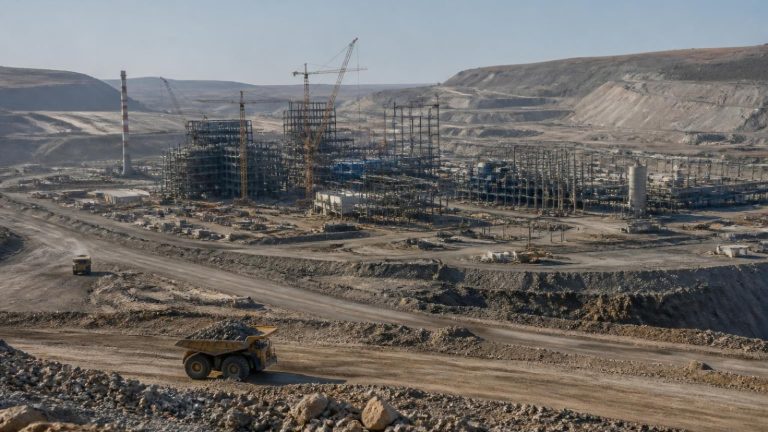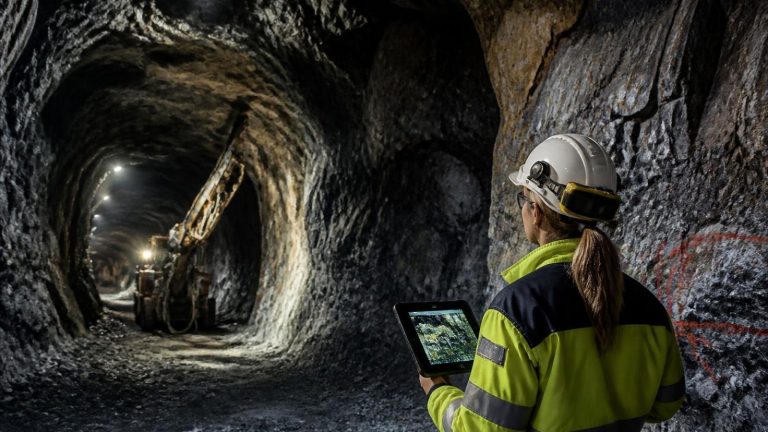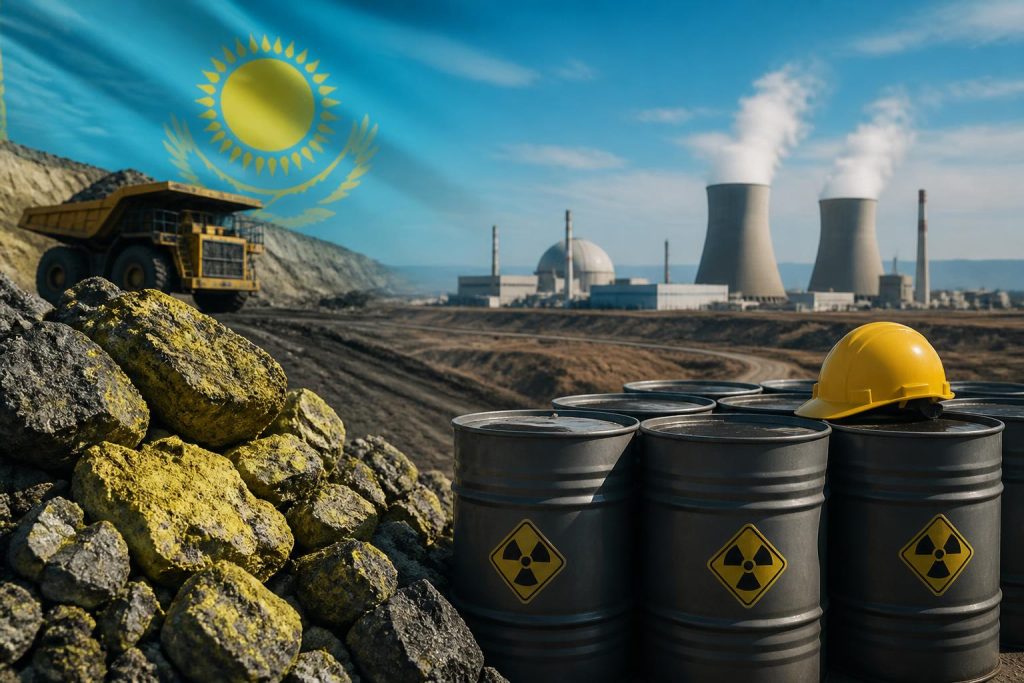
Kazakhstan has emerged as a pivotal player in the global uranium market, currently facing a significant shortage of this critical mineral due to an upsurge in demand driven by renewed interest in nuclear energy. Anna Bryndza, Executive Vice President for International Affairs at the pricing agency UxC, discussed the complexities surrounding uranium extraction during a recent podcast with World Nuclear News (WNN). She highlighted that uranium mining remains one of the most challenging phases of the nuclear fuel cycle, compounded by supply disruptions, geopolitical risks, trade sanctions, construction delays, and rising production costs.
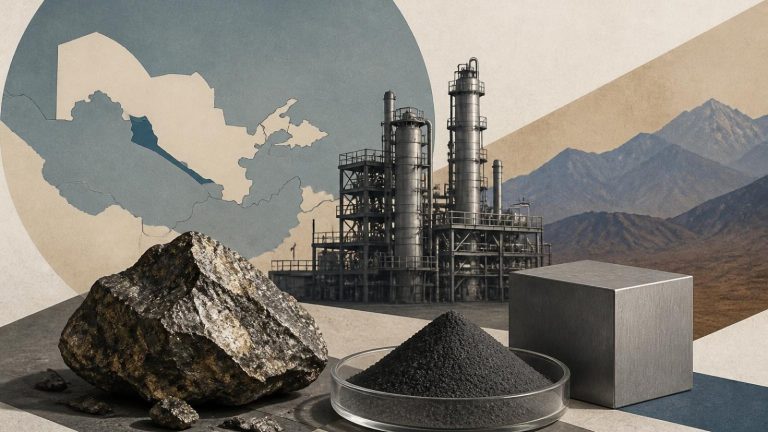
Kazakhstan is responsible for approximately 40% of the world’s natural uranium oxide production, serving as a stable source of this energy resource for nuclear power plants in countries such as the USA, Russia, France, India, and China. Bryndza noted that the current deficit in uranium supply will not be resolved quickly, as new capacities are required across all sectors of the nuclear fuel market. The industry is responding to clear price signals, indicating a pressing need for timely operationalisation of new capacities to meet forecasted demand.
Recent announcements from companies engaged in the nuclear fuel cycle, including Orano, Urenco, and Solstice, regarding major production expansion projects, have been viewed positively. However, there is a cautious approach to increasing supply, influenced by past experiences, particularly the long-lasting effects of the Fukushima disaster, which severely disrupted supply chains. Suppliers are now meticulously planning their expansion rates to ensure they align with actual demand rather than mere signals.
Since the early 2010s, Kazakhstan has been ramping up uranium production, but the market faced a downturn following the Fukushima incident in 2011. Production levels from 2015 to 2024 fluctuated between 19,500 and 24,700 tonnes, with Kazatomprom and its affiliates aiming to produce between 27,500 and 29,000 tonnes this year, up from 25,800 tonnes last year. The peak of low-cost uranium production in Kazakhstan is expected to occur in the early 2030s.
Bryndza also pointed out that recent geopolitical events have shifted the perception of nuclear energy and uranium supply towards national security concerns. This has led to government policies aimed at ensuring domestic capabilities, particularly regarding high-assay low-enriched uranium (HALEU), which is becoming increasingly important for the next generation of small modular reactors. Currently, there is no established market for HALEU, and significant gaps must be addressed to create a viable supply chain.
UxC, known for its price information services, has been publishing uranium price indicators for over three decades. The agency’s approach to pricing aims to encompass a broad range of market participants, facilitating collective decision-making and enhancing the effectiveness of price indicators. Despite Kazakhstan’s status as a leading uranium producer, global prices for this critical mineral are set abroad, raising questions about how UxC’s pricing impacts Kazatomprom’s revenues and tax contributions to the state.