Tag: rare earth metals

  • Kazakhstan to Auction 50 Gold, Copper, Coal, and Rare Metal Deposits in June

    Kazakhstan to Auction 50 Gold, Copper, Coal, and Rare Metal Deposits in June

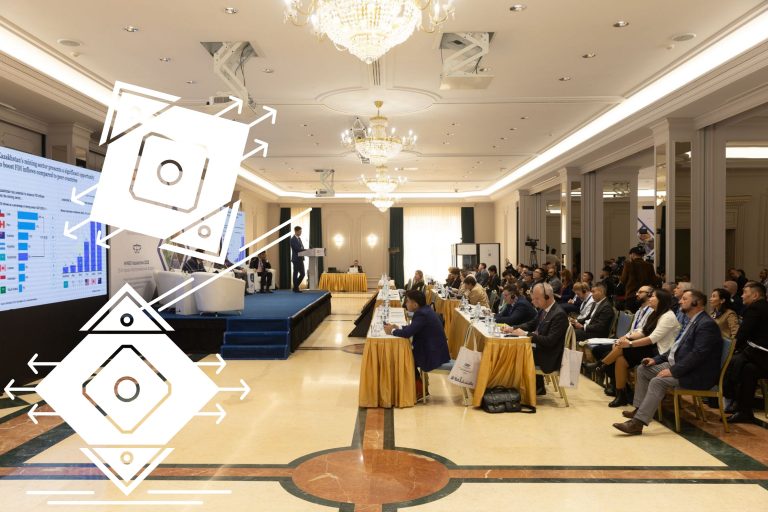
    Kazakhstan will auction 50 deposits of gold, copper, coal, and rare metals in June via its Unified Subsoil Use Platform, representatives from the Ministry of Industry and Construction announced at the 15th MINEX mining and geological forum.

    These deposits, which already have confirmed mineral reserves, will be offered for extraction under licenses valid for up to 25 years. Participating companies must develop a mining plan and specify the development timeline for each site.

    According to the ministry, companies from the United States, the European Union, and China have already applied to participate in the auction.

    Almas Kushumov, Director of the Subsoil Use Department at the Ministry of Industry and Construction of Kazakhstan:
    “These are deposits with proven reserves. We will auction them for extraction — gold, coal, rare and polymetallic deposits. Soon we will publish detailed information on the Unified Subsoil Use Platform. All interested parties will be able to submit documents online and take part in the auction.”

    Experts say that such auctions play a key role in attracting foreign investment to Kazakhstan’s resource sector — especially since some mineral-rich areas have yet to be announced due to incomplete documentation.

    Kushumov noted that in 2024 alone, 23 new deposits of solid minerals were officially added to the national register for the first time.

    “In terms of gold alone, state reserves increased by 20 tonnes. Every year, based on geological exploration results, new reserves are confirmed, added to the state balance, and then made available for extraction.”

  • Kazakhstan Aims to Attract 12 Billion Tenge for Rare Earth Metals Development

    Kazakhstan Aims to Attract 12 Billion Tenge for Rare Earth Metals Development

    Kazakhstan plans to attract nearly 12 billion tenge (approx. $26.7 million) in investments to develop its rare earth and critical mineral deposits, according to the Ministry of Industry and Construction. Currently, the country does not produce rare earth raw materials, but it extracts critical metals such as beryllium, tantalum, niobium, fluorspar, titanium, rhenium, vanadium, antimony, bismuth, scandium, phosphorus, coking coal, bauxite, barite, copper, magnesium, tellurium, and manganese.

    The ministry highlighted cobalt, tungsten, lithium, and other battery and magnet metals as key priorities. Kazakhstan has 56 cobalt deposits and 21 tungsten deposits, with one tungsten mining project already underway in the Almaty region with foreign investors. Additionally, there are seven lithium deposits, with two mining and processing initiatives in progress.

    To boost production, Kazakhstan has developed a comprehensive 2024-2028 plan, focusing on resource expansion, extraction technologies, production modernization, and new standards. Over the next four years, 11.79 billion tenge will be invested in exploration and development, funded by the state budget and other sources.

    The country also aims to enter the battery materials supply chain. In 2024, Kazakhstan began processing manganese sulfate, capturing 5% of the global market. Future projects include processing cobalt, lithium, tin, and tungsten. A joint venture with a German company is exploring lithium deposits, with potential $500 million investments if reserves are confirmed.

    Other collaborations include a Kazakh-British project in Zhezkazgan to process heat-resistant nickel alloys for rhenium extraction, and a Chinese-funded initiative to produce tungsten trioxide.

    Kazakhstan is already a leading producer of titanium, beryllium, and tantalum and seeks technology transfer partnerships for further growth. Recently, Foreign Minister Murat Nurtleu discussed strategic cooperation with U.S. Secretary of State Marco Rubio, particularly in energy and critical minerals.

    Meanwhile, President Kassym-Jomart Tokayev has emphasized the need to develop “new oil” deposits—referring to rare earth metals—as a national priority.

  • Kazakhstan Discovers Massive Rare Earth Metals Deposit, Potentially Reshaping Global Market

    Kazakhstan Discovers Massive Rare Earth Metals Deposit, Potentially Reshaping Global Market

    Kazakhstan has uncovered significant rare earth metal deposits during exploration work at the Kuyrektikol site, according to an official statement. The Central Geological Survey Company (Centrgeolsyomka) identified several promising areas with total resources estimated at one million tons, positioning the country as a potential global leader in rare earth elements (REEs).

    Located 300 km southeast of Astana in the Karkaraly district, the Kuyrektikol site features ancient volcanic formations rich in REEs, with the Irgyz and Dos 2 areas showing particularly high concentrations exceeding 0.1%, and in some samples reaching 0.25%. Preliminary estimates suggest 800,000 tons of metals in the Irgyz block alone, with drilling indicating continuous ore bodies.

    Additionally, a newly identified prospective zone, named “Zhana Kazakhstan” (New Kazakhstan), extends the mineralized area and is estimated to hold over 20 million tons of REEs at an average grade of 700 grams per ton. Authorities claim this deposit represents a new industrial type of rare earth mineralization, unprecedented in Kazakhstan.

    The discovery could propel Kazakhstan to the forefront of the global rare earth market, boosting its high-tech industry. Meanwhile, geopolitical tensions over REEs continue, as US President Donald Trump recently linked military aid to Ukraine to access to its rare earth resources. Ukrainian President Volodymyr Zelensky initially rejected such a deal, citing lack of guarantees, but negotiations continue with a revised US proposal.

  • Kazakhstan Poised to Meet Global Demand for Critical Minerals Amid Energy Transition

    Kazakhstan Poised to Meet Global Demand for Critical Minerals Amid Energy Transition

    Kazakhstan has the potential to ensure uninterrupted supplies of critical minerals and help meet the growing global demand driven by the energy transition and the expansion of the electric vehicle market, according to the Astana International Financial Centre (AIFC). Experts at the center highlight that Kazakhstan possesses export potential in nine key commodity groups, including metals already being exported and others with untapped potential.

    The AIFC report emphasizes that the global shift toward low-carbon development and the rapid growth of the electric vehicle industry will significantly increase demand for critical minerals. Kazakhstan, with its vast resources, is well-positioned to play a pivotal role in this transition. The country has already demonstrated competitive advantages in exporting copper, zinc, aluminum, silver, and lead. Additionally, gold, nickel, lithium, and rare earth metals are identified as emerging export opportunities that could further strengthen Kazakhstan’s position in the global market.

    Kazakhstan holds a 5% share of the global zinc market, ranking seventh in reserves with 6.7 million tons in 2023. In 2022, 70% of its zinc exports went to Turkey, Russia, and China. The country also accounts for nearly 4% of the global copper market, with 20 million tons in reserves, and its top export destinations include China, Turkey, and the UAE.

    While Kazakhstan’s share in the global lead market is around 3%, its silver reserves rank third globally, with an annual demand of 26,000 tons. The country’s aluminum reserves, though less than 1% of the global market, are significant, with major exports going to Turkey, Italy, and Greece.

    Looking ahead, Kazakhstan is exploring opportunities in nickel, lithium, and rare earth metals. The country ranks among the top 20 globally in nickel reserves, with 1.5 million tons, and is collaborating with companies from Germany, South Korea, and the UK to develop lithium deposits. A recent discovery in March 2024 revealed a lithium deposit in Eastern Kazakhstan worth an estimated $15.7 billion.

    Furthermore, Kazakhstan has seen a 3.8-fold increase in rare earth metal exports since 2020. The government has adopted a comprehensive plan for 2024-2028, investing 2.4 billion tenge to develop this sector. With potential resources valued at $46 trillion, Kazakhstan is set to become a key supplier of critical raw materials to the European Union, as highlighted in a recent agreement worth 3 million euros.

  • Ukraine’s Mineral Wealth Attracts Global Interest, Valued at $26 Trillion

    Ukraine’s Mineral Wealth Attracts Global Interest, Valued at $26 Trillion

    Ukraine’s vast mineral resources, estimated to be worth $26 trillion, have drawn significant international attention. The country’s subsoil holds approximately 5% of the world’s total mineral resources, including rare earth metals, which have sparked particular interest from the new US president.

    Ukraine boasts over 20,000 mineral deposits of at least 20 types, making it a key player in the global mining industry. Among its most valuable resources are iron ore, titanium, manganese, uranium, rare earth metals, graphite, lithium, gallium, copper, and zinc.

    The Kryvyi Rih Basin is home to Ukraine’s largest iron ore reserves, estimated at 27.4 billion tons, accounting for over 90% of the country’s production. Ukraine also holds the largest titanium reservesin Europe, representing about 7% of the global total, a critical resource for industries like aerospaceand medical equipment.

    In addition, Ukraine is a global leader in manganese reserves, with significant deposits in the Nikopol Basin. The country also possesses 2.3% of the world’s uranium reserves and a variety of rare earth metals essential for nuclear energy and advanced technologies.

    Ukraine ranks among the top five countries globally for natural graphite reserves, with 18 million tonsof confirmed deposits and 100 million tons of potential resources. The country is also a major supplier of lithium, with estimated reserves of 500,000 tons, crucial for battery production.

    Furthermore, Ukraine is the fifth-largest producer of gallium, a vital component in semiconductor manufacturing, and a significant producer of copper (4th in Europe) and zinc (6th in Europe).

  • Kazakhmys Denies Allegations of Illegal Export of Rare Earth Metals

    Kazakhmys Denies Allegations of Illegal Export of Rare Earth Metals

    Kazakhmys Corporation has officially denied media reports alleging the illegal export of copper ores and concentrates without proper analysis and the concealment of rare earth metal content. The company stated that all its products undergo strict quality control, and in cases where copper concentrates are exported, independent chemical analyses are conducted in world-class laboratories such as SGS Kazakhstan.

    Kazakhmys also emphasized that it does not engage in the targeted extraction of rare earth metals. Small amounts of rare metals are recovered from production waste and processed at state-owned and private enterprises within the country, in full compliance with legal regulations.

    The company assured that its operations are entirely transparent and are closely monitored by the relevant authorities. Kazakhmys supports enhanced government oversight of raw material exports and is open to cooperation with authorities for any necessary inspections.

  • Kazakhstan Expands Geological Exploration and Resource Discoveries in 2024

    Kazakhstan Expands Geological Exploration and Resource Discoveries in 2024

    Kazakhstan’s Ministry of Industry and Construction has highlighted a productive year in geological exploration, adding 17 deposits of solid minerals and six hydrocarbon fields to the national resource balance. Among the key findings are substantial reserves of gold (107.5 tons), silver (1,900 tons), copper (4.9 million tons), and iron ore (128 million tons). The year also saw reserves of tungsten, molybdenum, manganese, zinc, and lead significantly boosted, while chromium resources were documented at 464.1 thousand tons.

    Six newly identified hydrocarbon fields brought an estimated 1,776.5 million cubic meters of natural gas to the national inventory. However, the ministry did not specify the time frame for these discoveries. Looking ahead, over 20 billion tenge will be allocated for geological research between 2024 and 2026, with the goal of increasing Kazakhstan’s explored area from 1.5 million to 2.2 million square kilometers.

    Efforts are underway to study 60 promising locations for noble, ferrous, and non-ferrous metals, with a special focus on rare and rare-earth elements. Among these, the Kuyrektykol deposit stands out, with preliminary estimates indicating 800,000 tons of reserves. These developments underscore the country’s commitment to bolstering its mining sector and ensuring a robust resource base for future economic growth.

  • Kazakhstan Intensifies Search for Rare Earth Metals

    Kazakhstan Intensifies Search for Rare Earth Metals

    Kazakhstan continues exploration efforts across 12 sites as part of a government initiative to study mineral resources and boost the development of the rare earth metals sector.

    According to Kanat Sharlapayev, the Kuyrektikol site in the Karaganda region has shown significant promise, with reserves estimated at approximately 800,000 tons and forecasted resources reaching 935,400 tons of rare earth metals, including cerium and lanthanoids.

    Private companies like Cove Capital and HMS Bergbau are spearheading these exploration activities. Sharlapayev noted that the Ministry of Industry is actively working to declassify reserve data, excluding osmium and rhenium, to attract investment and enhance the sector’s development potential. This initiative is expected to be completed by the end of 2024.

    Currently, Kazakhstan boasts 15 rare earth deposits, 11 of which are under subsoil use agreements. Key deposits include Melovoye, Tomak, Taybogar, Tasmuryn, Kundybay, Akbulakskoye, Dzhamschi, Moynkum, Inkay, Akdala, Kanjugan, Mynkuduk, and Budenovskoye.

  • Kaz Critical Minerals Completes Successful Drilling Program in East Kazakhstan

    Kaz Critical Minerals Completes Successful Drilling Program in East Kazakhstan

    Kaz Critical Minerals LLC (KCM), a subsidiary of Kaz Resources LLC and portfolio company of Cove Capital LLC, has completed its drilling program on the Alday concession in East Kazakhstan, a key milestone in its efforts to develop critical minerals in the region. The program included 15 holes spanning 4,700 meters and sets the stage for further exploration across additional concessions.
    CEO Pini Althaus expressed optimism, noting that preliminary results from the Alday site are “very promising”. KCM plans to expand its drilling activities across three other concessions, fast-tracking exploration for the remainder of the 2024 field season. The company is also benefiting from timely approvals from the Kazakhstan Government, keeping their exploration schedule on track.
    KCM, with the backing of Cove Capital, remains committed to sustainable exploration, collaborating with local communities for mutual benefit. Cove Capital has also formed a strategic alliance with Kazakhstan’s Sovereign Wealth Fund and Tau-Ken Samruk to advance rare earth metal exploration, particularly through joint ventures like the Akbulak rare earth project.

  • Norway Discovers Europe’s Largest Rare Earth Metals Deposit, Boosting Efforts to Reduce China’s Dominance

    Norway Discovers Europe’s Largest Rare Earth Metals Deposit, Boosting Efforts to Reduce China’s Dominance

    Norway has recently announced the discovery of Europe’s largest proven deposit of rare earth metals, a significant development as these 17 elements are essential for a wide range of modern technologies. Despite being termed “rare earth,” these elements are not particularly scarce in the Earth’s crust but are often found in low concentrations, making them difficult to extract and purify.

    According to a CNBC report, this Norwegian deposit is among the few in the world not owned or controlled by China, which currently dominates the global rare earths market. The discovery is seen as a crucial step in Europe’s efforts to reduce its dependence on China for these critical minerals. The demand for rare earth metals is expected to surge in the coming years due to the increasing pace of the clean energy transition.

    Rare earth metals such as Lanthanum, used in batteries and catalytic converters, Cerium, used in polishing compounds and catalytic converters, and Neodymium, known for its powerful magnetic properties, are among those found in the deposit. Other metals include Dysprosium, used in strong magnets and lasers, and Europium, essential for fluorescent lights and color television screens.

    Rare Earths Norway revealed that its Fen Carbonatite Complex in southeastern Norway contains 8.8 million metric tons of total rare earth oxides (TREOs) with a strong potential for economic extraction. Within these TREOs, approximately 1.5 million metric tons are magnet-related rare earths, which are critical for technologies such as electric vehicles and wind turbines. This discovery surpasses a significant rare earths deposit found in Sweden last year.

    Alf Reistad, CEO of Rare Earths Norway, described the discovery at Fen as a “great milestone” for the company and emphasized that there is currently no extraction of rare earth elements in Europe. Meanwhile, China continues to dominate the rare earth metals market, controlling 70 percent of global rare earth ore extraction and 90 percent of ore processing. China’s dominance is attributed to decades of state investment, export controls, cheap labor, and low environmental standards.

    A report from the Oxford Institute for Energy Studies highlights that Western countries are now developing strategies to reduce supply chain risks. These strategies include opening new mines and processing plants, advancing recycling technologies, and fostering international collaboration. However, the report notes that it is unlikely that China’s dominance will be significantly reduced before 2030.