Tag: Germany

  • GreenX Metals Uncovers Deep Copper Source at Historic German Mining District

    GreenX Metals Uncovers Deep Copper Source at Historic German Mining District

    GreenX Metals (ASX: GRX) has identified the likely deep source of copper mineralisation beneath Germany’s historic Richelsdorf mining district, marking the first modern exploration at the site in 40 years.

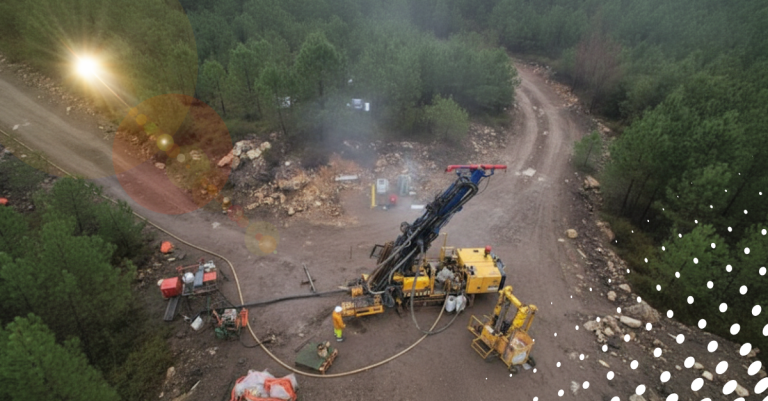
    A helicopter-borne magnetic and radiometric survey, spanning 58 square kilometres over 660 line kilometres at 100-metre spacing, confirmed the presence of the Mid-European Crystalline Zone (MECZ). This major geological structure is widely regarded as the source of metals feeding the Kupferschiefer deposits, one of Europe’s most significant copper belts.

    Data analysis revealed two large amplitude magnetic anomalies supported by gravity modelling, consistent with an uplifted basement block beneath the old mines. Chief executive officer Ben Stoikovich described the discovery as a “breakthrough,” noting that the newly mapped structures and fluid pathways could play a critical role in the formation of copper-rich mineralisation.

    The survey also highlighted extensive fault zones that extend into the larger Tannenberg 2 licence area, suggesting the mineral system may be much larger than previously believed. Combined, GreenX’s 1,900 square kilometre landholding gives it one of central Europe’s largest brownfield copper exploration footprints.

    The project benefits from Germany’s existing infrastructure, shallow cover, and a long mining history, making it strategically valuable at a time when copper is increasingly important to both Germany and the wider European Union.

    The exploration is fully funded by the BHP Xplor program, which GreenX has extended until October 2025. Upcoming work includes relogging and assaying historical core, hyperspectral scanning, reprocessing legacy geophysics, and developing a new geological model to refine drill targeting.

    Stoikovich added that the ongoing integration of historic records with modern geophysical data is steadily building confidence in the project’s potential to deliver new copper discoveries.

  • Torngat Metals Secures Rare Earth Supply Deal with German Magnet Maker VAC

    Torngat Metals Secures Rare Earth Supply Deal with German Magnet Maker VAC

    Montreal-based Torngat Metals has signed a memorandum of understanding (MoU) with German company Vacuumschmelze (VAC) to pursue a long-term supply agreement for rare earth oxides. The non-binding deal was formalised in Berlin on Tuesday, marking a significant step in diversifying the global rare earth supply chain.

    The agreement was signed by Torngat Metals CEO Yves Leduc and VAC CEO Erik Eschen, with the attendance of Canada’s Minister of Energy and Natural Resources Tim Hodgson and Germany’s Minister for Economic Affairs and Energy Katherina Reiche. Both nations have been actively seeking to reduce dependence on China, which currently dominates the global rare earths industry, particularly for technologies such as wind turbines, electric vehicles, and defence systems.

  • Serbia to Retain Entire Gold Reserve on Home Soil, Snubbing Traditional Hubs

    Serbia to Retain Entire Gold Reserve on Home Soil, Snubbing Traditional Hubs

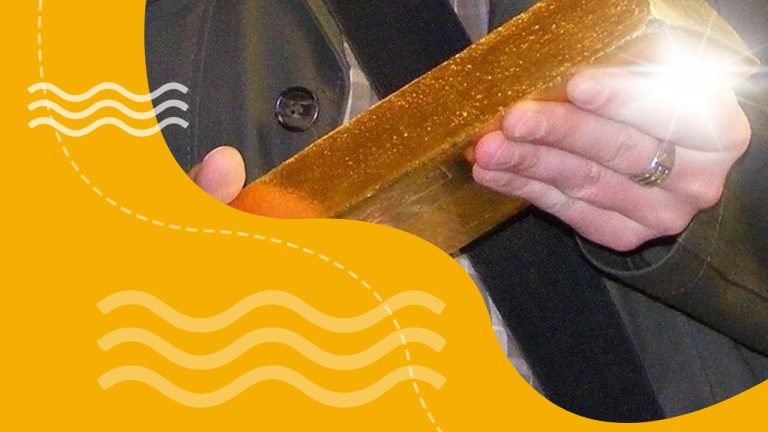
    Serbia’s central bank has revealed plans to relocate all of its gold reserves—valued at roughly £4.7 billion—back to its own territory, in a move aimed at safeguarding the stockpile during times of crisis.

    This would make Serbia the first country in Eastern Europe to entirely eschew established storage locations such as Switzerland, the United Kingdom, and the United States.

    “In bringing the gold back to Serbia, the National Bank sought to enhance both its accessibility and security during periods of instability,” the institution stated, noting that the repatriation effort had commenced in 2021 amid growing global uncertainty.

    Following the freezing of Russia’s foreign currency reserves in 2022, the rate of gold accumulation by central banks worldwide doubled, underscoring the political risk involved in holding reserves in US dollar and euro-denominated assets. Housing gold bars domestically reduces the threat of external interference.

    Between 2019 and the end of last year, Serbia acquired 17 tonnes of gold abroad and a further 19 tonnes from the local arm of Zijin Mining Group. This brought the total reserve to 50.5 tonnes, nearly all stored in Belgrade—except for five tonnes bought in 2024, which remain in Switzerland for now.

    Those final five tonnes will be brought back “as soon as possible,” according to Governor Jorgovanka Tabaković. Serbia’s neighbours hold differing proportions of their reserves domestically, ranging from 86% in Hungary to around 25% in Poland, as per data compiled by Bloomberg.

    The central bank said it had weighed the pros and cons before committing to full repatriation, admitting that while holding gold in global market hubs facilitates easier selling and lending, the risks outweighed those advantages.

    The Bank of England’s vault in London currently houses a significant portion of the world’s gold reserves—around £430 billion in value—cementing the UK’s position as the primary hub for precious metals trading. Similarly, the Federal Reserve in New York holds gold on behalf of nations including Germany and the Netherlands.

    Germany’s decision to bring gold back home over a decade ago sparked national debate and was driven by Cold War fears. Though the Soviet threat has since faded, the metal remained overseas until the repatriation effort was completed.

    Other countries, such as Poland and the Netherlands, have followed suit, while similar calls for domestic storage have echoed through Slovakia and Romania.

    The notion of storing gold within national borders has gained traction among rising populist movements, such as Germany’s Alternative für Deutschland, which regards it as a crucial safeguard against international political pressure.

  • China Says Rare Earths “Not a Problem” for Europe Amid Export Licensing Concerns

    China Says Rare Earths “Not a Problem” for Europe Amid Export Licensing Concerns

    China’s Foreign Minister Wang Yi attempted to calm European fears over rare earth export restrictions during a visit to Berlin on Thursday, insisting that “rare earths have not been, are not, and will not be a problem” between China and Europe. His remarks come amid growing anxiety in the EU over Beijing’s tightening grip on critical mineral exports.

    Speaking alongside German Foreign Minister Johann Wadephul, Wang emphasized that China’s new licensing regime, which began in April, is standard practice for controlling dual-use goods, not an attempt to disrupt supply. “If legal applications are submitted, Europe’s and Germany’s normal needs can be met,” he said.

    The comments were made during Wang’s European tour, which is aimed at laying the groundwork for the upcoming EU-China summit later this month. The Chinese diplomat had previously met EU foreign policy chief Kaja Kallas in Brussels, who also pressed for an end to export curbs.

    Germany, one of the EU’s leading industrial powers and heavily reliant on critical materials, expressed unease over the export rules. “The restrictions are causing great concern and damaging China’s image as a reliable trade partner,” Wadephul said, though he noted efforts were underway to find “sustainable joint solutions” and ease tensions.

    Beijing controls over 90% of global rare earth processing capacity, making its policy decisions critical to industries ranging from electric vehicles to consumer electronics. In April, China imposed a requirement for exporters to obtain special licenses — a move seen by many as retaliation for escalating trade pressures, particularly with the United States.

    When asked if a deal on the export restrictions could be reached before the EU-China summit, Wang reiterated that the issue should not be viewed as a bilateral dispute. He also pointed to the Chinese Ministry of Commerce’s fast-track procedure to expedite applications and ease concerns.

    Beyond rare earths, the two ministers also discussed global flashpoints, including Russia’s invasion of Ukraine, tensions over Taiwan, and the Middle East crisis. Wadephul added, “We believe China can play a constructive role in relation to Iran.”

  • Germany’s New Economy and Energy Minister Calls for “Reality Check” in Energy Policy

    Germany’s New Economy and Energy Minister Calls for “Reality Check” in Energy Policy

    Katherina Reiche, the newly appointed German Economy and Energy Minister from the conservative Christian Democrat (CDU) party, has called for a “new agreement on the fundamentals” of the country’s energy strategy. In her inaugural address, Reiche emphasized the need for a freer energy market and greater innovation, with energy security as the top priority. “The blackout on the Iberian Peninsula showed how vulnerable an electricity system can be. We must prepare ourselves for minimizing risks of this kind,” she stated.

    While acknowledging the progress made in climate action through the expansion of wind and solar power, Reiche stressed that the associated systemic risks and costs had been underestimated. As part of a comprehensive “reality check” in energy policy, she argued for better alignment of renewable power expansion with grid infrastructure improvements.

    Reiche also underlined that renewable energy alone would not suffice to reliably power an industrialized nation like Germany. To bridge this gap, the government plans to expedite auctions for up to 20 gigawatts of new gas-fired power plant capacity and expand carbon management technologies (CCS/CCU). Further, she committed to fulfilling the coalition’s agreements, including a reformed approach to decarbonizing the heating sector with flexible CO2-reduction measures, the introduction of an industry power price, and the use of reserve power plants for price stabilization.

    In her address, Reiche praised her predecessor, Robert Habeck of the Green Party, for his efforts during the energy crisis spurred by Russia’s invasion of Ukraine, recognizing his resilience in facing political pressure while making critical decisions.

    Reiche concluded her speech with a call to tackle Germany’s economic challenges, acknowledging the impact of high taxes, energy costs, and bureaucratic hurdles on industrial competitiveness. While noting external pressures from Russia’s war and the US’s trade policies under Donald Trump, she pointed to Germany’s own structural issues as the primary obstacles. “The root cause of the country’s problems is ‘Made in Germany.’ But that also means the solution can be ‘Made in Germany,’” she affirmed. Reiche promised a policy approach focused on activation and market-driven solutions over regulation.

  • Vulcan Energy Finalizes Acquisition of Geox, Expands Lithium and Renewable Energy Footprint in Germany

    Vulcan Energy Finalizes Acquisition of Geox, Expands Lithium and Renewable Energy Footprint in Germany

    Vulcan Energy has successfully completed the acquisition of Geox GmbH, securing 100% ownership of its geothermal wells, renewable energy generation assets, and a geothermal and lithium licence in the Landau region of Germany. This strategic move consolidates Vulcan’s upstream Phase One assets and replaces the former Joint Venture and brine offtake agreements with Geox.

    The Landau site is also home to Vulcan’s Lithium Extraction Optimisation Plant (LEOP) and the future Geothermal and Lithium Extraction Plant (G-LEP), which are central to the company’s Phase One Lionheart Project. The project aims to produce battery-grade lithium for European offtake partners and deliver renewable energy and heating to local consumers.

    As part of its development plans, Vulcan will dismantle the existing geothermal power plant at the Geox site, ramp up brine production, and begin supplying baseload renewable heating to the City of Landau. The renewable heating portion of the project has already secured a €100 million grant from the German Federal Government.

    Vulcan estimates that 20% of its Phase One upstream brine production will come from the newly acquired licence area, reinforcing its mission to deliver zero-carbon lithium alongside sustainable energy.

    Managing Director and CEO Cris Moreno stated:

    “The completion of the acquisition of Geox is the final step in consolidating our upstream renewable energy assets for Phase One, streamlining operations, and an important pre-requisite to finalising our Phase One financing package. We are at an important juncture in the history of Vulcan and look forward to sharing more developments as we transition to the construction and production phase of the project.”

  • Germany’s Uranium Imports from Russia Surge in 2024 Amid EU Debates

    Germany’s Uranium Imports from Russia Surge in 2024 Amid EU Debates

    Germany significantly ramped up its uranium imports from Russia in 2024, recording a 70% increase to 60.8 tons, according to a report from Der Spiegel based on data from Lower Saxony’s Ministry for Environment, Energy, and Climate Protection. The uranium is processed at the Advanced Nuclear Fuels facility in Lingen, operated under French ownership through Framatome, part of energy company EDF. This facility is preparing specialized nuclear fuel cells for WWER reactors, a Soviet-era design predominantly used in Eastern Europe, which have traditionally relied on Russian-made fuel.

    Germany’s Federal Ministry for the Environment clarified that uranium imports for peaceful nuclear use are not restricted by current EU sanctions on Russia. This exemption highlights a gap in the EU’s energy embargo strategy, even as the bloc attempts to sever energy ties with Moscow. Attempts to impose nuclear-related sanctions have repeatedly stalled due to opposition from member states like Hungary and Slovakia, which rely heavily on Russian energy cooperation.

    Dan Jorgensen, the EU’s energy commissioner, recently admitted that the union’s efforts to curtail dependency on Russian energy, including nuclear fuel, have faltered. Jorgensen emphasized the need for a robust new strategy to address this issue, pointing out that existing policies are failing to achieve their intended goals. His proposed roadmap is expected to outline more effective measures to reduce reliance on Russian energy resources across the EU.

  • German MPs Criticize Lithium Mining in Serbia Amid Human Rights and Environmental Concerns

    German MPs Criticize Lithium Mining in Serbia Amid Human Rights and Environmental Concerns

    German Left Party MPs have raised concerns over the mining of lithium in the Jadar Valley, Serbia, questioning their government’s stance and expressing dissatisfaction with the responses provided. According to Cornelia Möhring, a Die Linke MP, the German government’s answers reflect its prioritization of geopolitics and industrial interests over democratic principles and environmental protection. Möhring highlighted that local Serbian communities have been protesting for years against industrial lithium mining due to its harmful consequences, facing threats and persecution in return.

    In a recent inquiry, Möhring, alongside MPs Gregor Gysi and Susanne Hennig-Wellsow, criticized the German government for failing to address key concerns, including environmental violations and threats against Serbian environmental activists. The Federal Ministry of Economy and Climate Protection, representing the German government, avoided providing clear commitments on human rights and ecological standards.

    The MPs cited the “Strategic Partnership Agreement for Sustainable Raw Materials”, signed in July 2024 by German Chancellor Olaf Scholz, Serbian President Aleksandar Vučić, and EU Vice President Maroš Šefčovič. This agreement opens doors for Rio Tinto’s lithium mining operations in Serbia, which activists claim disregard environmental and democratic standards.

    Möhring criticized the government for neglecting Serbia’s deteriorating democracy and rule of law, accusing it of prioritizing cheap electric car batteries over human rights. She called for an immediate moratorium on the lithium deal and urged a reassessment of Germany’s foreign policy to ensure transparency and accountability.

    Another Die Linke MP, Gökay Akbulut, condemned the German government for relying entirely on Serbian authorities to enforce environmental standards. He stated that this unprincipled approach undermines both environmental efforts and democratic values, signaling that economic interests outweigh ethical considerations.

  • Germany Supports Savannah Resources’ Barroso Lithium Project with $270 Million Loan Guarantee

    Germany Supports Savannah Resources’ Barroso Lithium Project with $270 Million Loan Guarantee

    Germany’s export credit agency, Euler Hermes, has signed a non-binding letter of interest for a loan guarantee of up to $270 million to support Savannah Resources in developing the Barroso lithium project in northern Portugal. The guarantee covers 80% of a loan, making it an attractive proposition for Germany’s KfW IPEX-Bank and other financial institutions. KfW IPEX-Bank, a key development partner, has played a pivotal role in facilitating this process.

    This initiative reflects Germany’s and the European Union’s urgency to establish a domestic lithium supply chain and reduce dependence on imports, primarily from China, which currently supplies 97% of Europe’s lithium. Emanuel Proença, CEO of Savannah Resources, highlighted the importance of the move, linking it to the recently enacted European Critical Raw Materials Act. The legislation mandates that 10% of the EU’s critical raw materials must be sourced domestically and 40% processed within Europe by 2030.

    Savannah’s Barroso project, situated about 145 km from the deep-water port of Leixões near Porto, is a cornerstone of Europe’s efforts to bolster its lithium supply. A 2023 scoping study revealed the project’s potential to produce 26,000 tonnes of lithium carbonate equivalent annually over a 14-year lifespan, with an after-tax net present value of $953 million and a robust internal rate of return of 77.3%.

    Despite current lithium market oversupply and plummeting prices, Proença predicts a market rebound by the time Barroso begins production in 2027. He noted a likely deficit in lithium supply from 2027 onwards, supported by strategic developments such as the opening of AMG Critical Materials Group’s lithium hydroxide refinery near Berlin.

    The loan guarantee follows Savannah’s strategic partnership with AMG, which secured a 15.8% stake in the company and an annual offtake of 45,000 tonnes of spodumene concentrate for five years, with potential extensions.

    The Barroso project aligns with Europe’s broader commitment to building a sustainable battery value chain, as evidenced by similar initiatives across Serbia and the U.S., including significant funding for Lithium Americas’ Thacker Pass-project in Nevada.

  • Montenegro and Germany Discuss Green Transition and Sustainable Resource Management

    Montenegro and Germany Discuss Green Transition and Sustainable Resource Management

    Montenegro’s Minister of Mining, Oil, and Gas, Admir Šahmanović, and Germany’s Ambassador, Peter Felten, held a meeting to strengthen bilateral relations and focus on Montenegro’s green transition and resource sustainability. The two officials emphasized the importance of learning from Germany’s experience in environmental policies while addressing the challenges Montenegro faces on this path.

    Discussions revolved around the sustainable exploitation of mineral resources and the valorization of natural assetsin line with green economy principles. Šahmanović highlighted key development projects in the mining, oil, and gas sectors, stressing the urgency of creating strategic documents to guide these industries amid shifting geopolitical dynamics.

    The Minister also underscored the importance of ensuring a stable supply of oil derivatives, which he described as a critical priority for Montenegro. He further noted the country’s significant potential in mineral resources, emphasizing that development must adhere to European environmental standards and prioritize public health.

    Šahmanović identified job creation as a key benefit of advancing economic activities in the region, particularly in Montenegro’s north, which has long struggled with population outflow. He called for policies to retain young people through sustainable economic opportunities.

    The meeting concluded with a shared commitment to deeper cooperation and the exchange of experiences, aiming to create a sustainable and prosperous future for both countries.