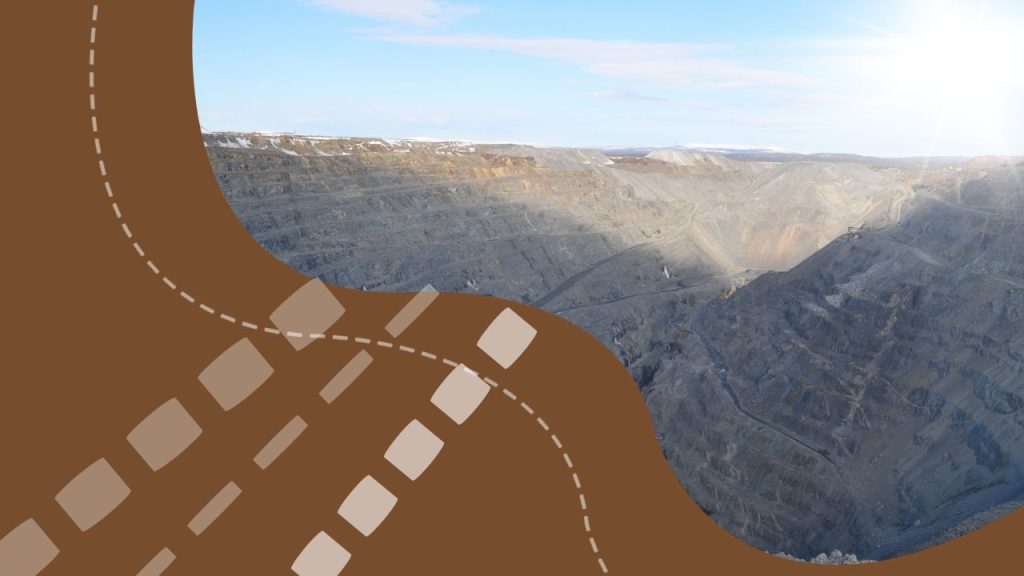
The German government expects the European Commission to give the green light “within weeks” for €1.75 billion in compensation payments to LEAG, the lignite mining and power company operating in eastern Germany. The payments form part of Germany’s broader coal phase-out plan, which aims to end coal-fired power generation by 2038 at the latest, according to the Ministry for Economic Affairs and Climate Action (BMWK).
The legislative changes needed to unlock the funds were recently approved by Germany’s coalition government. The compensation package, first agreed in 2020, had faced delays in Brussels due to differences over the timeline for the eastern German coal exit, which lags behind the 2030 phase-out already underway in western Germany.
Under the revised plan, LEAG, owned by Czech energy group EPH, will receive €377 million to reimburse earlier payments into funds for recultivation of mining areas. From 2025 to 2029, the company is set to receive €91.5 million per year in additional payments from the federal budget to support environmental restoration and social transition measures.
The compensation is part of Germany’s Coal Exit Law, which seeks to cushion the social and economic consequences of the energy transition for affected regions and workers. The government has said these payments will ensure “a fair and orderly exit from lignite power.”
LEAG may also qualify for further compensation for so-called social costs — losses related to early plant closures or infrastructure decommissioning. These payments could extend until 2042, depending on determinations by the Federal Network Agency (BNetzA) regarding lost profits or system reliability needs.
Critics have questioned the scale of the compensation, arguing that it may cover profits companies would not have earned under normal market conditions. Environmental groups have also expressed frustration that the eastern coal phase-out remains slower than in western Germany.
LEAG, which operates in Lusatia, continues to be a key regional employer and economic anchor in eastern Germany, where the coal exit is closely linked to the rollout of new gas-fired capacity to maintain energy security. Germany plans to tender up to 20 gigawatts of gas plants to support grid stability — a process delayed nearly two years and still pending EU approval.