Tag: Critical raw materials

  • European Green Metals: Unlocking Europe’s critical minerals with the Olserum rare earth element project

    European Green Metals: Unlocking Europe’s critical minerals with the Olserum rare earth element project

    It is increasingly apparent that Europe must develop its own supply chain of critical minerals to support its green energy strategy. European Green Metals Ltd (EGM) aims to help in this regard, developing a portfolio of critical minerals projects, including the Olserum rare earth element (REE) project in southern Sweden, which has the potential to be Europe’s first REE mine.

    Research suggests Europe needs to increase today’s critical minerals four-fold by 2040 for the deployment of clean energy technologies. Responsibly boosting global supply and avoiding critical mineral shortages is therefore paramount, no more so than in Europe, which has reached a critical juncture. As highlighted by European metals association Eurometaux, the next five years will decide whether the continent succeeds in recovering and growing its sustainable metals and minerals value chains, or whether other areas of the world push further ahead in the global resources race.

    European Commission President Ursula von der Leyen recognised this earlier in the year when she stated: “Lithium and rare earth elements will soon be more important than oil and gas. Our demand for rare earths alone will increase five-fold by 2030… we will identify strategic projects all along the supply chain, from extraction to refining, from processing to recycling. And we will build up strategic reserves where supply is at risk.”

    As a global hub for electric vehicles (EVs), gigafactories, wind turbines, solar, and battery storage, combined with world-class expertise in chemical industries, processing, and the refining of imported speciality metals, Europe should be in a stronger position than it is. Yet, there is a distinct lack of quality critical mineral projects on the horizon.

    Whilst there has been an absence of exploration in the region, the continent has the geological potential to host a variety of substantial critical metal deposit types. Indeed, many countries have long mining histories, including Sweden which has 12 operational mines, recognised geology, infrastructure, and supportive in-country legislation. With European economic policy at the forefront of maintaining its competitive advantages, and political support from the EU Green Transition lobby, projects such as Olserum need to be rapidly advanced through permitting.

    David Hall, CEO of EGM, said: “Critical mineral projects must be advanced quickly or we risk missing key environmental targets, which will have dire consequences on the world.”

    EGM, with its team of highly experienced geologists, scientists, and financiers, has the experience and knowledge to take projects like the Olserum rare earth element project forward. Having operated worldwide, it has successfully developed natural resource projects under coherent and encompassing mandates driven by environmental, social, and governance (ESG) principles. Its understanding of economic geology, in tandem with environmental considerations and continual stakeholder engagement, has enabled the team to advance projects from exploration through to production.

    Until recently, Hall was Chairman of Horizonte Minerals Plc – a company that has taken a Tier 1 nickel asset in Brazil from exploration through development to fully-financed construction. Other team members include the successful entrepreneur Cathal Friel, Co-Founder of Amryt Pharma Plc, which was acquired for $1.48bn in January 2023, and Michael Nolan, the former Finance Director and Founder of Cove Energy plc, which he guided through its £1.2bn sale to Thailand’s PTTEP.

    Olserum: Project of National Interest

    Since the REE mineralisation at the 6.5km2 Olserum licence (Fig. 1) was first identified in the 1990s by the Swedish Geological Survey (SGU), significant work has been undertaken at the project, resulting in the publishing of an initial 43-101 compliant Indicated Resource of 4.5Mt grading 0.6% Total Rare Earth Oxides (TREO) and an Inferred Resource of 3.3Mt grading 0.63% TREO using a 0.4% cut-off in 2013.

    location and licence area of the olserum rare earth element project
    Fig, 1: Olserum location and licence area

    The SGU designated Olserum as a project of National Interest for rare earths in May 2023. This establishes Olserum as a project of particular importance, which should hold priority over other land use where appropriate and protect it against measures that could complicate possible future extraction. The company is pleased with this recognition, even though the existing resource lies solely on commercial forestry lands well away from residential areas.

    EGM’s experienced technical team, led by consultant geologist Aiden Lavelle, relogged all the previous drill core and undertook new geological mapping, sampling, and modelling (Fig. 2). This has given the team a better understanding of the controls on the REE mineralisation, and more importantly shown the district potential for major REE mineralisation. The initial 400m strike has already been expanded, exceeding 4km. With this knowledge, the company has expanded its land position ten-fold, acquiring the ~71km2 Olserum 22 permit, which surrounds the original Olserum licence (Fig. 1). This gives EGM district-scale control of this rapidly emerging highly prospective REE region.

    geological modelling at olserum
    Fig. 2: Geological modelling at Olserum

    Work on the mineralogy and beneficiation of the ore has shown the REEs are hosted by xenotime and monazite – both REE-bearing phosphates which have well-established processing pathways. In addition, Olserum has a large contribution of the high-value critical REEs dysprosium (Dy), yttrium (Y), neodymium (Nd), terbium (Tb) and praseodymium (Pr) – a unique advantage for its ultimate development as a REE mine. The Olserum composite sample’s beneficiation flowsheet involved grinding, wet low intensity magnetic separation for magnetite removal, and a single stage of roughing and two stages of cleaning for flotation of the target phosphate minerals. The mineralisation’s strong continuity, potential for high-grade (>1% TREO) shoots, and promising recoveries using standard process routes suggest that Olserum could become Europe’s first REE mine, with its full potential yet to be determined.

    Hall said: “The excellent location and infrastructure (Fig. 3) of the Olserum deposit, along with available renewable power sources, add to our belief that this project will be a viable mining asset. We are planning infill drilling on the current resource area, to upgrade and expand the resource to Measured and Indicated status, and are undertaking further beneficiation testwork with GTK Mintek to increase recoveries from 80% to 85%. We have also started environmental baseline studies prior to drilling and will engage with and involve the local communities in our plans for the project.”

    The next steps for the Olserum rare earth element project

    The team has already initiated a defined development programme aimed at completing a bankable feasibility study to advance Olserum toward production. This is being enacted utilising EGM’s team, as well as dedicated consultants such as international consulting and engineering firm Geosyntec Consultants AB, which will undertake baseline environmental studies and deliver an Environmental Impact Assessment (EIA).

    The team is also lobbying for Olserum to be identified as a Strategic Project of European Interest, as defined in the EU Critical Raw Materials Act outlined in March 2023, to support fast-tracking the permitting process for the development of a mine. Additionally, as corporate end-users – including mineral processors, permanent magnet producers, EV battery suppliers, and automobile manufacturers – strive to ensure a stable stream of critical minerals, free from geopolitical constraints, the EGM team aims to forge partnerships with these entities through a collaborative co-development business model – one that is increasingly prevalent in the lithium sector, as highlighted by recent transactions. On a wider level, work at the new permit, Olserum 22, has yielded highly promising targets, which EGM aims to develop as it looks to deepen its understanding of the area and build a substantial REE resource inventory.

    Olserum location compared to local infrastructure
    Fig. 3: Olserum location compared to local infrastructure

    Pajala graphite potential: High-grade Swedish graphite

    EGM’s mission of developing critical mineral projects in Europe for Europe is not limited to the Olserum rare earth element project. The company also owns the Pajala graphite project in northern Sweden, discovered while working through its proprietary in-house database of available, defined areas with known graphite occurrences. Graphite, while often overlooked, is another key constituent in the energy transition, representing over 25% of the mineral component of an EV battery.

    Pajala comprises three granted concessions – Liviövaara 101, Lehtöslkä 101 and Lehtöslkä 102. Graphite in the area was initially defined in drilling by Sweden’s LKAB and, though only a few holes tested the horizon, combined with geophysics, a potential historic and non-compliant resource was outlined. The Liviövaara area has high-grade drill hole intercepts, including 4.7m grading 39.8% carbon (C) and 8.4m grading 29% C, values in line with Talga Group’s Vittangi project, which claims to be the highest-grade graphite in the world (19.4Mt grading 24% C). EGM plans to drill Pajala, aiming to twin the original holes then expand the drilling to rapidly define an initial resource. Large core will allow the company to undertake flake size distribution and purity to assess the quality of the graphite and the saleability of the product.

    Elsewhere in Europe: The Saxony opportunity

    In addition to Sweden, EGM is active in the Ore Mountains (Erzgebirge) of Saxony, Germany, which is host to multiple occurrences of critical metals, such as lithium, nickel, cobalt, gallium, germanium and indium. These metals occur in various styles of mineralisation, including veins, skarns, and lithium greisens.

    Saxony has a 1,000-year mining history and is currently experiencing advanced exploration primarily for lithium, tin, tungsten, silver, and fluorite. The area has excellent infrastructure, a year-round workable climate and respected academic institutions providing high-level access to research and staff. EGM currently has two projects: the 14km2 Eichigt licence; and the 381km2 Marienberg licence.

    The Eichigt licence, prospective for Li-Co-Ni-Mn-REE has been the focus of EGM’s exploration in 2023 and has been advanced to drill-target stage. Rock sample results identified elevated levels of multiple critical elements and mineralised structures on a NW-SE trend. 1km of strike was identified with workings continuing for a total of 1.7km, and grades were extremely promising. This included lithium up to 0.23%, cobalt up to 0.82%, and nickel up to 0.18% ppm and REE values higher than expected, the highest TREO value of 1.26% with four other samples greater than 0.5%. The next stage for EGM is to drill test this large poly-critical metals system in the heart of Europe to define its economic potential.

    The 381km2 Marienberg licence area was historically an area that produced silver and tin but is also highly prospective for critical minerals. The EGM team believe that the encountered geological signatures make it a perfect addition to its portfolio and is currently initiating an extensive evaluation programme to understand its potential.

    What does it all mean?

    Achieving the energy transition demands a vast supply of critical minerals. Companies and governments must co-operate to boost production on a massive scale, with ESG principles at the forefront of mineral development. As well as stakeholder engagement, further education of the general public is required. Miners, such as EGM, are not the destructive demons many perceive, but responsible developers of critical minerals, without which there can be no net zero.

    Projects, such as the Olserum rare earth element project, must be advanced. EGM has demonstrated the existence of critical mineral projects to progress within the European Union (EU) and others to explore and define. Industry names are eager to collaborate with EGM’s team. Now, EGM and the natural resource development sector need the backing of national and local governments to bring these promising projects to fruition.

  • UK is losing a crucial race with China for minerals used in electric cars and green energy, mining boss warns

    UK is losing a crucial race with China for minerals used in electric cars and green energy, mining boss warns

    Britain must rapidly reverse its culture of “non-existent” investment in exploration for key green energy metals on home soil or face a future of Chinese dominance in an area vital to future economic security, a mining company boss has warned.

    Galantas Gold Corporation, a Canadian company which holds exploration licences for some of the UK’s most promising geological deposits, is understood to have found a potential source of graphite, increasingly one of the world’s most sought-after materials for manufacturing electric vehicles, at a site it operates in Omagh, Northern Ireland.

    But the firm’s chief executive has fired a shot across the bows of ministers and British industry by warning that the UK and other European countries are under-investing and can no longer rely on the exploitation of resources in the developing world to deliver the critical raw materials needed for the transition to clean energy.

    The ability of the UK and allied countries to obtain their own longterm supplies of materials such as lithium or more obscure metals such as germanium, used in semiconductors, is at the core of a geo-political tussle with China in areas from electric vehicles to consumer electronics to wind power.

    Beijing is already expected to have a substantial lead in providing electric cars in the UK when a ban on new petrol and diesel cars comes into force in 2030, causing some within the Government to raise concerns about the use of those vehicles to harvest vast amounts of data about the movements of ordinary Britons.

    Galantas CEO, Mario Stifano, whose company is in the early stages of exploring metal deposits in a 217 square kilometre area of the Scottish Highlands, told  that Britain was at risk of failing to understand and successfully exploit its own resources because of a lack of interest in funding the groundwork needed to establish the exact location and quantity of what are believed to be sizable deposits of materials such as copper, vanadium, zinc and gold.

    In contrast to mining superpowers such as Australia and Canada, where large sums are spent to gain as full a picture as possible of unexploited deposits prior to mining, he said investors in the UK and other European countries tend to be interested only in mining projects which are close to going into production and otherwise tend to prioritise “buying shares in a Unilever or a Glaxo”.

    Mr Stifano said: “The amount of exploration that has occurred in Canada and the US looking for minerals is hundreds if not thousands of multiples more than what has been spent in the UK.

    “What is lacking is support for exploration companies in order to build knowledge about these kinds of deposits so they can get into production. We need zinc, copper, cobalt, lithium, graphite and so on. It’s all over Europe [and] a lot of it is in the United Kingdom and we think we know where a lot of that is.

    “Really what’s lacking is the ability to raise the funds to go and look for it. Funding for exploration in Europe is next to non-existent and yet it has some of the best geology in the world.”

    A number of companies in Cornwall have advanced projects aimed at extracting lithium from the region’s granite and clay beds with the aim of meeting demand from manufacturers including Tata Group’s new £4bn battery “giga factory” to be built in Somerset. But despite the release earlier this year of a study by the British Geological Survey pinpointing eight areas of the UK which have the right geology to yield 17 of the 18 metals identified by the Government as critical to economic stability, industry sources say there is a dearth of exploration activity.

    Mr Stifano pointed to the existence of tax-deductible exploration investment schemes in Canada as a potential way to kickstart projects in Britain, adding that public funding may be needed to spark wider interest in a sector where China, which recently announced export restrictions on germanium, is taking an increasingly muscular stance.

    He said: “In the early days, you may need something like [public funding] because the culture is lacking. In Canada, people talk about discoveries and opportunities and mining. You go to Europe or the UK and it’s not part of the natural culture – people would much rather invest in a Unilever or a Glaxo or any of the big companies.

    “China is slowly going to be putting more and more export restrictions on critical metals and it is going to put a lot of pressure on the Western world because we stopped looking for those same metals.”

    The mining executive highlighted the fact that it has taken Galantas two years to obtain permission to drill one-inch diametre core samples at its Omagh site – a permitting process that would generally take a month in Canada or Australia – as an example of the logistical and procedural difficulties facing the exploration industry in the UK. Environmental groups have previously raised concerns about the impact of drilling near water sources and aquifers.

    Mr Stifano said he recognised the need for any mining company to act sustainably and responsibly but added he believes it is “no longer fair” for Western countries to source their materials from “poor countries with no regulation” and they should instead focus strongly on building homegrown industries.

    He said: “What I am trying to push at is the minerals industry needs support in the early stages. If we are going to move to electric vehicles and clean energies we have to find these critical metals, or they are all going to come from China.”

    The Government said it was supporting Britain’s critical minerals industry following the unveiling last year of a national strategy to grow domestic capabilities and announcement this week of a £24m investment in Cornish Lithium. In a statement, the Department of Business and Trade said: “Government continues to work with industry and finance communities to support private sector investment in critical mineral projects along the value chain.”

  • Explained: The EU’s handicap in the global race for critical raw materials

    Explained: The EU’s handicap in the global race for critical raw materials

    The EU is highly dependent on third countries for the raw materials needed to engineer its energy transition and digital transformation.

    Russia’s war in Ukraine and the need to wean itself off fossil fuels in order to reach climate targets have prompted the EU to accelerate its green transition in recent months but also forced it to acknowledge its dependencies over access to critical raw materials.

    In the global race for raw materials, the EU faces multiple challenges.

    The first one is China, which recently started restricting exports of gallium and germanium, two metals essential for the production of semiconductors, in response to Western curbs on Beijing’s access to micro-processing technology.

    The EU considers both materials of high strategic importance. As well as semiconductors and other electronic devices, they are used for military applications such as missile defence and radar systems.

    Beijing’s restrictions come as a stark warning as the EU attempts to diversify and boost domestic supply of raw materials to reduce dependency on third countries.

    Reliance on ‘low-governance’ countries

    But diversifying supply chains could mean the EU has to source these materials from countries that don’t adhere to the same standards.

    Recent data suggests the EU’s supply is highly dependent on countries that have a low governance level, based on indicators including political stability, rule of law and corruption control.

    The EU’s Critical Raw Materials Act (CRMA), adopted in March this year, stipulates that EU strategic projects to scale up supply must be assessed taking into account all aspects of sustainability, including environmental protection, socially responsible practices and respect for human rights such as the rights of women.

    But many countries feeding EU supply are not aligned with European values. This raises concerns about the impact on the local communities where materials are mined, as well as the potential exploitation of natural resources.

    For example, the Democratic Republic of Congo, whose governance indicators are among the lowest in the world, supplies 63% of the EU’s cobalt, which is essential for manufacturing batteries for electrical vehicles.

    Diversifying supply a challenge

    The EU is also highly dependent on single countries for key materials such as Magnesium (China, 97%), Lithium (Chile, 97%), Iridium (South Africa, 93%) and Niobium (Brazil, 92%). These dependencies make supply chains vulnerable.

    The Critical Raw Materials Act aims to ensure no third country provides more than 65% of the Union’s annual consumption of any raw material.

    But diversifying supply is complex when refineries of many essential materials are monopolised by one or more global powers. China dominates the refining market for many critical raw materials.

    Russia’s invasion of Ukraine and the ensuing energy crisis has shown the acute dangers of over-reliance for supplies of raw materials. China’s increasingly antagonistic stance and the political instability in many African countries have also served as reminders of the fragility of the EU’s trading relationships.

    A spiralling global demand

    The demand for raw materials is growing steeply, as developed countries race to digitalise and decarbonise their economies. This can only happen with sufficient supply of raw materials, meaning countries must scale up extracting, refining and recycling operations.

    The global demand for lithium, for example, is set to increase a staggering 89-fold by 2050, according to the European Commission. Demand for gallium will multiply 17-fold during the same time.

    The Critical Raw Materials Act sets targets for the Union to extract 10%, process 40% and recycle 15% of its annual consumption of raw materials by 2030.

    To meet these targets and compete on the global stage, European Commission President Ursula von der Leyen has said the EU needs to speed up investments in research and development, recognising that the bloc’s global share of R&D expenditure has fallen 10% in the last 20 years.

  • Mineral-rich African states to explore new markets after EU changes its buying rules

    Mineral-rich African states to explore new markets after EU changes its buying rules

    The European Union, the world’s largest single market, has introduced new measures to reduce their “dependency” on mineral imports from outside the bloc.

    The European Council adopted the Critical Raw Materials Act on June 30, a regulation that seeks to utilise the bloc’s Common Market and partnerships to “diversify critical raw material supply chains, which currently rely on imports from a handful of third countries.”

    A spokesperson of the European Commission told The EastAfrican that the bloc has taken this route because of the lessons they have learnt from the recent supply-chain disruptions that significantly impacted their supply and consequently costs of products associated with the raw materials.

    “The urgency of such measures is made clear by the recent Covid-related supply disruptions, Russia’s war of aggression in Ukraine, disrupting, for example, nickel and titanium markets, and the Chinese export restrictions on gallium and germanium introduced last week,” the spokesperson said.

    Under the new regulations, EU will source up to 65 percent of its annual consumption of critical and strategic raw materials from within the bloc, dealing a blow to countries in the region that have been exporting to the region.

    At least 10 percent of the minerals used in the bloc will now be extracted from countries in the union, 40 percent will come from processing, and 15 percent will come from domestic recycling of the critical and strategic minerals.

    According to the spokesperson, domestic extraction of the minerals in the EU has been low due to a number of factors, including “long permitting procedures, local opposition, high energy costs, high labour costs, and high costs of regulatory compliance.”

    The Act now seeks to address most of these hurdles.

    “By prioritising strategic projects and setting binding timelines, domestic extraction projects should be approved more quickly; by requiring companies to engage with local communities, social acceptance should be improved, and by promoting supply diversification by private businesses, EU projects should be able to become competitive despite higher production costs,” the spokesperson told The EastAfrican.

    The Act also seeks to spur recycling of the critical raw materials by addressing the key barriers to that, which include the lack of awareness by users on when recyclable products have come to their end of life and higher costs associated with products made from recycled raw materials.

    Ebba Busch, Minister for Energy, Business, and Industry of Sweden – the current President of the EU – said with the Act, the EU will gain the much-needed freedom in the exploration and supply of critical raw materials and will no longer have to depend on any countries outside the bloc.

    “When it comes to raw materials, Europe’s destiny is mainly in the hands of a few third countries,” she said.

    “With the Raw Materials Act, we want to recover our autonomy in a truly European way: extracting our minerals sustainably; recycling as much as we can and working in partnership with like-minded third countries to promote their development and sustainability, while ensuring our supply chains.”

    Critical to manufacturing

    The list of 34 critical and 17 strategic raw materials that will be affected by the new regulations includes copper, cobalt, titanium, manganese, natural graphite, platinum group metals, nickel, tantalum, vanadium and niobium.

    The minerals are crucial in the manufacture of electric vehicles’ batteries, wind turbines, solar photovoltaic systems, aircraft and spacecraft parts, laptop and mobile phone parts.

    They are crucial export commodities, providing foreign exchange needed for importation of other goods and services and debt repayment, and source of employment for millions of people in the region.

    In the Democratic Republic of Congo, copper and cobalt and their related products account for about 93 percent of their annual exports, majority of which goes to China and Europe, making the extractive sector the primary source of foreign exchange in the country.

    According to the World Bank, DRC’s exports to Europe stood at $992,105 in 2020, coming after the country’s exports to Sub-Saharan Africa and East Asia, where China – Kinshasa’s largest export market – is.

    With about half a million people in the DRC directly employed in the mining industry, the loss of the European market as an export destination could lead to massive job losses, in addition to a drop in forex, which is crucial for imports.

    Tanzania also earns a significant amount of foreign exchange from these raw materials and has the European Union as a key export market. World Bank estimates that Dar’s exports of minerals, excluding gold, silver and diamond, amounted to $562,735 in 2020, making it their third-leading export.

    Some of the minerals Tanzania exports include nickel, graphite, coal, and uranium, which have also been affected by the new regulations. Data firm Statista estimates that Dar’s mining sector employs some 310,000 people, who might be affected by the EU move.

    Ambitious goals

    As Europe is Dar’s second largest export market after Sub-Saharan Africa, the plan to reduce mineral imports from outside the bloc could significantly affect their foreign exchange earnings.

    Kenya might also be affected by the changes, should they trickle down to African mineral exporters. Minerals and metals account for about 8.9 percent of Kenya’s exports, with the main one being titanium ores, which contributed $156,804 of foreign exchange in 2020, according to the World Bank.

    Rwanda and Burundi may also be significantly affected by the EU’s change in regulations, as mineral exports account for about 12 percent of their individual total exports. Kigali and Bujumbura are exporters of niobium, tantalum and vanadium ores.

    In Uganda, the mining sector, other than gold mining, is a small performer, accounting for just about 4.5 percent of exports, having brought in $185,238 in 2020, based on World Bank’s statistics.

    Patrick Kanyoro, Chairman of the Kenya Chamber of Mines, a Nairobi-based lobby group for the mining sector, however, believes that the new regulations in Europe will not have a “serious impact” on the revenues from Africa’s extractive industry and on jobs in the sector.

    Continental free trade

    “I do not think this will have any major impact on mining in Africa in the next ten years. Even if they reduce their demand, we will still have other markets, particularly under the Africa Continental Free Trade Area,” Dr Kanyoro told The EastAfrican.

    According to him, the plan to source at least 15 percent of critical minerals used in Europe from recycling is “quite ambitious” and may not be met in the next ten years, hence they will continue relying on raw materials imported from other countries.

    Besides spurring intra-African trade, Dr Kanyoro says should EU’s demand for African minerals fall as projected, it will also encourage industrialisation on the continent, to have the raw materials processed here, which will still be a win for Africa and will safeguard jobs.

    “The truth is, the EU is not buying much of our minerals, but even if that were to drop, we will focus on selling to Asia and on industrialising our countries and we will still be good to go regardless,” he said.

    China is currently the leading buyer of African minerals and most of the manufacturing in the Asian economic giant relies on raw materials drawn from the DRC and other African countries.

    In most mineral-rich African countries, Beijing is among the leading single country export market, if not the leading, as is the case in Kinshasa.

  • Reluctance to mine puts Europe’s energy transition at risk

    Reluctance to mine puts Europe’s energy transition at risk

    Europe has been effective in driving sector trends necessary for the energy transition through strong investment, target setting and policy employment. Prime examples include the ‘Fit for 55’ deal in electric vehicles (EV), the Renewable Energy Directive and European Green Deal in renewable power. Such policies and strategies have instigated governments to set their own strategies to meet or exceed EU targets as a result.

    Efforts to source and refine CRMs on European soil need to be a focus

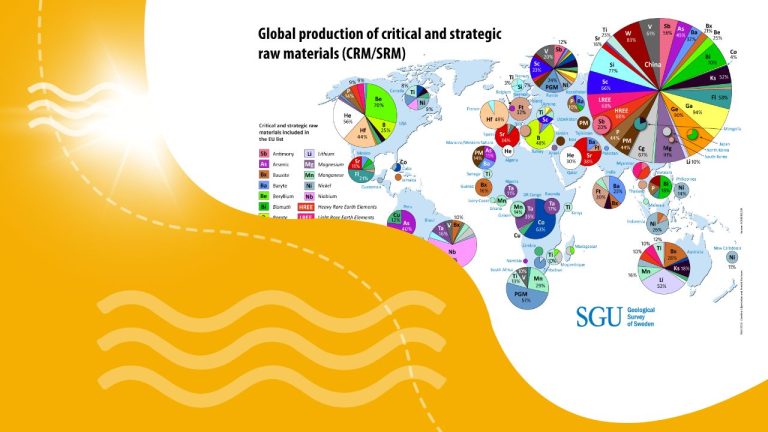
    Whilst these are arguably the most crucial sectors to tackle, Europe’s progress in these sectors is heavily reliant on the supply of critical raw materials (CRMs) which are largely sourced and refined abroad over geographically restricted areas. For example, the Democratic Republic of the Congo mines more than 70% of the world’s cobalt, and China is unchallenged in its dominance over rare earth element (REE) production – in addition to its worldwide dominance in processing for a whole suite of CRMs.

    Consequently, Europe’s ability to deliver an Energy Transition is potentially vulnerable to geopolitical tensions and supply chain volatility in these regions, not to mention the potential for shortages in these CRMs, which will occur without significant upscaling in mining.

    Map of primary material production.

    Europe is a leader in the renewable power and electric vehicle rollout, but for how long?

    Europe’s accelerated investment towards net-zero targets is predicted by GlobalData to drive continued growth in renewable power generation over the next decade. Still, power generation is Europe’s largest source of emissions despite an 18% reduction in associated emissions being achieved from 2010-2017, as well as a reduction of 10% in overall emissions in the continent.

    Strict EU targets have been implemented in line with the UN Paris Agreement and as part of the established campaign, ‘Europe Beyond Fossil Fuels’. Incentivisation for renewable energy development, the decommissioning of fossil fuel power plants, and a fall in the cost of renewable power production should continue the increasing renewable power generation share from 51% in 2022 to almost 75% by 2035.

    This is expected to largely be achieved by increasing wind and solar generation capacity, the largest players in each being Orsted (wind), and Iberdrola SA (both), with pipeline capacities of over 35GW each.

    The other sector in which Europe is leading the way in terms of development is EVs. Strong EU and government targets, funding, and policies have guided the phasing out of internal combustion engine vehicles and resulted in a tripling of EV registrations in 2020 from 2019 (right car registrations).

    Lawmakers have endorsed a 55% reduction in automobile emissions by 2030 when compared to 2021. Development of charging infrastructure that facilitates the increase in EVs on roads has been encouraged by subsidies, and major companies are now involved with EV rollout in Europe including Volkswagen, Tesla, and Stellantis.

    Can Europe source its own minerals?

    Progress in the power and EV sectors demands a need for Lithium, Cobalt, REEs, and other CRMs, thereby increasing the need to upscale the production of these resources within the EU. The slow response by Europe to source and refine such resources locally has only been recognised recently. According to the UK government, as of November 2022, 89% of lithium processing occurred in East Asia, and no lithium refineries existed in Europe.

    Recently the UK government provided a £600,000 grant to Green Lithium to open a refinery in Teesside. Considering that lithium is crucial to both the power and EV sectors and is not particularly scarce, more European governments should follow suit. Similarly, the geology of Europe may be favourable for novel sources of cobalt (Horn et al 2021), with a 2018 EU report on cobalt highlighting that existing nickel mines on the continent could provide up to half the cobalt necessary for European lithium-ion battery plants.

    Only as recently as March this year, the European Commission released its Critical Raw Materials Act, permitting reduced timeframes for mining projects and setting clear priorities to futureproof Europe’s supply chains. This comes after the US Inflation Reduction Act with similar aims, illustrating the recent trend towards regionalised supply chains as powers recognise the need to escape dependency on China’s mineral monopolies. China’s recent restrictions on its exports in gallium and germanium highlight the risks of such dependency.

    Whilst the CRMs Act is a step in the right direction, the timeline for prospecting and setting up an operational mine is around a decade, and in addition to Europe’s reluctancy to harm the environment through mining, it might be too little and too late to meet energy transition demand for CRMs – putting Europe’s strong growth thus far in key energy transition sectors at severe risk.

  • Europe’s green dilemma: Mining key minerals without destroying nature

    Europe’s green dilemma: Mining key minerals without destroying nature

    [vc_section][vc_row][vc_column width=”1/6″][/vc_column][vc_column width=”1/2″][vc_row_inner][vc_column_inner][vc_empty_space][vc_column_text]

    Conservationists are spooked by Brussels’ plans to ramp up mining of critical raw materials, but advocates say it’s needed to hit the bloc’s green goals.

    [/vc_column_text][/vc_column_inner][/vc_row_inner][vc_empty_space height=”10px”][vc_row_inner][vc_column_inner width=”2/3″][widget-SocialWidget][/vc_column_inner][vc_column_inner width=”1/3″][link url=”https://www.politico.eu/article/europes-green-dilemma-mining-key-minerals-without-destroying-nature/” content_text=”News source”][/vc_column_inner][/vc_row_inner][vc_empty_space][vc_column_text]For decades, the environmental and human cost of mining minerals like lithium and cobalt has largely been hidden from Europe’s view. That’s about to change.

    As the EU looks to diversify its supply of critical raw materials away from China, it wants to make it easier to tap into domestic reserves of the minerals it needs to build green technology like wind turbines and solar panels.

    But locals and green campaigners warn that slashing red tape for extraction projects risks taking a wrecking ball to decades of work to preserve nature and biodiversity, pointing out that mining can cause serious water and soil pollution and lead to deforestation and biodiversity loss.

    In Tréguennec, a coastal area in Brittany in northwestern France, locals are living above what they say feels like a time bomb. Some 130 meters below their homes lies the country’s second-largest deposit of lithium, a key component of the batteries used to power electric cars.

    Mining that so-called “white gold” would involve digging up a protected nature reserve located on a migratory route for birds and destroying “something that took millions of years to create,” said Philippe Spetz, a 69-year-old pensioner who lives in Tréguennec. “We will never get nature back,” he warned.

    No company has applied to extract the resource yet. At the time, Bérangère Abba, who was then France’s junior minister for biodiversity, promised to “strike a balance” between protecting nature and mineral extraction. But locals and green groups worry the scales won’t tip in their favor.

    This clash between Europe’s appetite for critical raw materials and its nature protection ambitions — already playing out across the Continent, with local protests against new mining projects in PortugalGermanySweden and Spain — is only set to intensify after Brussels next week sets out new legislation to accelerate mining activities.

    An undated draft of the rules, obtained by POLITICO, suggests the European Commission may allow strategic mining plans to be designated as so-called projects of overriding public interest, which would give them priority in the event of conflicts with other EU legislation, for example with species conservation law.

    That echoes calls from industry groups, backed by liberal and conservative lawmakers, who argue that Europe can’t boost its supplies of key minerals without softening stringent environmental requirements that make opening new mines a major bureaucratic headache.

    “I think that the way that we mine in Europe is probably … one of the best ones in the world. But we don’t get permitted to do mining,” said Mikael Staffas, CEO and president of Swedish mining firm Boliden. He added that Europe “happily [imports] metals from other parts of the world” that mine with far lower environmental standards.

    But environmentalists and indigenous groups argue that the EU’s nature protection rules are a necessary safeguard, and that destroying local biodiversity in a quest to secure materials to become climate neutral would be counterproductive.

    “We’re talking about this green transition. For me, it’s not green, it is black, because it’s going to destroy the rest of the nature that we have left,” said Matti Blind Berg, who heads the National Confederation of the Swedish Sami. His community in the northern town of Kiruna has been fighting the expansion of the world’s largest iron-ore mine, which he argues has displaced locals and threatens their ability to herd reindeer.

    Faster drilling

    Getting the green light for a new mining project in Europe can take up to 15 years — something the EU wants to fix in its Critical Raw Materials Act.

    According to the draft, the Commission will allow mining projects designated as strategic to benefit from permitting deadlines of two years, with the aim of putting the bloc on track to lessen its dependency on imports more quickly.

    While the EU can’t supply all of the raw materials it needs, its most important lithium projects, for example, could satisfy 25 percent to 35 percent of Europe’s demand by the end of the decade, according to Michael Schmidt, a research associate at the German Mineral Resources Agency. Currently, some 78 percent of the bloc’s lithium comes from Chile.

    Mining companies have long argued that permitting can only be sped up if the EU also agrees to relax some environmental rules.

    The EU’s water laws, for example, require companies to pass “very high thresholds,” such as “zero emissions to water,” which is “quite difficult to do,” said Kerstin Brinnen, legal counsel at LKAB, a government-owned Swedish mining company.

    Mining projects in protected areas, while allowed, also need to undergo an additional impact assessment to show they won’t harm the integrity of the site.

    The industry has taken steps to minimize its environmental impact and compensate for damage to biodiversity, said Brinnen. But despite those efforts, “some kind of impact on the surrounding” area is “unavoidable.”

    Treating mining activities as projects of overriding public interest would solve a number of those issues, she said. Industry bodies Eurometaux and Euromines have called for similar measures.

    Because a majority of the bloc’s known reserves of critical raw materials are located in or near protected areas, the EU will have to make concessions to nature protection if it wants to exploit them, industry leaders say.

    “Mining cannot be moved,” said Boliden CEO Staffas. “So unless you’re willing to kind of accept that, then the whole Critical Raw Materials Act will not really make any difference” because it won’t in fact make it any easier to start new mining projects.

    That argument is getting traction among some liberal and conservative lawmakers in the European Parliament.

    “We keep expanding protected areas, and we can’t afford that anymore right now,” said Hildegard Bentele, an MEP with the conservative European People’s Party.

    Speaking during a plenary debate last month, MEP Emma Wiesner of the Renew Europe group said: “We can’t on the one hand say we want more raw materials and minerals. And then on the other hand, go regulate so it’s impossible to open a new mine in Europe.”

    Protecting biodiversity

    Conservationists insist the EU’s nature laws are there for a reason.

    “Especially in light of the climate crisis and the high rate of biodiversity loss, the priority cannot simply be: more mining, more mining,” said Michael Reckordt, section head for raw materials at the NGO PowerShift.

    Green groups have long fought against the expansion of mining in Europe, favoring efforts to reduce consumption and source raw materials through other means, including by recycling and developing alternative materials.

    In light of Brussels’ new plan, they’re now calling for EU nature laws to be upheld.

    “If mining was really green, then [following existing environmental] legislation shouldn’t be an issue” for the industry, said Diego Marin, policy officer for raw materials and resource justice at the European Environmental Bureau, an NGO.

    But campaigners are pessimistic about their concerns being heard. Their call for an explicit ban on mining activities in the bloc’s Natura 2000 network of protected areas so far only has the backing of one group — the Greens.

    NGOs lament that the Commission has tasked its internal market department, rather than the environment department, with leading work on its Critical Raw Materials Act.

    “I would like to see much more engagement from DG Environment in this file,” said Marin. “For the time being they have let DG GROW pretty much just take it on.”

    The fear is that the focus of the legislation will be on ramping up raw material supply at all costs, rather than limiting the impact of mining on the environment.

    Asked about his department’s input, Environment Commissioner Virginijus Sinkevičius told POLITICO in a written statement he is “actively engaged in drafting the proposal” and primarily focused on ensuring that raw materials are recycled as much as possible — both to “secure the supply” and “save energy.” The internal market department declined to comment.

    NGOs and experts warn that the Commission is shooting itself in the foot if it ignores the environmental concerns being raised in places like Tréguennec, where residents have vowed to protest any new mining projects, potentially derailing the EU’s goals.

    “I think we have to be looking much more squarely at the longer term impacts” of mining projects on communities, warned Julie Klinger, an assistant geography professor at the University of Delaware.

    “If we don’t actually take proper care at the outset, then this idea of Europe becoming a climate-neutral continent through provisioning its own critical raw materials is … sort of doomed from the outset.”

    CORRECTION: This article has been updated to correct that Bérangère Abba is France’s former junior minister for biodiversity.[/vc_column_text][vc_empty_space][epic_post_tag compatible_column_notice=”” font_size=”17px”][/vc_column][vc_column width=”1/6″][vc_text_separator title=”LATEST NEWS” color=”juicy_pink”][vc_empty_space height=”10px”][widget-LatestPosts post_number=”4″][vc_empty_space height=”10px”][vc_text_separator title=”MOST POPULAR” color=”juicy_pink”][vc_empty_space height=”10px”][widget-popular-posts post_count=”4″][vc_empty_space][vc_wp_search title=”Search”][vc_empty_space][lvs display_like=””][/vc_column][vc_column width=”1/6″][/vc_column][/vc_row][/vc_section][vc_section][vc_row][vc_column][distance desktop_type=”50″][/vc_column][/vc_row][vc_row][vc_column width=”1/2″][epic_block_28 compatible_column_notice=”” number_post=”6″ post_offset=”0″ first_title=”You may also like”][/epic_block_28][vc_empty_space][/vc_column][vc_column width=”1/2″][epic_hero_5 compatible_column_notice=”” hero_margin=”0″ content_filter_number_alert=”” post_offset=”0″][/vc_column][/vc_row][/vc_section]

  • Italy vows to jump-start mining renaissance by year’s end

    Italy vows to jump-start mining renaissance by year’s end

    [vc_section][vc_row][vc_column width=”1/6″][/vc_column][vc_column width=”1/2″][vc_row_inner][vc_column_inner][vc_empty_space][vc_column_text]

    Enterprise Minister Urso recalled that the Italian underground holds 16 of the EU’s 34 “critical” raw materials, and promised that the legal and geographic framework that will allow the resurgence of Italy’s mining sector “will be clear” by the end of 2023

    [/vc_column_text][/vc_column_inner][/vc_row_inner][vc_empty_space][vc_separator][vc_empty_space height=”10px”][vc_row_inner][vc_column_inner width=”2/3″][widget-SocialWidget][/vc_column_inner][vc_column_inner width=”1/3″][link url=”https://decode39.com/7302/italy-mining-renaissance-2023/#:~:text=Italy%20pushes%20forward%20mines%20re,country’s%20ageing%20mineral%20resource%20maps.” content_text=”News source”][/vc_column_inner][/vc_row_inner][vc_empty_space][vc_column_text]Italy pushes forward mines re-opening effort. Back in April, Enterprise Minister Adolfo Urso announced that Rome was updating the country’s ageing mineral resource maps. On Thursday, he indicated that the companies who want to take part in resurrecting the Italian mining and refining industry “will be able to present their projects” as early as late 2023.

    • “I think that by the end of the year, the whole picture will be clear: European regulations, Italian regulations, and the potential of our territory,” he explained, referring to the extraction and processing of critical raw materials in Europe.

    Hidden, transition-relevant riches. When it unveiled its Critical Raw Materials Act, which seeks to boost the EU’s in-house production and de-risk from monopolistic suppliers (namely, China), the European Commission identified 34 critical raw materials. As Minister Urso underscored, 16 can be found in the Italian underground – in mines “that were closed 30 years ago” and that the country must now re-open and invest in to “re-activate their potential.”

    • The Italian earth houses reserves of lithium, cobalt, nickel, copper and zinc, as well as beryllium and tungsten, which are required across the greentech and digital sectors.
    • Resuming their extraction and processing is conducive to reaching the EU’s goal of producing at least 10% of the CRMs it consumes by 2030.

    It’s bigger than Italy. Today, the supply chain of such materials is firmly in Chinese hands, which gives Beijing the leverage to threaten Europe’s ecological and digital transitions. Last week, the Chinese Communist Party announced restrictions on the export of two key metals, gallium and germanium, in a warning shot to the countries that are curbing its access to other products – such as semiconductors – the country requires for its tech autonomy ambitions.

    • “We have just realised how dangerous it is to rely on Russian fossil sources. We cannot do the same with China on rare earths and precious minerals,” as Minister Urso remarked back in April – especially given Beijing’s “expansionist policy,” which entails “the acquisitions of [CRM] deposits, mainly in Africa, and then concentrating processing at home.”

    A concerted effort. In late June, Minister Urso launched a structural cooperation with his French and German counterparts to coordinate the three countries’ approaches to sourcing CRMs. The trio, representing nearly half of the EU’s GDP, vowed to expand data exchange practices and cooperation in the fields of minerals extraction, refining, processing, recycling and ESG standards while keeping the industries looped in, to work on a green transition that may cater to their needs and ultimately foster the emergence of European industrial champions.[/vc_column_text][vc_empty_space][epic_post_tag compatible_column_notice=”” font_size=”17px”][/vc_column][vc_column width=”1/6″][vc_text_separator title=”LATEST NEWS” color=”juicy_pink”][vc_empty_space height=”10px”][widget-LatestPosts post_number=”4″][vc_empty_space height=”10px”][vc_text_separator title=”MOST POPULAR” color=”juicy_pink”][vc_empty_space height=”10px”][widget-popular-posts post_count=”4″][vc_empty_space][vc_wp_search title=”Search”][vc_empty_space][lvs display_like=””][/vc_column][vc_column width=”1/6″][/vc_column][/vc_row][/vc_section][vc_section][vc_row][vc_column][distance desktop_type=”50″][/vc_column][/vc_row][vc_row][vc_column width=”1/2″][epic_block_28 compatible_column_notice=”” number_post=”6″ post_offset=”0″ first_title=”You may also like”][/epic_block_28][vc_empty_space][/vc_column][vc_column width=”1/2″][epic_hero_5 compatible_column_notice=”” hero_margin=”0″ content_filter_number_alert=”” post_offset=”0″][/vc_column][/vc_row][/vc_section][vc_section][vc_row][vc_column width=”1/6″][/vc_column][vc_column width=”1/2″][vc_row_inner][vc_column_inner][vc_empty_space][vc_column_text]

    Enterprise Minister Urso recalled that the Italian underground holds 16 of the EU’s 34 “critical” raw materials, and promised that the legal and geographic framework that will allow the resurgence of Italy’s mining sector “will be clear” by the end of 2023

    [/vc_column_text][/vc_column_inner][/vc_row_inner][vc_empty_space][vc_separator][vc_empty_space height=”10px”][vc_row_inner][vc_column_inner width=”2/3″][widget-SocialWidget][/vc_column_inner][vc_column_inner width=”1/3″][link url=”https://decode39.com/7302/italy-mining-renaissance-2023/#:~:text=Italy%20pushes%20forward%20mines%20re,country’s%20ageing%20mineral%20resource%20maps.” content_text=”News source”][/vc_column_inner][/vc_row_inner][vc_empty_space][vc_column_text]Italy pushes forward mines re-opening effort. Back in April, Enterprise Minister Adolfo Urso announced that Rome was updating the country’s ageing mineral resource maps. On Thursday, he indicated that the companies who want to take part in resurrecting the Italian mining and refining industry “will be able to present their projects” as early as late 2023.

    • “I think that by the end of the year, the whole picture will be clear: European regulations, Italian regulations, and the potential of our territory,” he explained, referring to the extraction and processing of critical raw materials in Europe.

    Hidden, transition-relevant riches. When it unveiled its Critical Raw Materials Act, which seeks to boost the EU’s in-house production and de-risk from monopolistic suppliers (namely, China), the European Commission identified 34 critical raw materials. As Minister Urso underscored, 16 can be found in the Italian underground – in mines “that were closed 30 years ago” and that the country must now re-open and invest in to “re-activate their potential.”

    • The Italian earth houses reserves of lithium, cobalt, nickel, copper and zinc, as well as beryllium and tungsten, which are required across the greentech and digital sectors.
    • Resuming their extraction and processing is conducive to reaching the EU’s goal of producing at least 10% of the CRMs it consumes by 2030.

    It’s bigger than Italy. Today, the supply chain of such materials is firmly in Chinese hands, which gives Beijing the leverage to threaten Europe’s ecological and digital transitions. Last week, the Chinese Communist Party announced restrictions on the export of two key metals, gallium and germanium, in a warning shot to the countries that are curbing its access to other products – such as semiconductors – the country requires for its tech autonomy ambitions.

    • “We have just realised how dangerous it is to rely on Russian fossil sources. We cannot do the same with China on rare earths and precious minerals,” as Minister Urso remarked back in April – especially given Beijing’s “expansionist policy,” which entails “the acquisitions of [CRM] deposits, mainly in Africa, and then concentrating processing at home.”

    A concerted effort. In late June, Minister Urso launched a structural cooperation with his French and German counterparts to coordinate the three countries’ approaches to sourcing CRMs. The trio, representing nearly half of the EU’s GDP, vowed to expand data exchange practices and cooperation in the fields of minerals extraction, refining, processing, recycling and ESG standards while keeping the industries looped in, to work on a green transition that may cater to their needs and ultimately foster the emergence of European industrial champions.[/vc_column_text][vc_empty_space][epic_post_tag compatible_column_notice=”” font_size=”17px”][/vc_column][vc_column width=”1/6″][vc_text_separator title=”LATEST NEWS” color=”juicy_pink”][vc_empty_space height=”10px”][widget-LatestPosts post_number=”4″][vc_empty_space height=”10px”][vc_text_separator title=”MOST POPULAR” color=”juicy_pink”][vc_empty_space height=”10px”][widget-popular-posts post_count=”4″][vc_empty_space][vc_wp_search title=”Search”][vc_empty_space][lvs display_like=””][/vc_column][vc_column width=”1/6″][/vc_column][/vc_row][/vc_section][vc_section][vc_row][vc_column][distance desktop_type=”50″][/vc_column][/vc_row][vc_row][vc_column width=”1/2″][epic_block_28 compatible_column_notice=”” number_post=”6″ post_offset=”0″ first_title=”You may also like”][/epic_block_28][vc_empty_space][/vc_column][vc_column width=”1/2″][epic_hero_5 compatible_column_notice=”” hero_margin=”0″ content_filter_number_alert=”” post_offset=”0″][/vc_column][/vc_row][/vc_section]

  • Australia wants more from the EU in exchange for its minerals

    Australia wants more from the EU in exchange for its minerals

    [vc_section][vc_row][vc_column][distance desktop_type=”30″][lvs][distance desktop_type=”30″][vc_btn title=”Source – euractiv.com” color=”sky” i_type=”material” i_icon_material=”vc-material vc-material-perm_device_information” add_icon=”true” link=”url:https%3A%2F%2Fwww.euractiv.com%2Fsection%2Feconomy-jobs%2Fnews%2Faustralia-wants-more-from-the-eu-in-exchange-for-its-minerals%2F|target:_blank”][distance desktop_type=”30″][vc_column_text]Negotiations for a free trade agreement (FTA) between the EU and Australia are stalling as Australia wants to leverage its wealth in critical raw materials to get more market access for its meat and sugar industry.

    On Tuesday (11 July), Australian Trade Minister Don Farrell broke off what many hoped to be the final round of negotiations for an FTA between Australia and the EU. Having travelled to Brussels on short notice, Farrell was left unimpressed by the EU’s market access offers for Australian beef, sheepmeat, and sugar producers.

    “We’ve made it very clear right from the start that we won’t simply accept any agreement,” he told journalists on Tuesday afternoon.

    An EU Commission spokesperson said the EU executive regrets that “it was not possible to conclude our talks with Australia this week,” arguing that the EU had “made every effort to arrive at a balanced agreement that meets our mutual strategic interests, while also protecting the interests of our stakeholders”.

    EURACTIV understands that the EU presented Australia with a new market access offer that the Australian trade minister could not accept without first consulting with his colleagues in Canberra.

    “We note there were several issues on which the Australian side required further internal consultations,” the Commission spokesperson said.

    Both parties agreed to keep negotiating in the hope of getting towards an agreement before the end of the year.

    Collaborate in critical raw materials

    While the EU just signed an FTA with New Zealand, Australia seems to be a tougher nut to crack. It is not only the Australian economy that is more than six times larger than New Zealand’s, Australia also has something that the EU desperately needs: critical raw materials.

    In its vast and sparsely inhabited territory, Australia finds most of the materials that will be crucial to transition the world economy towards a greener model.

    For example, Australia is the world leader in lithium extraction, producing more than the world number two (Chile) and three (China) combined, according to the United States Geological Survey.

    Although Australia has started to scale up its lithium refining capacities, most of the lithium still goes to China for processing. China currently accounts for about 60% of lithium processing capabilities.

    As both the EU and Australia have professed their intention to “de-risk” and diversify their supply chains away from China, the opportunity for collaboration seems clear.

    “If [the Europeans] want to do what we want to do, which is diversify our trading relationships, then Australia is the perfect country to do it with,” the Australian trade minister said on Tuesday.

    But the details are difficult.

    Double pricing: Industrial policy vs free trade

    For example, the EU would like to have access to Australian raw materials under the same conditions as Australian consumers. It wants Australia to commit to a policy that would prohibit so-called double pricing that disadvantages EU companies compared to Australian ones.

    One of these policies is the regional government of Western Australia’s policy of reserving 15% of liquified natural gas production from each LNG export project for the domestic market, which reduces prices for domestic gas consumers.

    The EU’s push for Australia to refrain from such policies is understandable from a European perspective, especially since the EU tries to build up its own raw materials processing supply chain in Europe.

    However, this push might undermine Australian efforts at being more than just a raw materials exporter.

    Australia has long struggled to establish businesses further down the value chain despite the availability of abundant energy. This is partly due to its wealth in natural resources.

    The highly profitable raw materials sector attracts talent with highly competitive wages, which raises labour costs for industries across the board. Add to that the fact that raw materials exports push up the value of the Australian dollar, and it gets even harder for any downstream manufacturers to be competitive in the global market.

    Double pricing could therefore be one of the few policy options for Australia to help establish some more sophisticated industries next to its mining giants.

    Agricultural market access

    While critical raw materials might be the most important aspect of the FTA from a strategic point of view, agriculture, as usual, is the most contentious one.

    Take the Australian dairy industry, for example. Seeing its biggest market is in China and other Asian countries, it has little to gain from an FTA with the EU. It does, however, have something to lose as the EU pushes for the respect of its geographical indications (GI) for several food products, specifically Feta, Parmesan, and Romano cheese.

    If Australia subscribed to these GIs, producers of Australian goat cheese, for example, could no longer call their product “Feta”, as the GI would restrict the use of this name to products made in Greece, an issue of great contention for the large group of Australians with Greek heritage.

    With the dairy industry having nothing to gain but much to lose, support from the Australian agricultural sector would have to be secured in another way, for example by significantly increasing the EU import quotas for Australian beef, sheepmeat, and sugar.

    “The agreement has to achieve meaningful agricultural access to European markets,” Don Farrell said. He is under pressure from the National Farmers’ Federation (NFF), whose chief executive Tony Mahar said in a statement that it was “better to walk away than to agree to a dud deal.”

    Australian farmers want to have a slice of the market of more than 440 million EU consumers, but this hurts the interests of EU farmers, especially in France and Ireland. As farmers have proven to be politically very influential in trade matters, it will be difficult for EU countries to agree to open their market for agricultural products.

    For the EU, it is thus also a question of whether the industries needing an assured supply of critical raw materials or the agricultural sector will see their interests better defended.

    Negotiations in August

    Both the EU and Australia still profess to be optimistic about the FTA negotiations, even though EU negotiators seem to be taken aback by the Australian trade minister’s brusque departure.

    “We rely on our Australian partners to work with us to get this over the line soon. Our door remains open,” an EU Commission spokesperson said.

    Don Farrell said that there was goodwill on both sides. “In August, we will meet again with the aim of trying to resolve an agreement as quickly as possible,” he said.[/vc_column_text][distance desktop_type=”30″][/vc_column][/vc_row][/vc_section]

  • EU industry transition: regional action needed to reduce dependence on critical raw materials and boost net-zero technology manufacturing

    EU industry transition: regional action needed to reduce dependence on critical raw materials and boost net-zero technology manufacturing

    [vc_section][vc_row][vc_column][distance desktop_type=”30″][lvs][distance desktop_type=”30″][vc_btn title=”Source – cor.europa.eu” color=”sky” i_type=”material” i_icon_material=”vc-material vc-material-perm_device_information” add_icon=”true” link=”url:https%3A%2F%2Fcor.europa.eu%2Fen%2Fnews%2FPages%2Freduce-dependence-raw-materials-boost-net-zero-technology.aspx|target:_blank”][distance desktop_type=”30″][vc_column_text]Delivering an inclusive digital and green transition of Europe’s industry is crucial for EU’s cohesion and climate ambitions. The EU’s policy to reduce reliance on imports of critical raw materials and increasing the manufacturing of net-zero industry technologies has an enormous impact on regions and cities. Specific challenges of regional and local economies and communities need to be taken into account to strengthen Europe’s competitiveness and productivity and at the same time avoid growing territorial disparities. These are the main messages of two opinions on the Critical Raw Materials Package and on the Net-Zero Industry Act adopted during the plenary session of the European Committee of the Regions (CoR) on 5-6 July.

    The preparedness and resilience of local and regional authorities (LRAs) for the green and digital transition is a key factor for the sustainability of public services in the era of growing dependence on net-zero technologies and critical raw materials, making it necessary for the regional perspective to be included in the newly proposed Critical Raw Materials Package and the Net-Zero Industry Act. The future of Europe’s competitiveness strongly relies on the diversification of external supplies of critical raw materials and the development of technologies that make the sustainable transition possible and ensure a European net-zero economy. It is crucial to ensure new sources of critical raw materials and net-zero energy technologies through circular use of resources, sustainable products and innovation, better domestic sourcing of raw materials and the EU’s net-zero technology products manufacturing ecosystem.​

    In the opinion on critical raw materials, which was adopted by unanimity, CoR members welcomed the European Commission’s proposal but stressed that skills and expertise in the former and active mining regions are important for the mining, extraction, and processing of critical and strategic raw materials. CoR Members also underlined the necessity to involve local and regional authorities in all processes and secure a place for a CoR representative, as a voice of European LRAs, in the Critical Raw Materials Board, a coordinating body envisaged in the European Commission’s proposal. Members furthermore underlined the importance of decentralised strategic stockpiling and highlighted that the EU recycling industry has great potential as a means of reducing the EU’s dependence on raw materials from third countries. CoR Members therefore supported the assessment of a more ambitious target for the recycling capacity of at least 20% of the annual consumption of each strategic raw materials.

    The rapporteur of the opinion Isolde Ries (DE/PES), Mayor of West Saarbrücken District, said: “Electric cars, mobile phones, computers, wind power and solar systems: we need critical raw materials for a successful green and digital transition. The Covid-19 crisis and the Russian war of aggression against Ukraine have shown us how quickly and sustainably global supply chains can be disrupted. That’s why we have to become more independent from individual countries, expand our own resource capacities and significantly increase recycling rates. Industrial needs and environmental protection must go hand in hand.”

    CoR members further adopted the opinion on the Net-Zero Industry Act, which welcomes the proposal to improve the investment climate for net-zero technology in Europe and stresses that regions would benefit enormously from more investment certainty, better policy coordination and a reduced administrative burden. LRAs are often directly affected by the measures proposed in the Act. It is therefore necessary to take a more pragmatic and wider approach so that the scope of the Act covers not only innovative net-zero technologies, but also the corresponding supply and value chains across borders. As local and regional authorities carry out procurement procedures and promote training and reskilling on net-zero technologies, it is crucial to involve them in the Net-Zero Europe Platform, in One Stop Shops and European Net-Zero Industry Academies.

    Rapporteur Mark Speich (DE/EPP), State Secretary for Federal, European and International Affairs and Media, said on the margins of the plenary: “The NZIA aims to improve conditions for net-zero investments. It will streamline permit-granting processes. Since the law intervenes in many areas subject to regional competences, the sub-national level must be actively involved. Equally important is that the entire value chain and all suppliers are included. Net-zero will not be available without the steel or the chemical industry – just to mention a few. It must be ensured that net-zero investments are not contradicted by other pieces of EU legislation. EU legislation must be coherent!

    Background:

    The European Commission published its proposal for a Net-Zero Industry Act (NZIA) on 16 March. The proposal is part of the Green Deal Industrial Plan, whose overall goal is to enhance the competitiveness of Europe’s net-zero industry and accelerate the transition towards climate neutrality. The NZIA aims to scale up clean-tech manufacturing in the EU with the ambition that the EU’s strategic net-zero tech manufacturing capacity should reach at least 40% of the Union’s annual deployment needs by 2030.  ’Net-zero’ refers to technologies and investments that contribute to reducing or neutralising carbon emissions in a scientifically proven manner, reaching thresholds set by the Paris Climate Agreement.

    The Critical Raw Materials Act, proposed by the Commission on the same day, leverages the strengths and opportunities of the Single Market and the EU’s external partnerships to diversify and enhance the resilience of EU critical raw-material supply chains. The Critical Raw Materials Act also improves the EU’s capacity to monitor and mitigate risks of disruptions and enhances circularity and sustainability.

    Regions and cities are paving the way towards a transition to climate neutrality in industry, by attracting investments in green technologies and supporting the development of new skills. Watch here the video on regions’ and cities’ stories of making the transition happen, including the example of the project ‘Revierwende’ of the Saarland region in Germany.[/vc_column_text][distance desktop_type=”30″][/vc_column][/vc_row][/vc_section]

  • Concentration of critical minerals’ supply intensifies despite diversification efforts

    Concentration of critical minerals’ supply intensifies despite diversification efforts

    [vc_section][vc_row][vc_column][distance desktop_type=”30″][lvs][distance desktop_type=”30″][vc_btn title=”Source – www.mining.com” color=”sky” i_type=”material” i_icon_material=”vc-material vc-material-perm_device_information” add_icon=”true” link=”url:https%3A%2F%2Fwww.mining.com%2Fconcentration-of-critical-minerals-supply-intensifies-despite-diversification-efforts%2F%3Futm_source%3DDaily_Digest%26utm_medium%3Demail%26utm_campaign%3DMNG-DIGESTS%26utm_content%3Dconcentration-of-critical-minerals-supply-intensifies-despite-diversification-efforts|target:_blank”][distance desktop_type=”30″][vc_column_text]Concentration of supply intensified for some critical minerals in 2022, despite US and Europe’s efforts to diversify and reduce reliance on China.

    According to the International Energy Agency, the share of the top three producers last year either remained unchanged or has increased further, especially for nickel and cobalt, compared with 2019.

    “Our analysis of project pipelines reveals a somewhat improved outlook for mining, but not for refining operations where today’s geographical concentration is greater,” said the agency in its Critical Minerals Market Review 2023.

    “Planned projects are mostly developed in incumbent regions, with China holding half of planned lithium chemical facilities and Indonesia representing nearly 90% of planned refined nickel plants,”

    Resource-holding nations are increasingly determined to secure higher positions along the value chain, while consuming countries, namely US and European countries, are actively exploring options to diversify their sources of refined metal supplies.

    However, China has been actively investing in many mining assets in Africa and Latin America, and its investment in overseas mining assets is likely to grow in the coming years.

    Between 2018 and the first half of 2021, Chinese companies invested $4.3 billion to acquire lithium assets, twice the amount invested by companies from the US, Australia and Canada combined.

    China is also investing in processing, refining and downstream facilities in other regions. Its investments in Indonesia’s nickel processing plants are well known, and automaker BYD recently announced a plan to build a $290 million lithium cathode plant in northern Chile.[/vc_column_text][distance desktop_type=”30″][/vc_column][/vc_row][/vc_section]