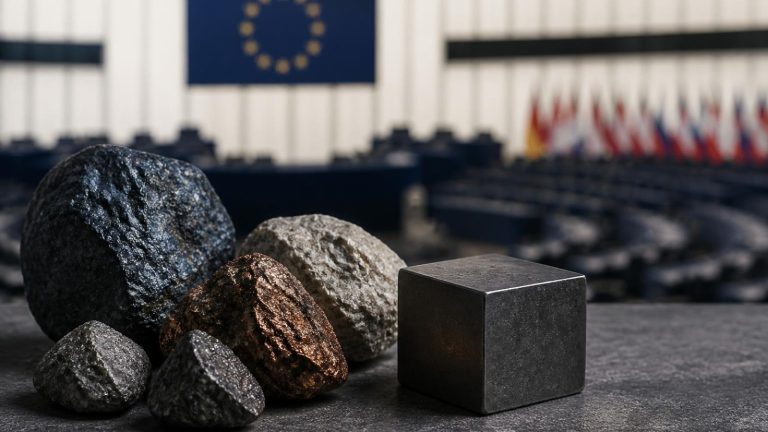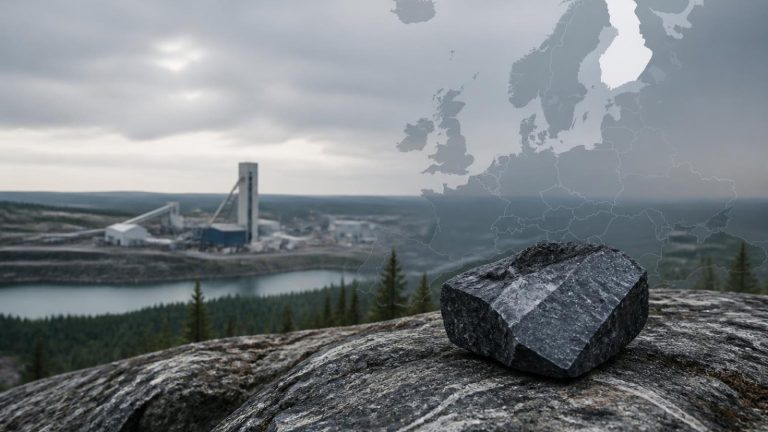
The surge in demand for raw materials is primarily propelled by Europe’s commitment to transitioning to a green economy, with a focus on achieving climate neutrality. This push towards sustainability has been further fueled by Russia’s conflict with Ukraine, prompting a rapid shift away from fossil fuels towards renewable energy sources.
The European Union (EU) established a methodology in 2010 to identify critical raw materials (CRMs), based on supply risk and economic importance. Materials are deemed critical if they face high supply risks and are economically significant. These CRMs, including lithium and rare earth elements (REE), play pivotal roles in various sectors, particularly in green and digital transitions.
Lithium, for instance, is indispensable for battery production, with demand projected to skyrocket in Europe and globally. Similarly, REE are vital for manufacturing electric motors, wind turbines, and energy-efficient lighting. However, the EU’s heavy reliance on a few supplier countries, notably China, poses significant supply chain vulnerabilities.
To address these challenges, the EU emphasizes material efficiency, substitution, and circularity. Circular economy strategies, such as recycling and promoting alternatives, are crucial for reducing import dependencies and ensuring a resilient supply chain for CRMs.