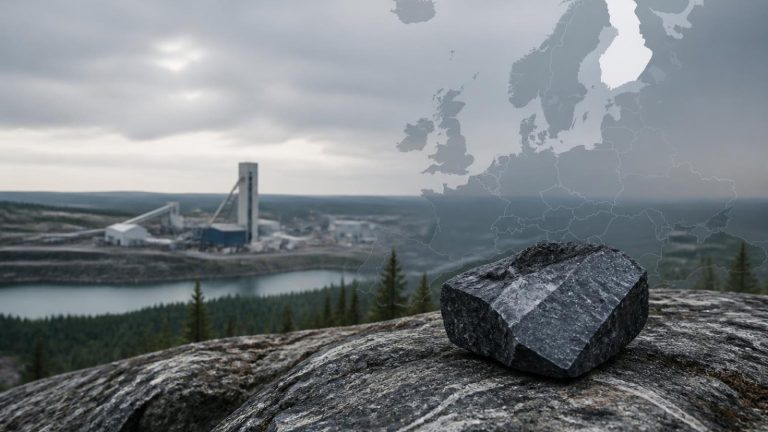
As Europe grapples with its critical materials bottleneck, the competition among primary, imported, and secondary material streams is intensifying. The European Union’s Critical Raw Materials Act (CRMA) sets ambitious targets for 2030, aiming for at least 10% domestic extraction, 40% processing, and 25% recycling of strategic raw materials. However, the act lacks a clear framework for allocating scarce industrial capacity and demand support across these competing streams.
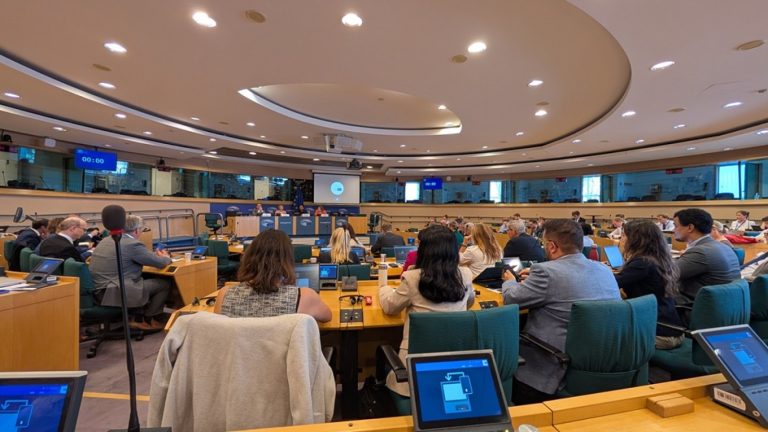
Recent discussions at the European Parliament highlighted the challenges of meeting these targets. Arthur Poliakov, Executive Chairman of MINEX, reported on a session where experts pointed out that recycled materials cannot yet meet Europe’s needs due to insufficient stock and collection rates. The energy transition, digital infrastructure, AI, and defence sectors are all vying for the same critical materials, raising the stakes for effective allocation.
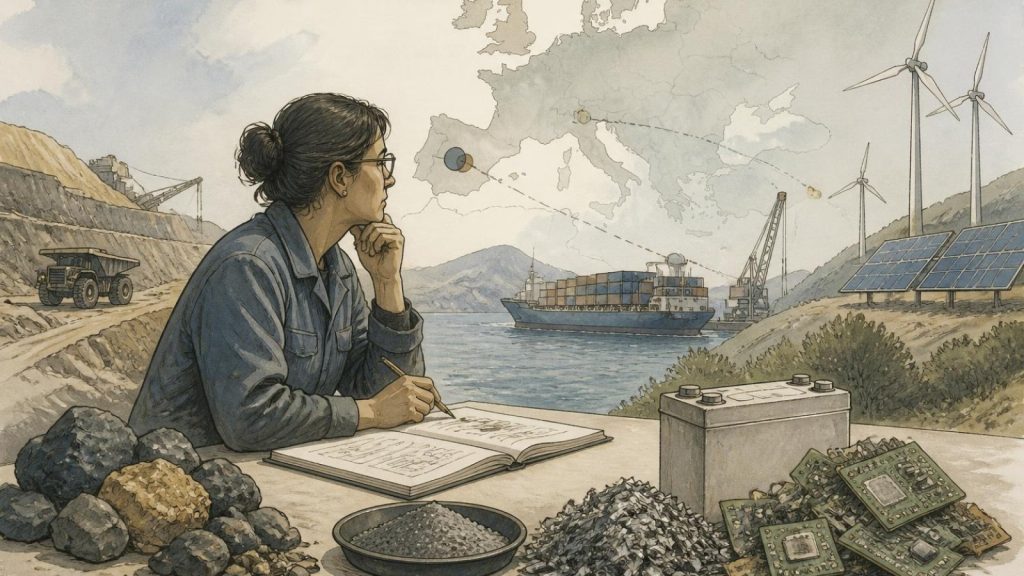
The current European critical materials system relies on three sources: domestically mined ore, imported primary materials, and secondary materials recovered from waste. These sources do not simply compete; they require different upstream processes but converge on limited refining and qualification capabilities, as well as a finite pool of qualified buyers. The allocation of resources is determined not by a central authority but through the collective decisions of policymakers, investors, processors, and buyers.
At a recent event, two companies illustrated the varying dynamics in this space. ACCUREC-Recycling GmbH, which focuses on recycling batteries, faces a lack of demand for its recovered materials, while Circular Materials successfully recovers strategic materials from industrial wastewater by offering treatment services that provide a steady revenue stream. This disparity underscores the need for a robust European market that can support both recycling and primary material extraction.
The complexities of material allocation are further compounded by the specific chemistry of battery production, which dictates the urgency of securing particular materials. For instance, the demand for lithium and other metals varies significantly depending on the type of battery being produced. This highlights the importance of a strategic approach to material allocation that considers both current and future industry needs.
As the European Commission evaluates applications for strategic projects, the balance between extraction, processing, recycling, and substitution will be crucial. A shift towards prioritising recycling and substitution in future project approvals could indicate a more deliberate approach to addressing the critical materials challenge. However, without a clear allocation logic, the risk of repeating past mistakes looms large, potentially stalling progress in securing Europe’s material needs for the future.