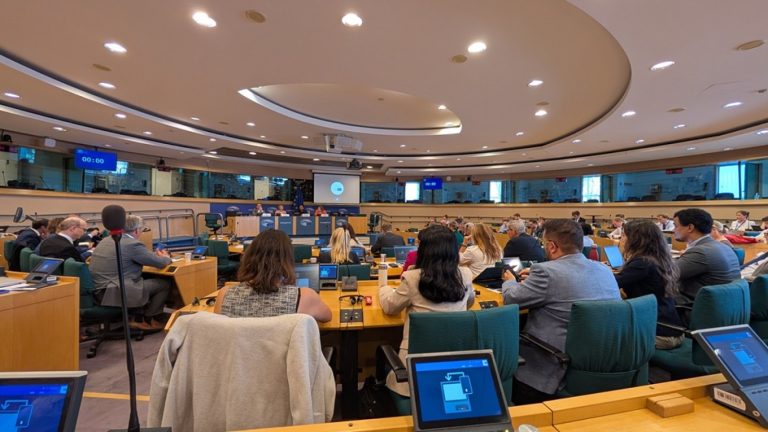
In a recent address to the European Parliament, a representative from the European Investment Bank (EIB) outlined key priorities aimed at transforming Europe’s critical raw materials ambitions into actionable projects and investments. The speech highlighted the pressing need for Europe to enhance its mineral potential, which, while significant, requires strategic planning and investment to create resilient supply chains.
The first priority discussed was the necessity for better strategic analysis. The EIB Group is in the process of developing a ‘Heat Map’ that will pinpoint areas where disruptions could have the most severe industrial consequences. This tool aims to identify which bottlenecks can realistically be addressed and where investments can yield the greatest impact, thereby streamlining the path from potential to reality.
The second priority emphasised the importance of more transparent markets. The establishment of an international critical raw materials market price index, grounded in reliable transaction data, could provide clearer price signals. This transparency is expected to reduce uncertainty and enhance the bankability of projects, making it easier for investors to commit to funding.
The third priority focused on the need for appropriate financing instruments. The EIB Group is committed to developing viable projects and facilitating investment; however, to support higher-risk initiatives—especially in their early stages—there is a pressing need for suitable mandates, equity, and risk-sharing instruments. Without these, promising projects may struggle to transition from concept to execution.
Additionally, the speech underscored the pivotal role of the European Critical Raw Materials Centre, which is being planned by the European Commission. This Centre aims to connect market intelligence, project monitoring, industrial demand, and financing, thereby helping Europe shift from merely identifying vulnerabilities to actively supporting the necessary projects to address them. With a team of 600 experts and a profound understanding of business cases and technologies, the EIB is positioned as a natural partner for this initiative.
While the speaker acknowledged that Europe would not be able to eliminate all external dependencies, they stressed the importance of understanding where these dependencies pose unacceptable risks. By investing strategically, Europe can enhance its position in the critical raw materials sector and contribute to greater economic security and competitiveness within the EU.