On 4 November 2026, Solvay announced the signing of a long-term supply agreement with Viridis Mining and Minerals, aimed at securing a strategic feedstock for its rare earth production in La Rochelle, France. This definitive agreement follows a Letter of Intent that was disclosed in June 2026 and is set to enhance and diversify Solvay’s access to critical supplies necessary for its operations. Shipments under this agreement are expected to commence in 2028.
The agreement, which has an initial term extending through 2034, stipulates that Viridis will provide a mixed rare earth feedstock sourced from its Colossus project in Brazil to Solvay’s facility in La Rochelle. Additionally, a separate agreement is anticipated, whereby Solvay will license technology and offer technical support to Viridis for producing upgraded, premium carbonate from the Colossus project, further supplying Solvay’s operations.
The feedstock is expected to include essential rare earth elements for permanent magnets, such as neodymium (Nd), praseodymium (Pr), dysprosium (Dy), and terbium (Tb), which are critical in meeting the rising global demand for these materials. Furthermore, it will also provide a significant distribution of additional heavy rare earths, including samarium (Sm), gadolinium (Gd), and yttrium (Y). The minimum committed volumes for the magnetic rare earths represent approximately 70% of the anticipated production capacity of the Colossus project during the initial term, with Solvay retaining the right of first offer on the remaining production.
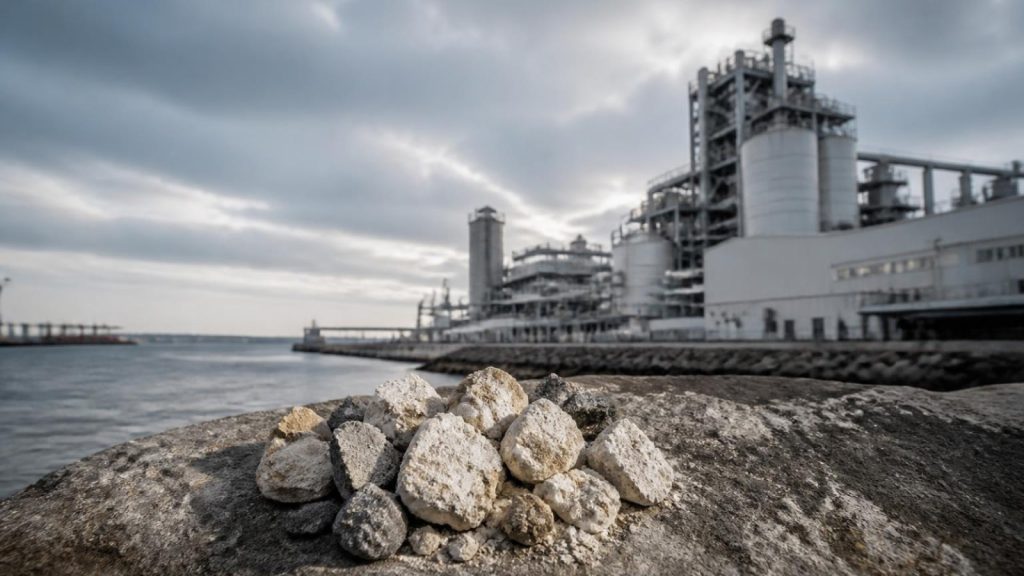
Solvay’s La Rochelle site is recognised as one of the largest rare earth separation and purification facilities outside of China, capable of processing a comprehensive range of rare earth elements at an industrial scale. The company plans to leverage its expertise in separation, purification, and product development to convert the raw materials into high-purity rare earth oxides and formulations that are vital for permanent magnets and various strategic applications, including electric mobility, renewable energy, advanced electronics, and medical technologies.
The significance of this agreement lies in the critical role rare earths play in modern technology, particularly in electric vehicles, renewable energy systems, advanced electronics, and defence applications. Despite China’s dominance in the global supply chain for these materials, the need for alternative sources is becoming increasingly urgent. This partnership exemplifies the importance of having not only access to raw materials but also the technical know-how and processing capabilities to transform them into usable products for manufacturers.
Moreover, the inclusion of price protections within the agreement underscores the project’s commercial viability, highlighting that securing alternative supply chains involves more than just establishing new facilities; it requires ensuring long-term commercial sense. As governments worldwide intensify their focus on securing critical materials, it is likely that more collaborations of this nature will emerge, showcasing the pivotal role that specialty chemicals companies like Solvay play in sectors beyond their immediate industry.