In a significant move to bolster the European Union’s supply chains and reduce dependency on single suppliers, the European Commission has announced the selection of 46 new Strategic Projects across 16 Member States. This initiative is part of the EU’s broader strategy outlined in the Critical Raw Materials Act (CRMA), which aims to ensure that by 2030, the EU will meet at least 10% of its annual consumption for extraction, 40% for processing, and 25% for recycling of strategic raw materials. This effort is designed to enhance competitiveness, develop resilience, and diversify sources of critical raw materials.
The selected projects span a range of locations including Belgium, Bulgaria, Estonia, Finland, France, Germany, Greece, Italy, Lithuania, the Netherlands, Poland, Portugal, Romania, Slovakia, Spain, and Sweden. These projects were chosen from a total of 102 applications received in a recent call for applications, demonstrating a robust interest in advancing the EU’s raw materials agenda.
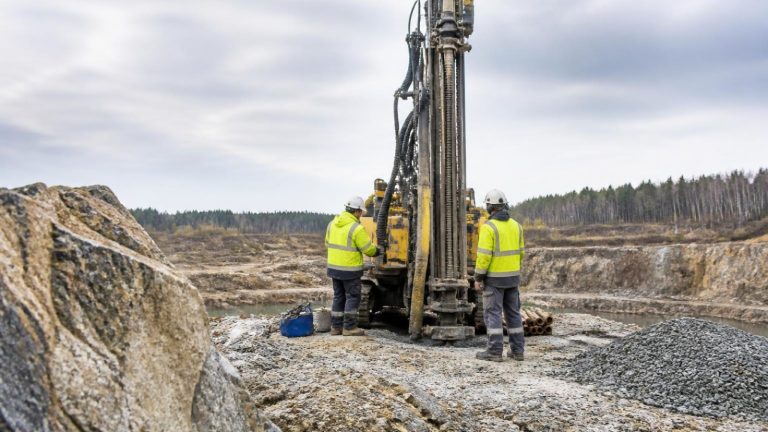
The projects encompass various stages of the raw materials value chain, with eight focused on extraction, 11 on processing, and 19 on recycling. Additionally, there are eight integrated projects that combine extraction and processing, as well as processing and recycling, thereby supporting the EU’s integrated value chain approach. Notably, these projects cover 15 of the 17 strategic raw materials identified under the CRMA.
Key areas of focus include the strengthening of European value chains in batteries, defence, aerospace, and permanent magnets. The projects include seven initiatives on lithium, 12 on nickel, 10 on cobalt, five on manganese, and four on graphite, all of which are critical for the EU’s battery value chain. Furthermore, projects on magnesium and tungsten will contribute to the defence and aerospace sectors, while those on rare earth elements will bolster the permanent magnet value chain.
The 46 newly selected projects, alongside the previously identified 47 Strategic Projects within the EU and 13 in third countries, are expected to significantly contribute to the EU’s targets for derisking and diversifying its critical raw materials supply. They are projected to fully meet the extraction benchmarks for lithium, nickel, rare earth elements, magnesium, and tungsten, as well as processing benchmarks for lithium and rare earth elements. Additionally, they could cover 89% of the processing benchmark for cobalt and substantial portions for tungsten and magnesium, while fully achieving recycling benchmarks for lithium, cobalt, and rare earth elements.
Progress is already being made with the first list of strategic projects, with 25 having completed their environmental impact assessments and 17 obtaining construction permits. The EU has mobilised over €2 billion in financial support through various funding mechanisms to accelerate these initiatives. The Raw Materials Mechanism has also facilitated over 30 matches for potential offtakers, further enhancing the viability of these projects.
The CRMA, which came into force on 23 May 2024, establishes measures to strengthen the EU’s capacity along critical raw materials value chains and diversify supply sources. The Commission plans to announce a new call for Strategic Project applications towards the end of 2026, continuing its commitment to securing a stable and sustainable supply of critical raw materials for the future.