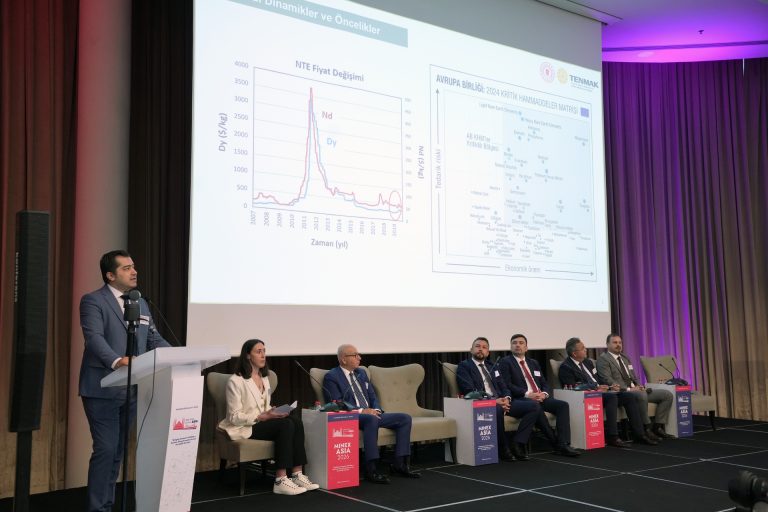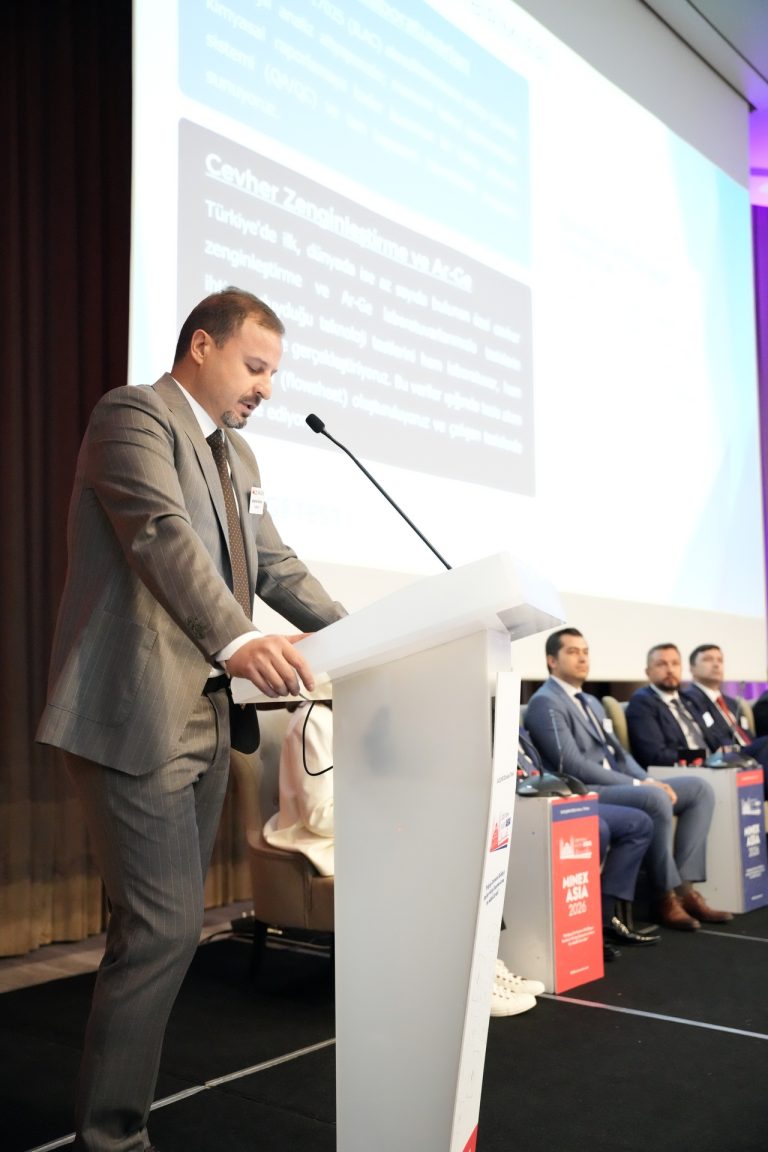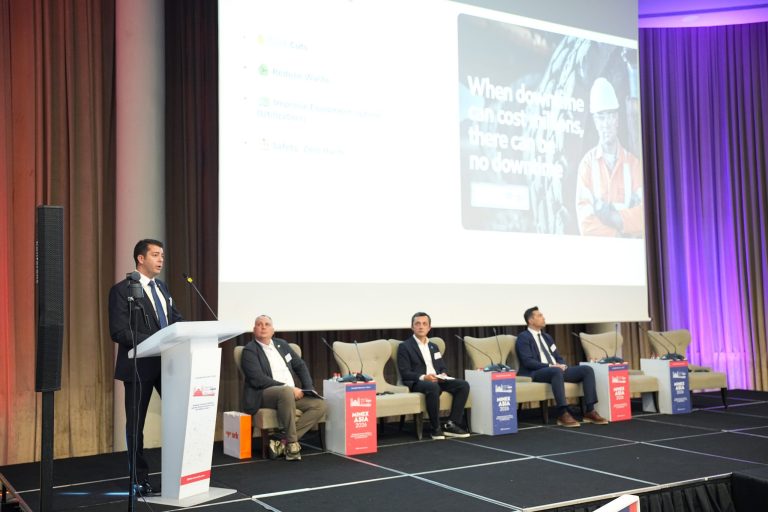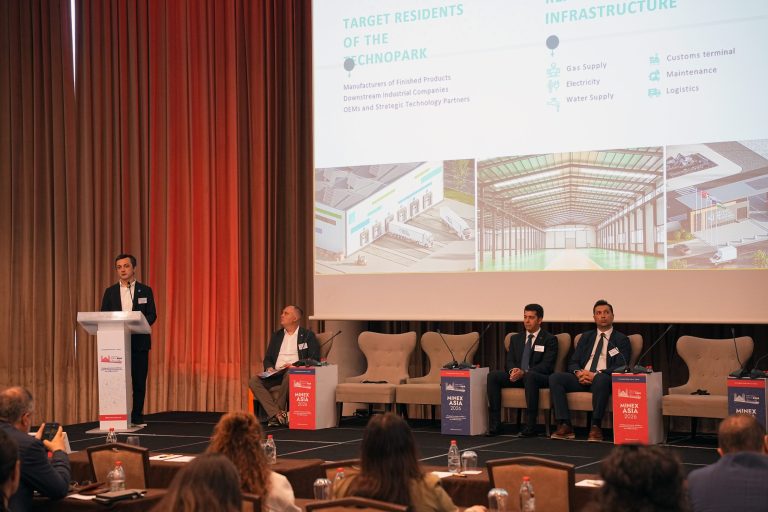
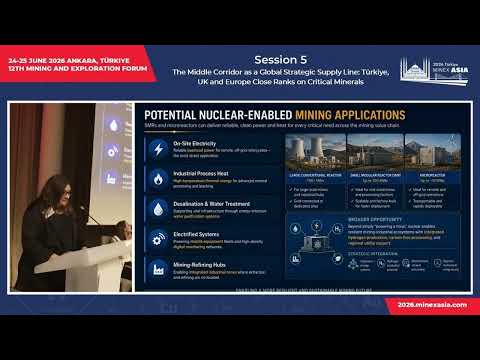
In a recent presentation, Dr. Kantarcıoğlu, a competence development manager at the Secretariat of Defense Industries and a member of the Nuclear Engineers Society, highlighted the growing interconnection between the nuclear technology and mining sectors. With a background in nuclear engineering, she expressed her surprise at the insights gained from previous speakers and framed her talk as an effort to foster collaboration between these two industries. She posited that critical minerals have transcended their traditional mining context, becoming pivotal to energy security, industrial competitiveness, and technological independence.
Dr. Kantarcıoğlu emphasised the potential for cooperation among Turkey, the UK, Europe, and Central Asian countries, suggesting that the conversation should extend beyond mere raw material supply to encompass technology and energy infrastructure. She advocated for the evolution of the Middle Corridor, traditionally viewed as a transport route, into a strategic supply line that integrates mineral resources with processing capabilities and global markets. Turkey’s geographical advantages, including its ports and industrial zones, position it as a key player in this emerging corridor.
The urgency of this positioning is underscored by the rising global demand for critical minerals such as lithium, nickel, and rare earth elements, which are essential for future energy systems and advanced technologies. Dr. Kantarcıoğlu argued that Europe requires a secure and diversified critical mineral supply chain, while Turkey has the opportunity to leverage its resources and industrial capacity to meet this demand. She called for a shift from simple raw material trading to joint investments in processing and technology development.
A significant aspect of her argument was the role of nuclear technology in the mining sector. She noted that nuclear technology is not only reliant on secure mineral supplies but also actively supports mining operations through various applications. These include exploration analysis, process control, and safety monitoring, with nuclear energy offering a low-carbon power alternative for mining operations, particularly in remote locations that currently depend on costly diesel fuel.
Dr. Kantarcıoğlu highlighted the potential of small modular reactors (SMRs) and micro reactors to meet the diverse energy needs of mining operations, suggesting that these technologies could provide reliable, long-term energy solutions tailored to specific site requirements. She pointed out that many remote mines face logistical challenges with conventional fuel supplies, making nuclear energy an attractive option.
Despite the promising prospects, she acknowledged the practical barriers to deploying advanced nuclear technology in mining, including regulatory frameworks, financing, and workforce capacity. However, she argued that a symbiotic relationship could develop, where mining supplies uranium and other critical minerals needed for nuclear systems, while nuclear energy enhances the efficiency of mineral extraction.
In closing, Dr. Kantarcıoğlu tied her insights back to Turkey’s national context, noting the country’s ambitions to expand its nuclear energy capacity and develop local expertise. She stressed the importance of building coordinated national competencies in the nuclear sector to realise the potential benefits of this convergence. Ultimately, she concluded that the future of the nuclear and mining sectors is intertwined, and Turkey’s strategic positioning could enable it to become a vital industrial anchor in the region, moving beyond its role as merely a transit country.